If you’re trying to add more protein to your meals, meat, eggs, dairy, beans, and lentils may be the first foods that come to mind. But what vegetables are high in protein? While vegetables generally aren’t as protein-dense as those foods, many contribute a useful amount of plant-based protein while also providing fiber, vitamins, minerals, and other nutrients.
If you like informative posts like this, then have a look at our How To Cook section.
Do Vegetables Have Protein?
Yes, vegetables contain protein, although the amount varies considerably. Some of these may surprise you.
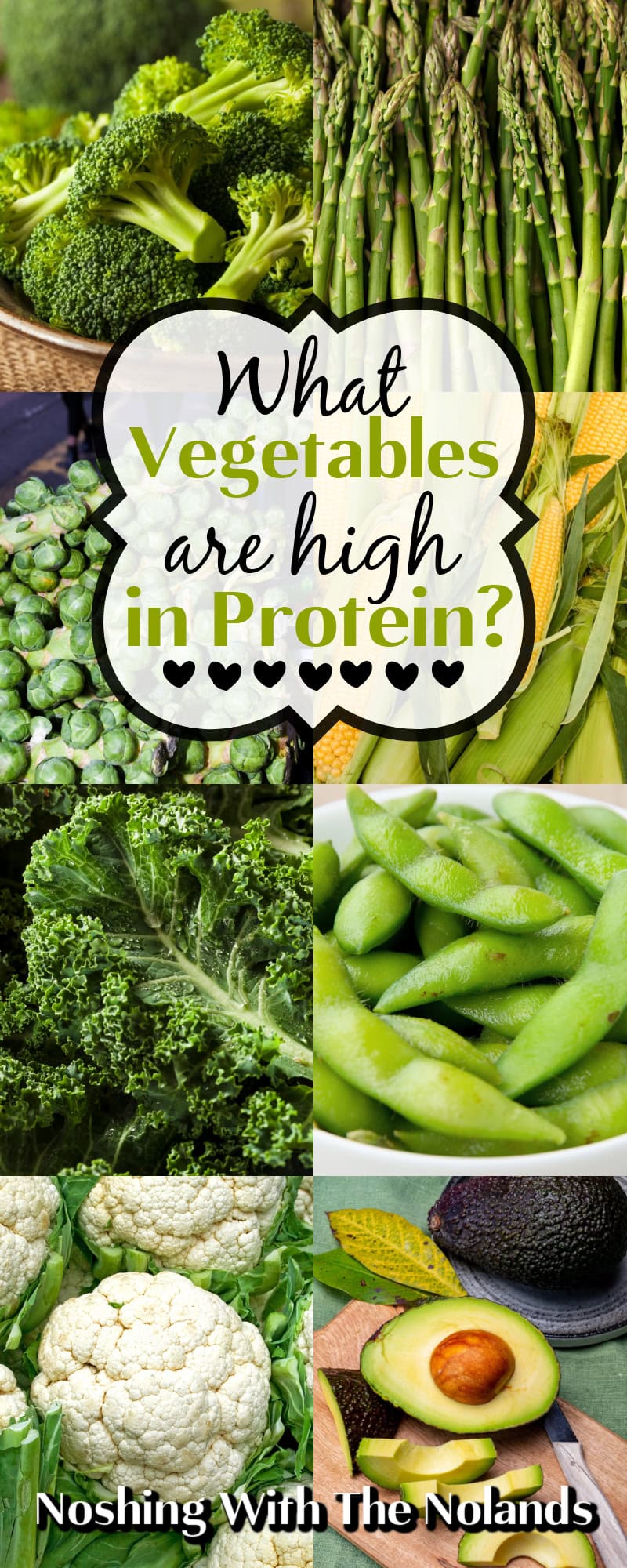
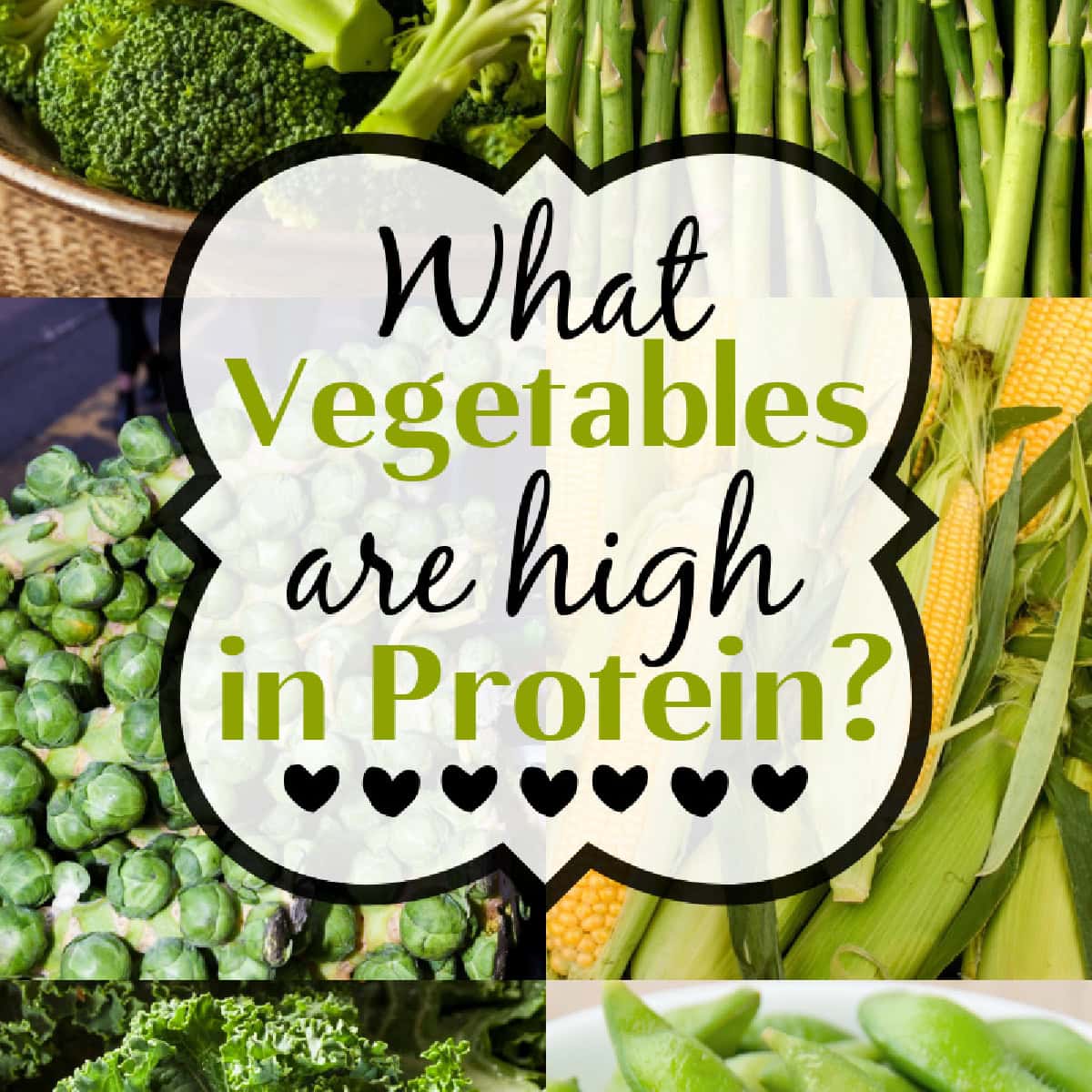
Some of the highest-protein vegetables include green peas, edamame, spinach, Brussels sprouts, asparagus, broccoli, artichokes, corn, mushrooms, and potatoes. Adding a variety of these vegetables to meals can help increase your overall protein intake while making your plate more colorful and nutritious.
Vegetables aren’t usually considered a primary protein source because most provide less protein per serving than foods such as meat, fish, eggs, dairy products, beans, lentils, tofu, and other soy foods.
However, vegetables can still contribute to your daily protein intake. Their protein adds up when you eat a varied diet throughout the day.
Vegetables also provide other important nutrients, including fiber, vitamins, minerals, and beneficial plant compounds.
What Vegetables Are Highest in Protein?
Protein content depends on the vegetable and whether you’re comparing it by weight, calories, or typical serving size. Cooking can also change the amount per cup because vegetables shrink or absorb water.
Here are some vegetables and vegetable-like foods that can help add protein to your meals. Amounts are approximate and can vary depending on variety and preparation.
To compare meats like chicken, turkey, pork, beef have about 30-43 g of protein depending on being cooked or raw and in what form, like steak, cubed or ground. But this give you an idea to compare.
| Vegetable | Approximate Protein |
|---|---|
| Edamame, cooked | 18 g per cup |
| Green peas, cooked | 8–9 g per cup |
| Spinach, cooked | 5 g per cup |
| Artichoke, cooked | 4–5 g per medium artichoke |
| Brussels sprouts, cooked | 4 g per cup |
| Corn, cooked | 4–5 g per cup |
| Asparagus, cooked | 4 g per cup |
| Broccoli, cooked | 3–4 g per cup |
| Mushrooms, cooked | 3–4 g per cup |
| Potato, baked with skin | 3–4 g per medium potato |
| Sweet potato, baked | 2–3 g per medium potato |
| Cauliflower, cooked | about 2 g per cup |
| Kale, cooked | about 3 g per cup |
| Green beans, cooked | about 2 g per cup |
| Avocado | about 3 g per avocado |
Note: Edamame and green peas are botanically legumes, although they’re commonly grouped with vegetables in everyday cooking. Corn is botanically a grain when mature but is commonly eaten as a vegetable when harvested young. Mushrooms are also not technically a vegetable but are from the fungi group.
1. Edamame
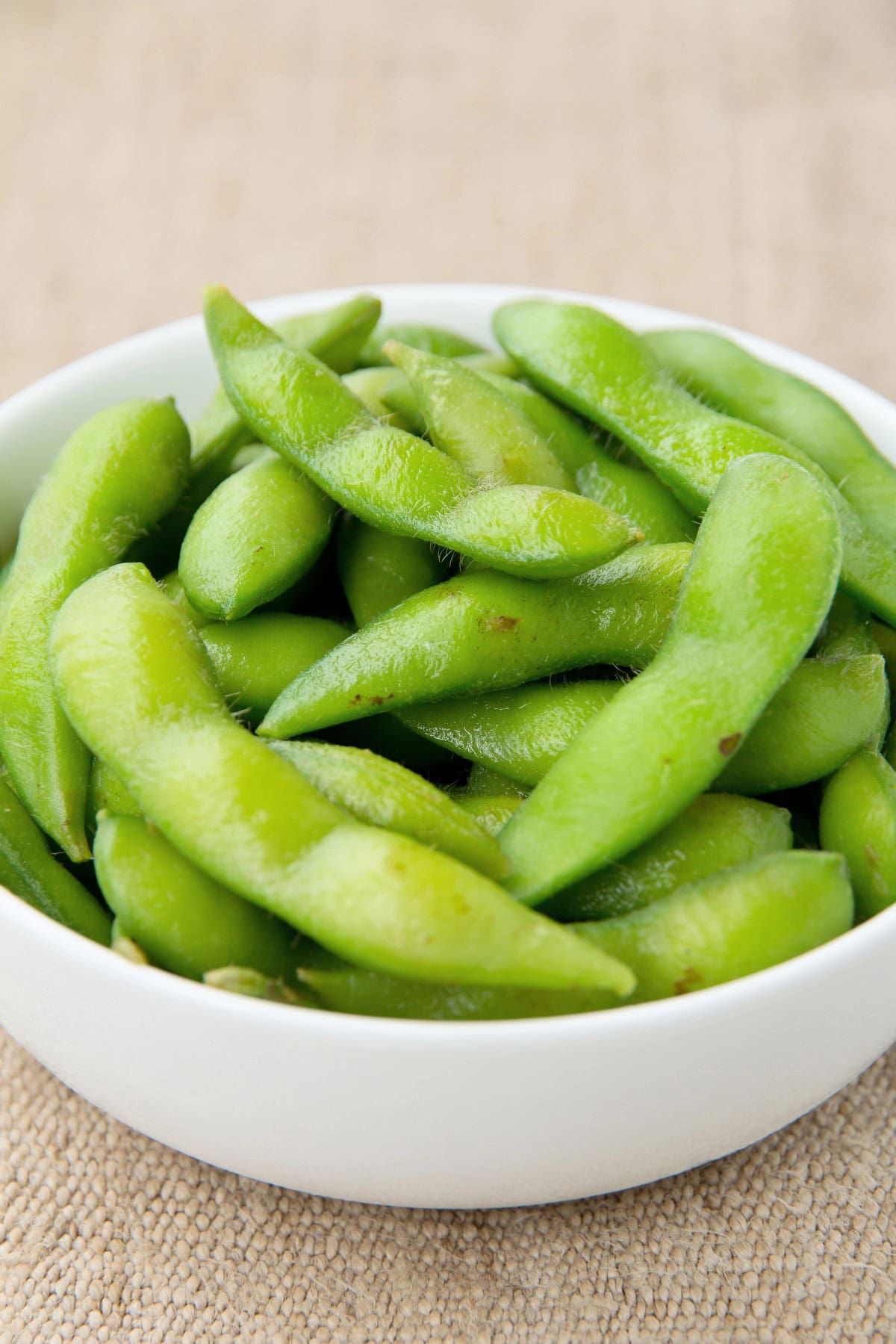
Edamame stands out as one of the richest plant-based protein choices commonly served alongside vegetables.
A cup of cooked edamame provides roughly 18 grams of protein, making it considerably higher in protein than most vegetables.
Edamame is also incredibly versatile. Eat the beans as a snack or add shelled edamame to salads, noodle bowls, rice bowls, stir-fries, soups, and grain bowls.
Because edamame is a young soybean, it’s technically a legume rather than a botanical vegetable.
2. Green Peas
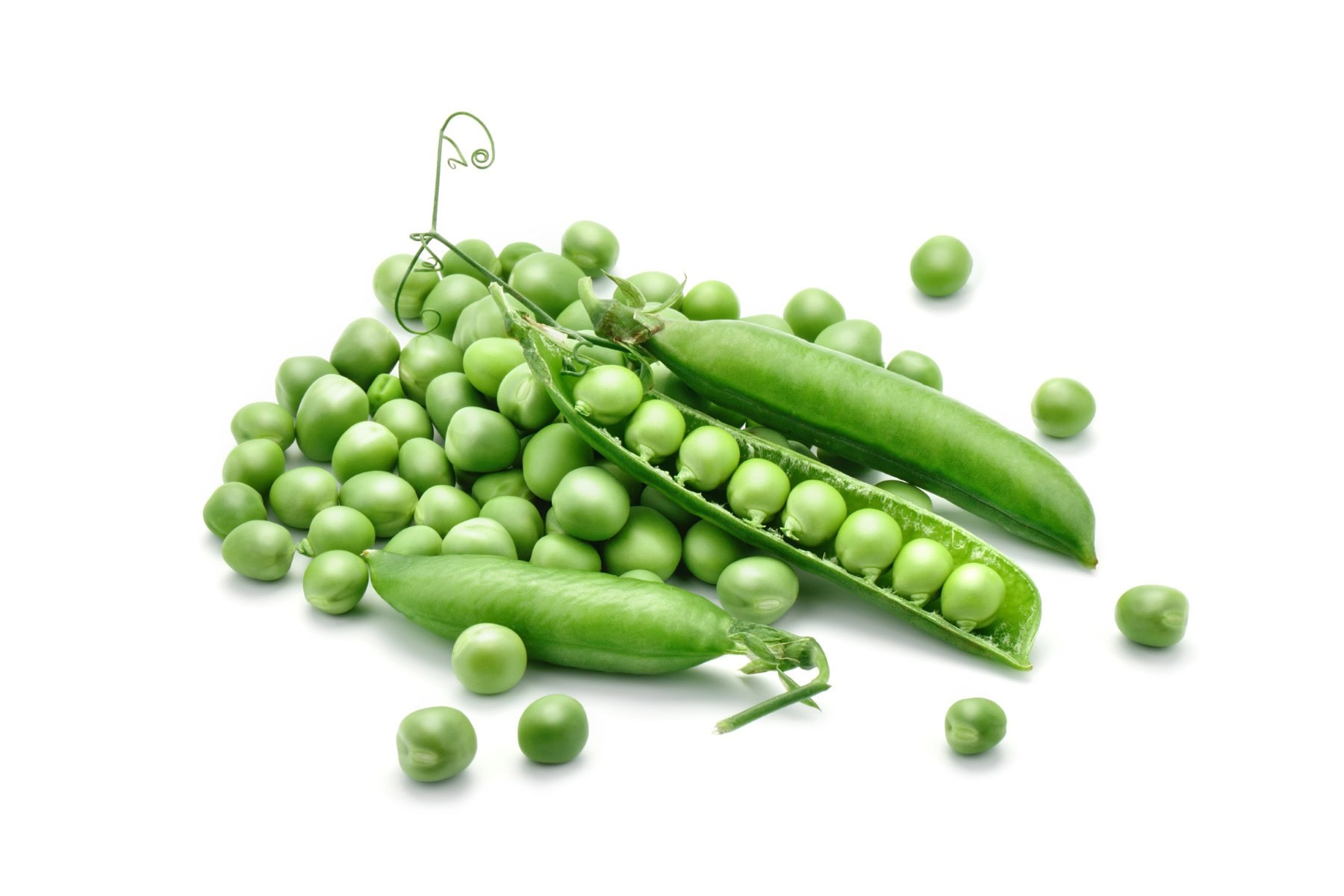
Green peas are another excellent option when you want to increase the protein content of a meal.
One cup of cooked green peas contains approximately 8–9 grams of protein.
Their naturally sweet flavor makes them easy to incorporate into pasta, soups, casseroles, salads, risotto, fried rice, and side dishes.
Like edamame, peas belong to the legume family, although they’re commonly treated as vegetables in the kitchen.
3. Spinach
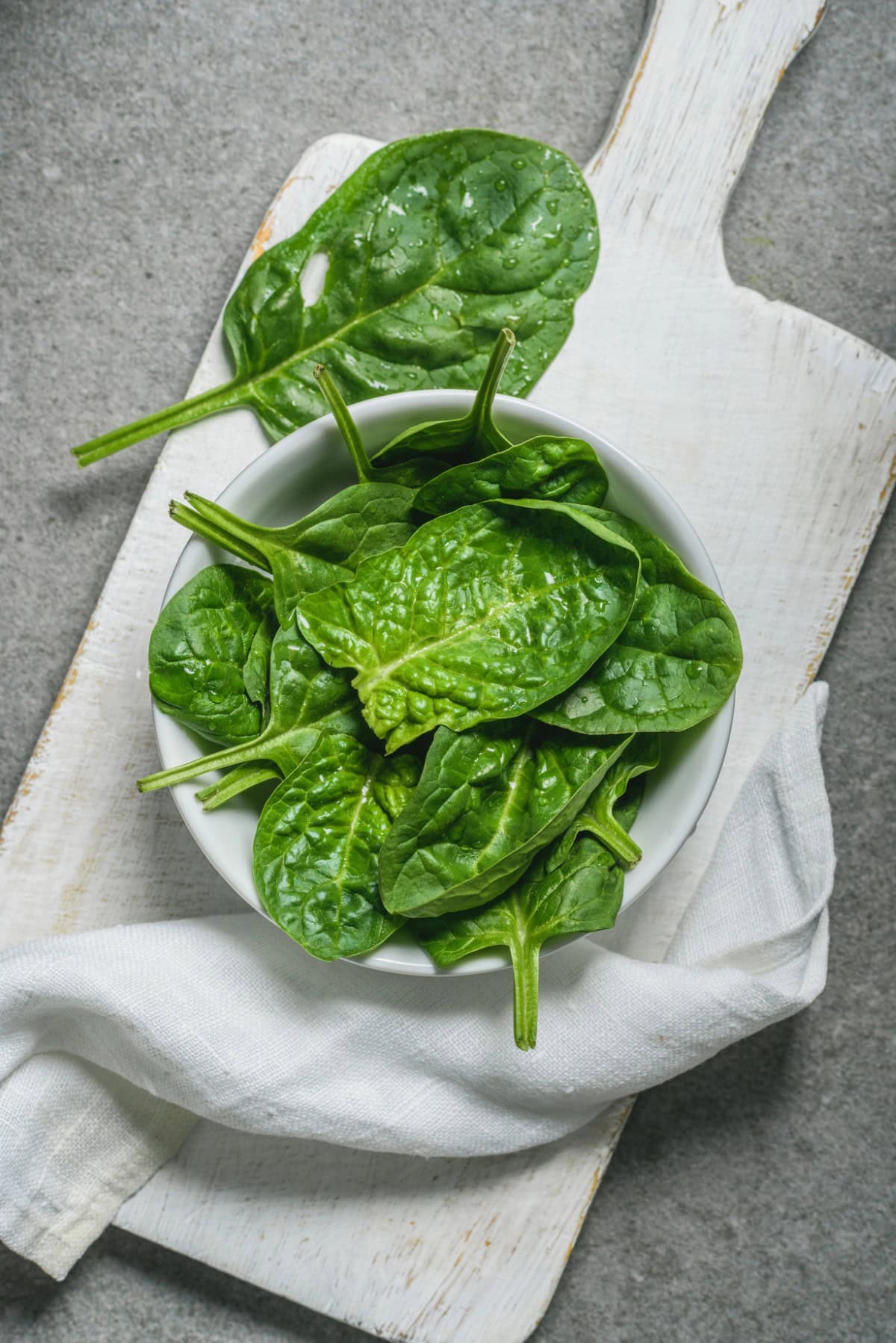
Spinach may be better known for its vitamins and minerals, but it also contributes protein.
A cup of cooked spinach provides roughly 5 grams of protein.
Raw spinach contains much less protein per cup simply because a cup of raw leaves weighs considerably less than a cup of cooked spinach.
Add spinach to omelets, pasta, soups, casseroles, curries, smoothies, or sauté it with garlic for an easy side dish.
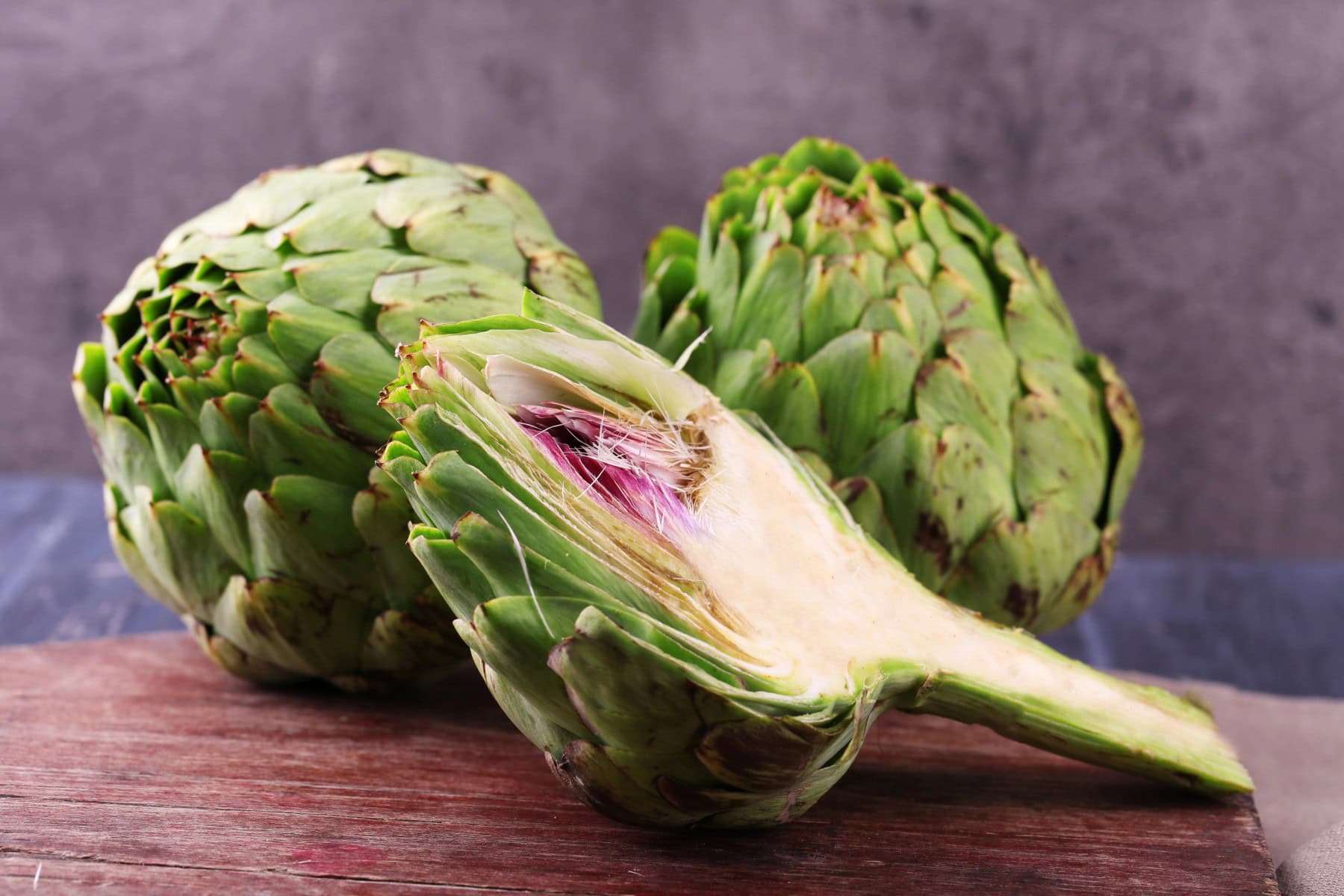
4. Artichokes
Artichokes are a surprisingly good source of plant-based protein for a vegetable.
A medium cooked artichoke can provide approximately 4–5 grams of protein.
Steam or roast whole artichokes, or use artichoke hearts in salads, pasta dishes, dips, casseroles, pizza, and grain bowls.
They’re also a good choice when you want a vegetable that’s both filling and high in fiber.
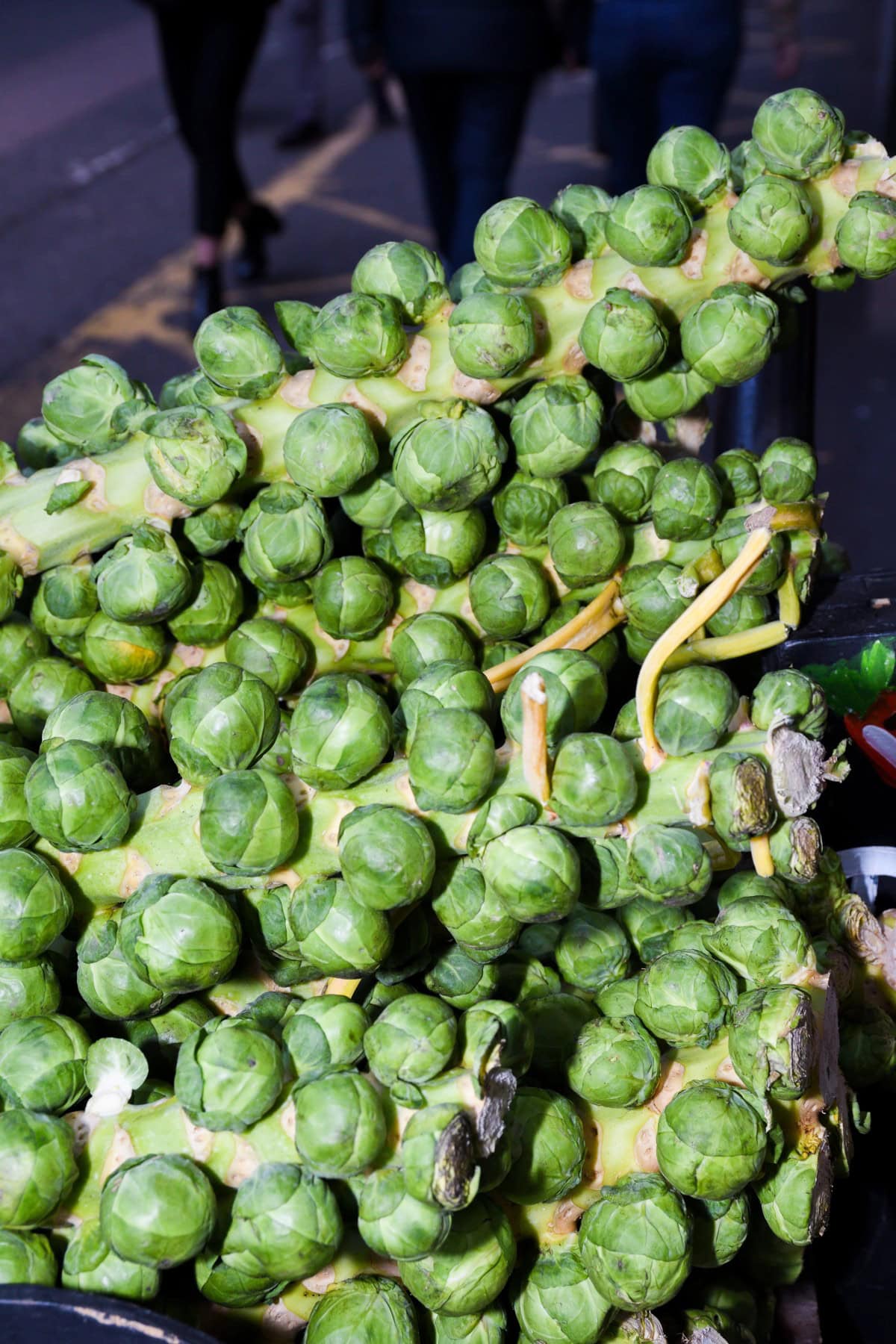
5. Brussels Sprouts
One cup of cooked Brussels sprouts contains approximately 4 grams of protein.
Roasting is one of the easiest ways to make them especially delicious. High heat caramelizes their edges while keeping the centers tender. The stalk is actually edible but only the inner stalk is good as the outer is quite woodsy.
Try roasted Brussels sprouts with Parmesan, balsamic vinegar, garlic, bacon, nuts, or a drizzle of maple syrup.
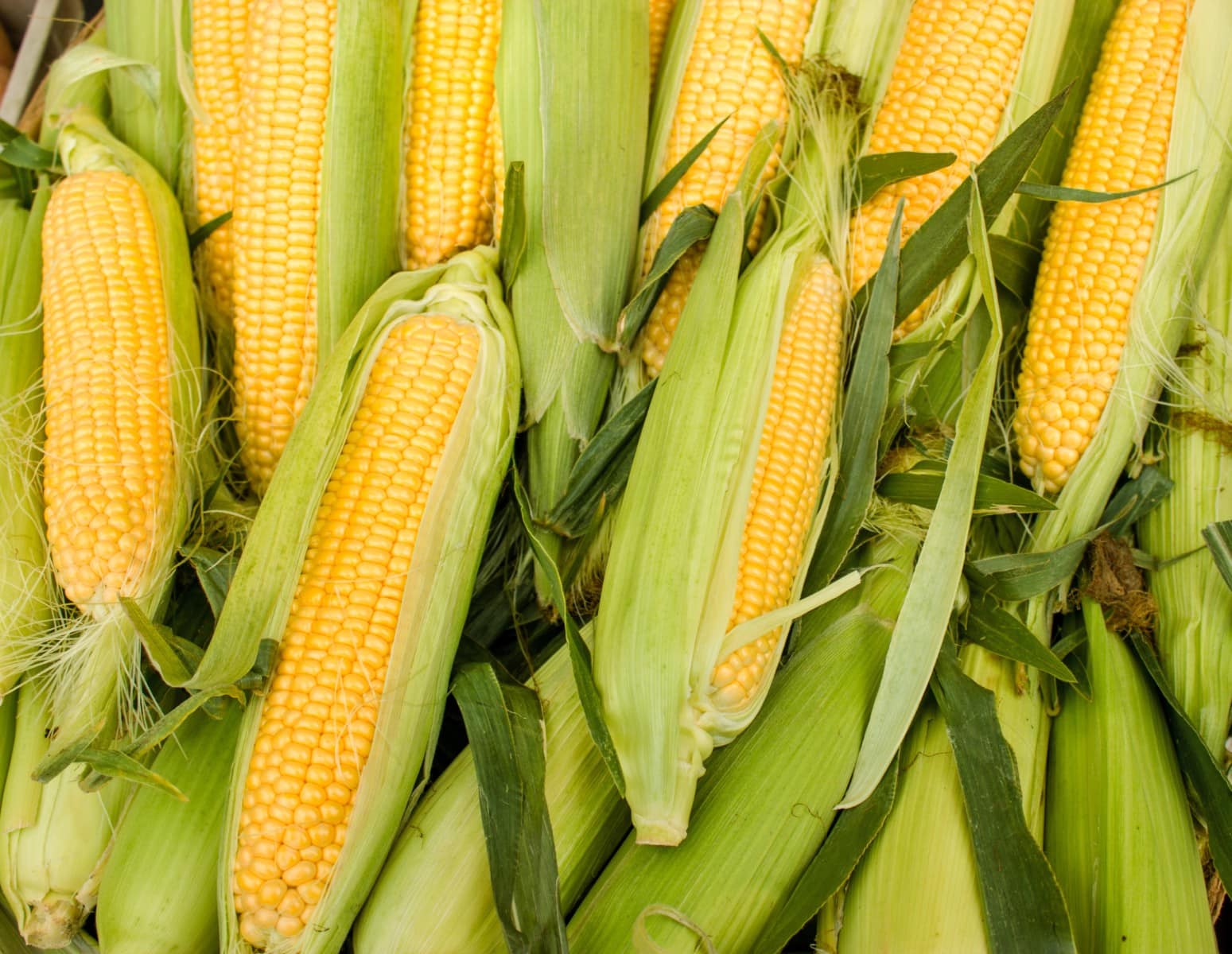
6. Corn
Corn provides approximately 4–5 grams of protein per cooked cup, depending on the variety and preparation.
Fresh corn is delicious grilled, boiled, or roasted, while frozen corn makes an easy year-round addition to soups, chowders, casseroles, salads, tacos, and salsa.
Corn also pairs particularly well with beans. Combining the two makes an easy foundation for a satisfying plant-forward meal.
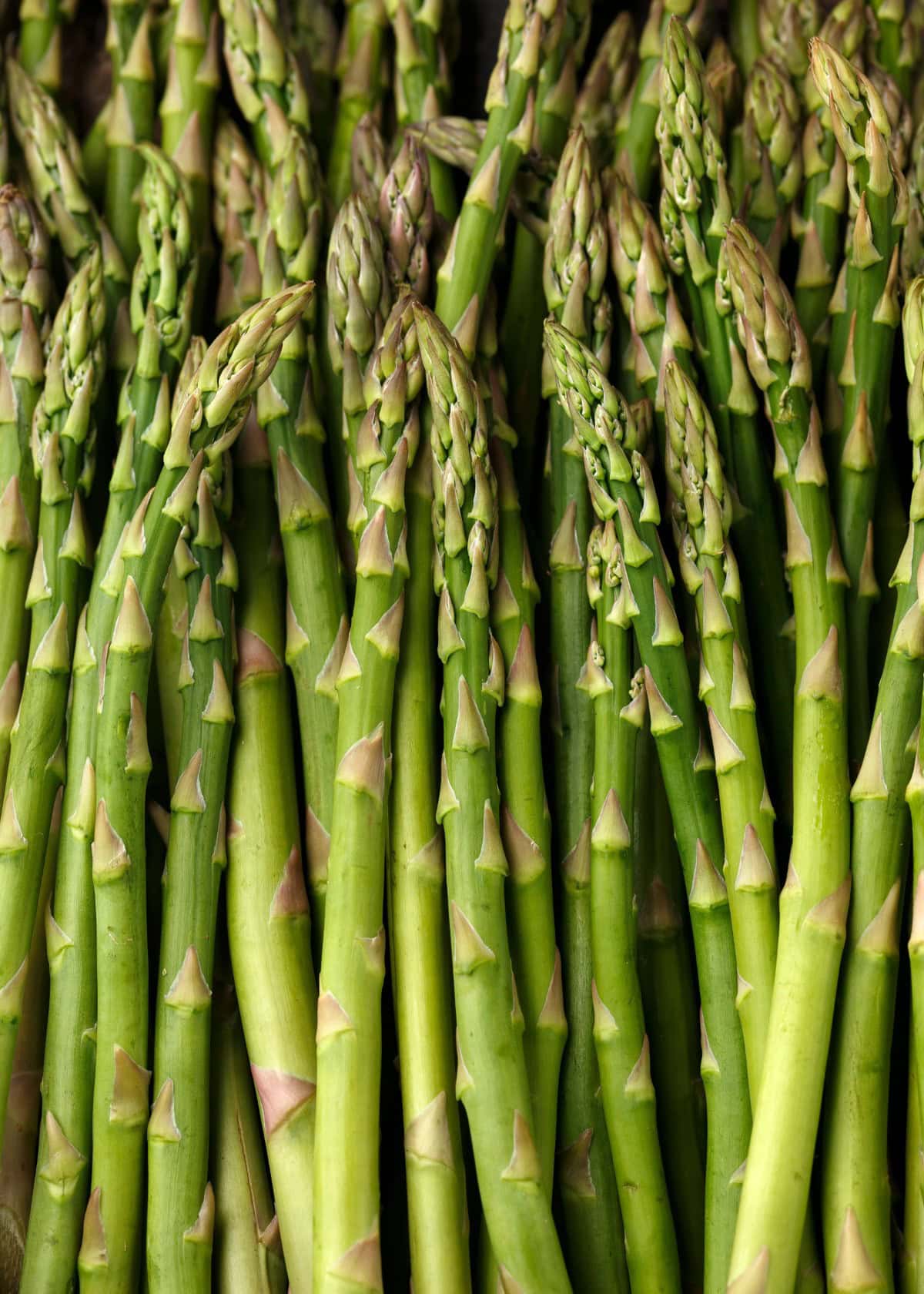
7. Asparagus
Cooked asparagus provides around 4 grams of protein per cup.
It’s also easy to prepare by roasting, grilling, steaming, or sautéing.
Serve asparagus alongside eggs for breakfast or brunch, toss it into pasta, add it to frittatas and salads, or simply roast it with olive oil and seasonings.
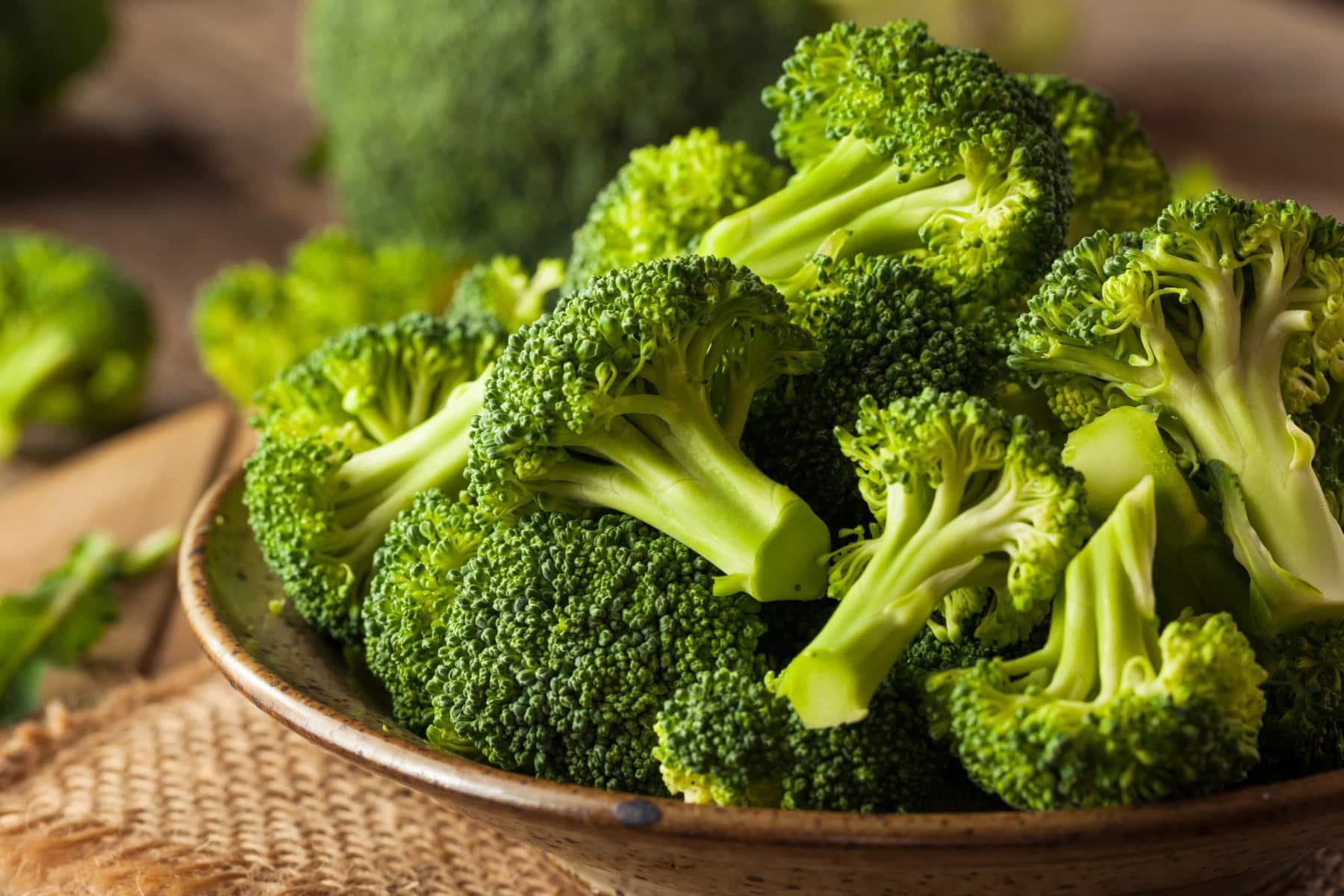
8. Broccoli
Broccoli provides approximately 3–4 grams of protein per cooked cup.
It’s one of the easiest high-protein vegetables to incorporate into everyday meals because it works in so many different dishes.
Roast broccoli until its edges become crispy, steam it for an easy side, or add it to casseroles, stir-fries, soups, pasta, grain bowls, and salads.
Pair broccoli with cheese, eggs, chicken, tofu, beans, or quinoa when you want to make the entire meal higher in protein.
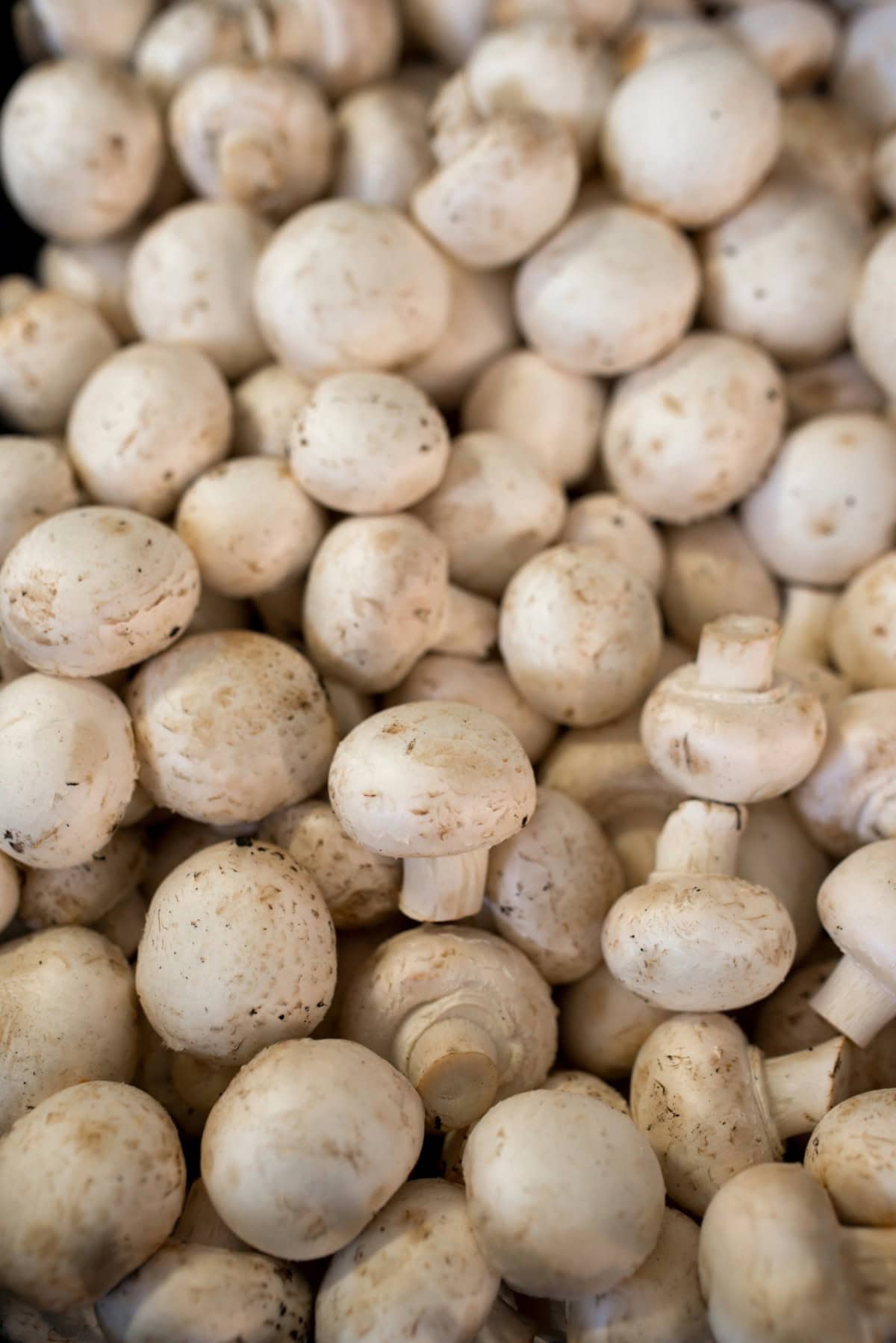
9. Mushrooms
A cup of cooked mushrooms can provide roughly 3–4 grams of protein, depending on the variety.
Mushrooms are particularly useful in plant-forward meals because their savory flavor and substantial texture make dishes feel hearty. Mushrooms are actually not a vegetable but they are treated like one, they are from the fungi family.
Sauté them for omelets and toast, add them to pasta and pizza, or use them in soups, casseroles, burgers, and stir-fries.
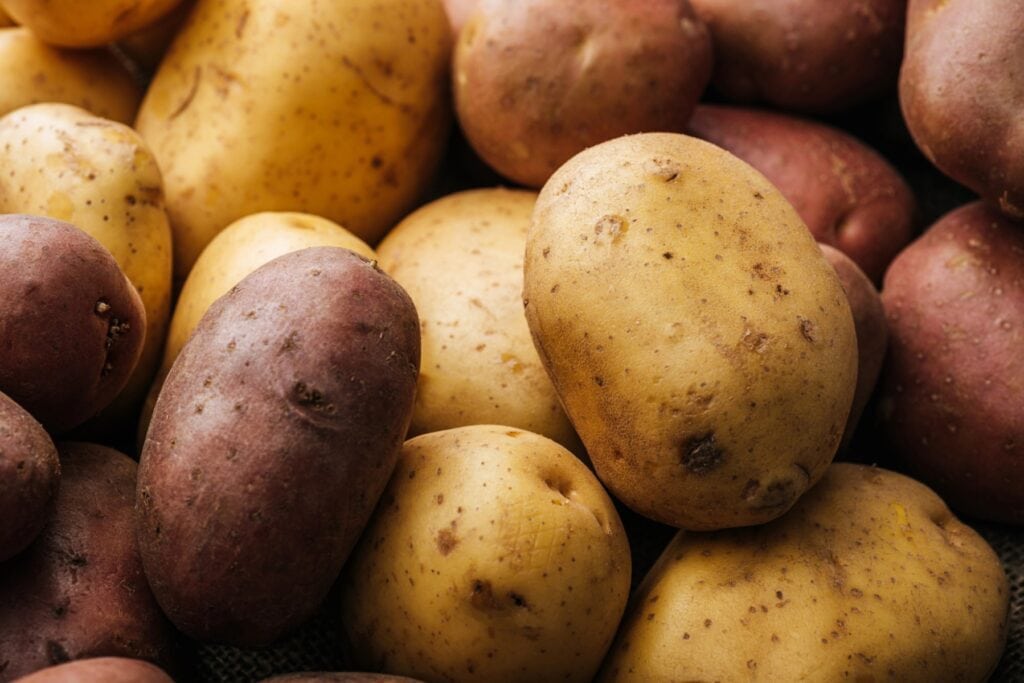
10. Potatoes
Potatoes don’t usually come to mind when talking about protein, but they do contribute some.
A medium baked potato with its skin can provide approximately 3–4 grams of protein, depending on its size.
Turn a baked potato into a higher-protein meal by topping it with Greek yogurt, cottage cheese, beans, chili, shredded cheese, or leftover chicken.
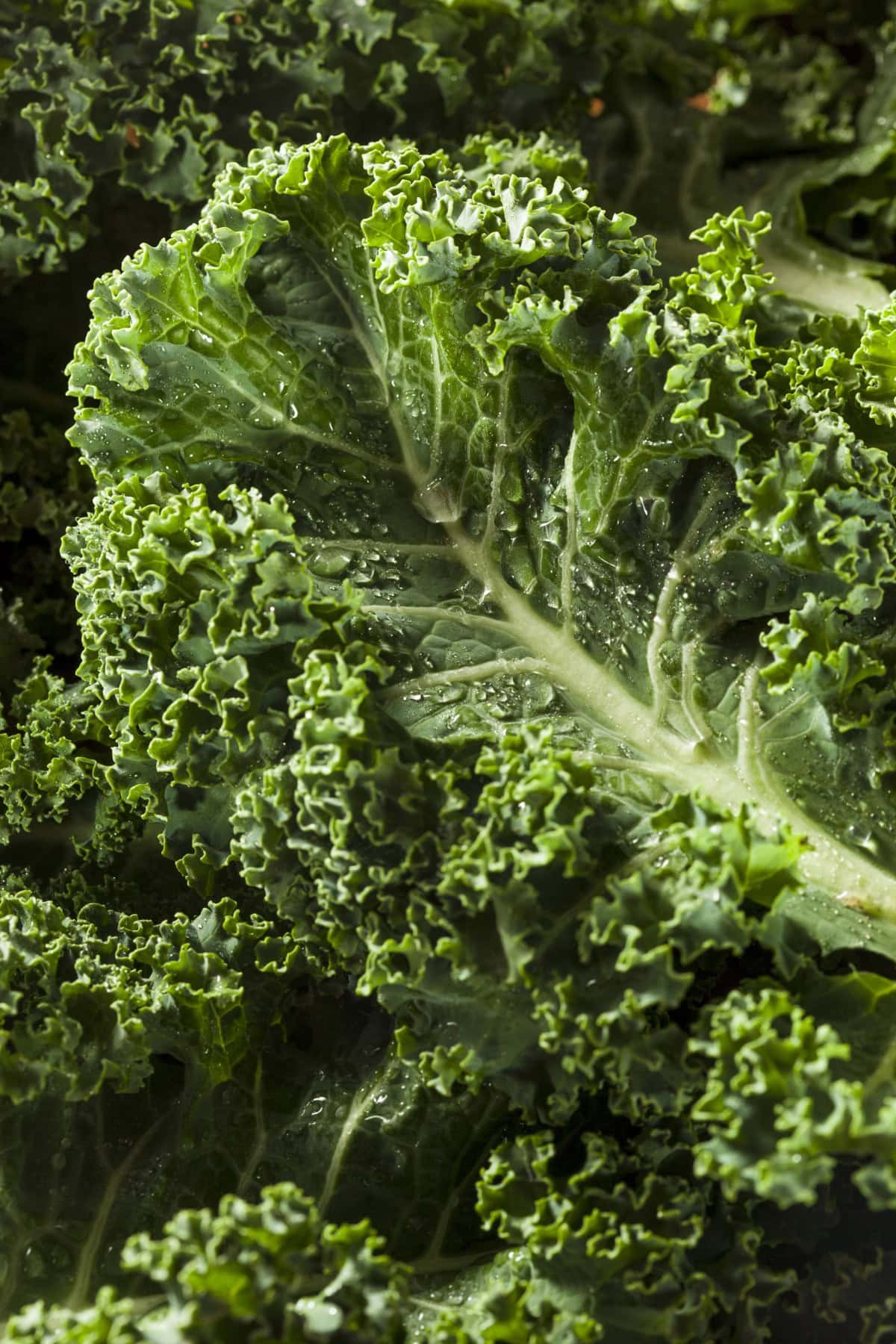
11. Kale
Cooked kale contains approximately 3 grams of protein per cup.
Like spinach, kale cooks down substantially, so a cup of cooked greens represents considerably more leafy vegetables than a cup of raw greens.
Add kale to soups, pasta, casseroles, egg dishes, grain bowls, and stir-fries, or massage raw kale for hearty salads.
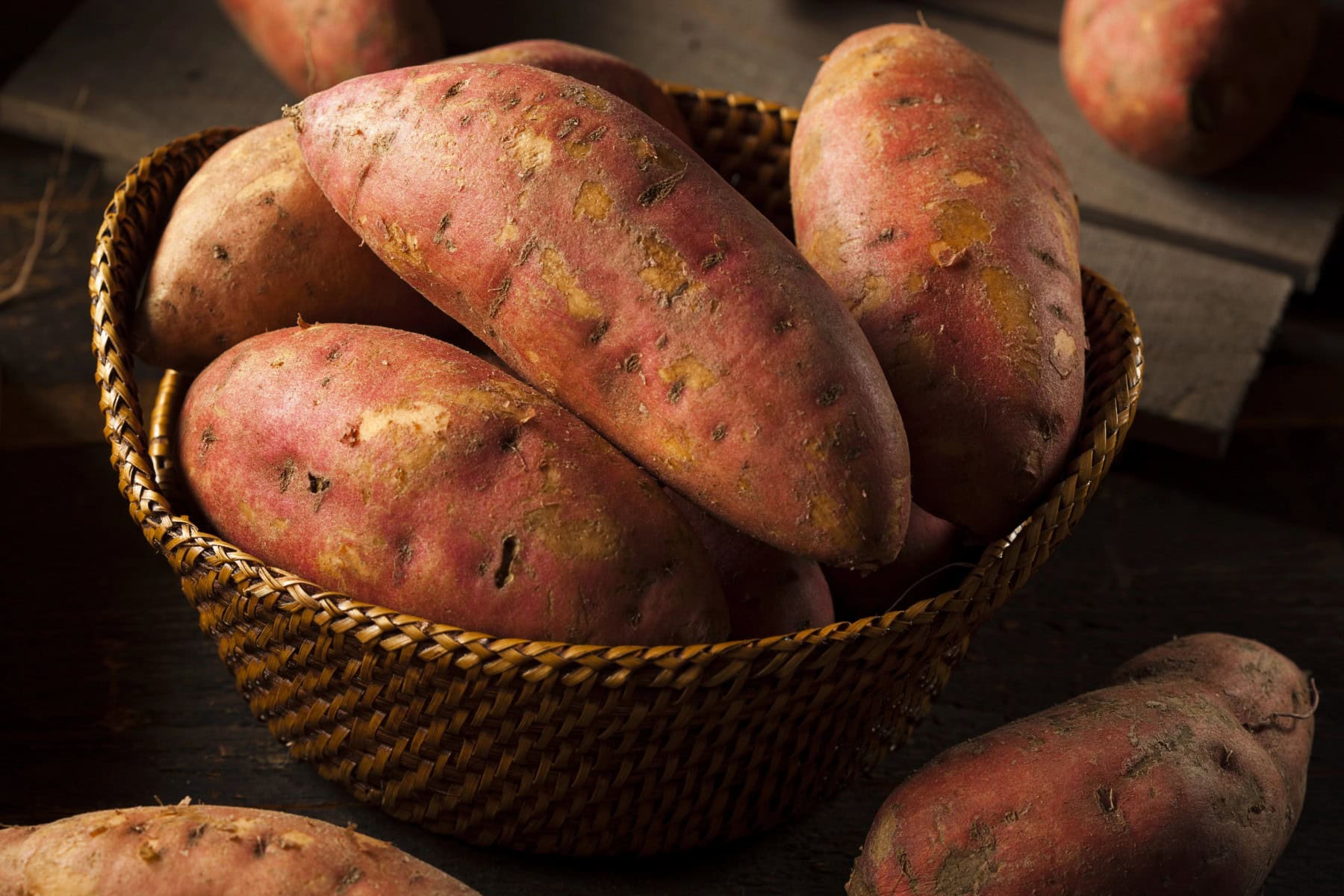
12. Sweet Potatoes
A medium baked sweet potato contains approximately 2–3 grams of protein.
While that doesn’t make sweet potatoes a concentrated protein source, they can contribute to a balanced meal while providing complex carbohydrates, fiber, and other nutrients.
Top baked sweet potatoes with black beans, chickpeas, Greek yogurt, cheese, or shredded meat for a more protein-rich meal.
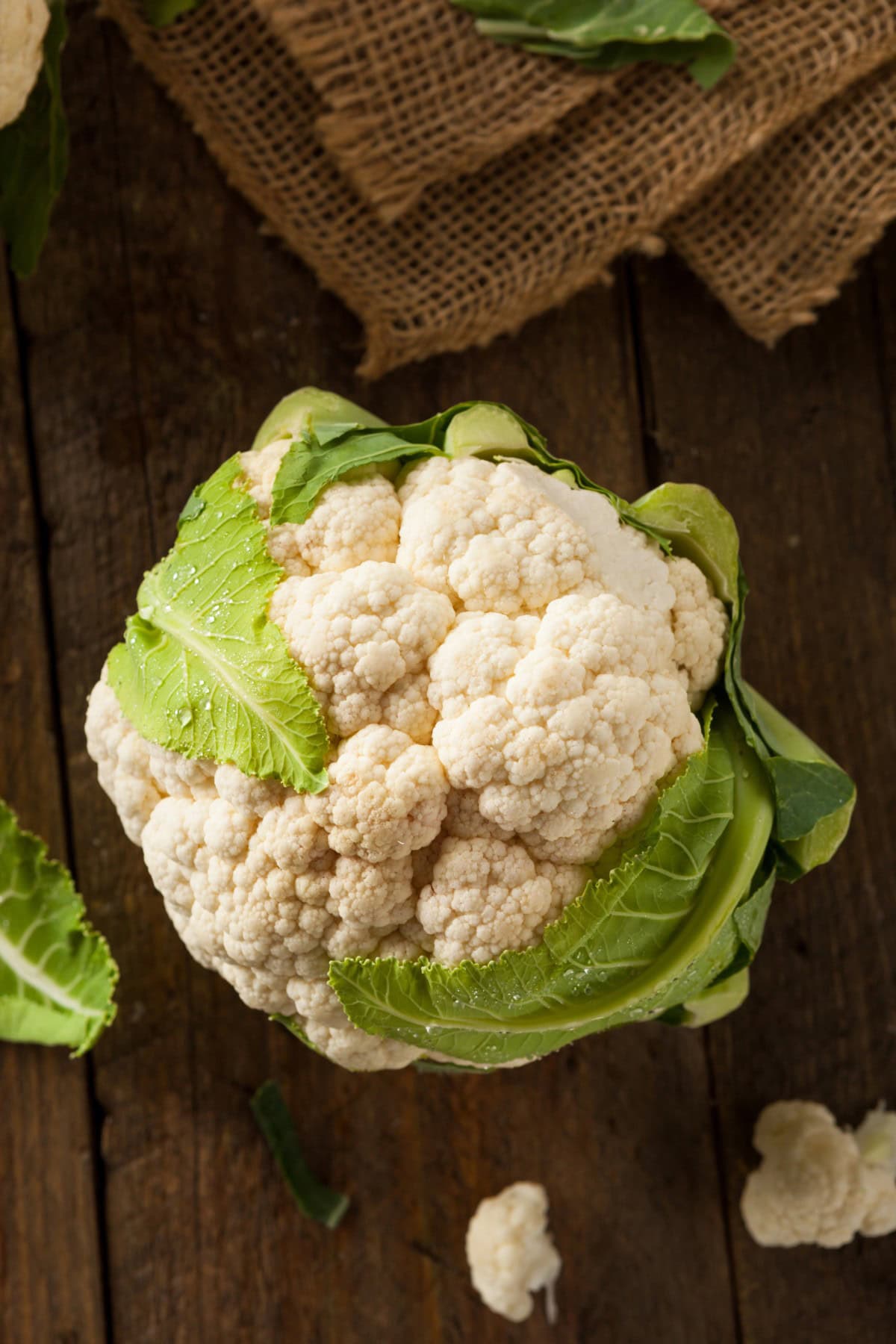
13. Cauliflower
Cooked cauliflower provides around 2 grams of protein per cup.
Its mild flavor makes it particularly versatile. Roast it, mash it, add it to curries, turn it into soup, or use cauliflower florets in casseroles.
Pair cauliflower with chickpeas, lentils, cheese, tofu, or meat to boost the protein content of the complete dish.
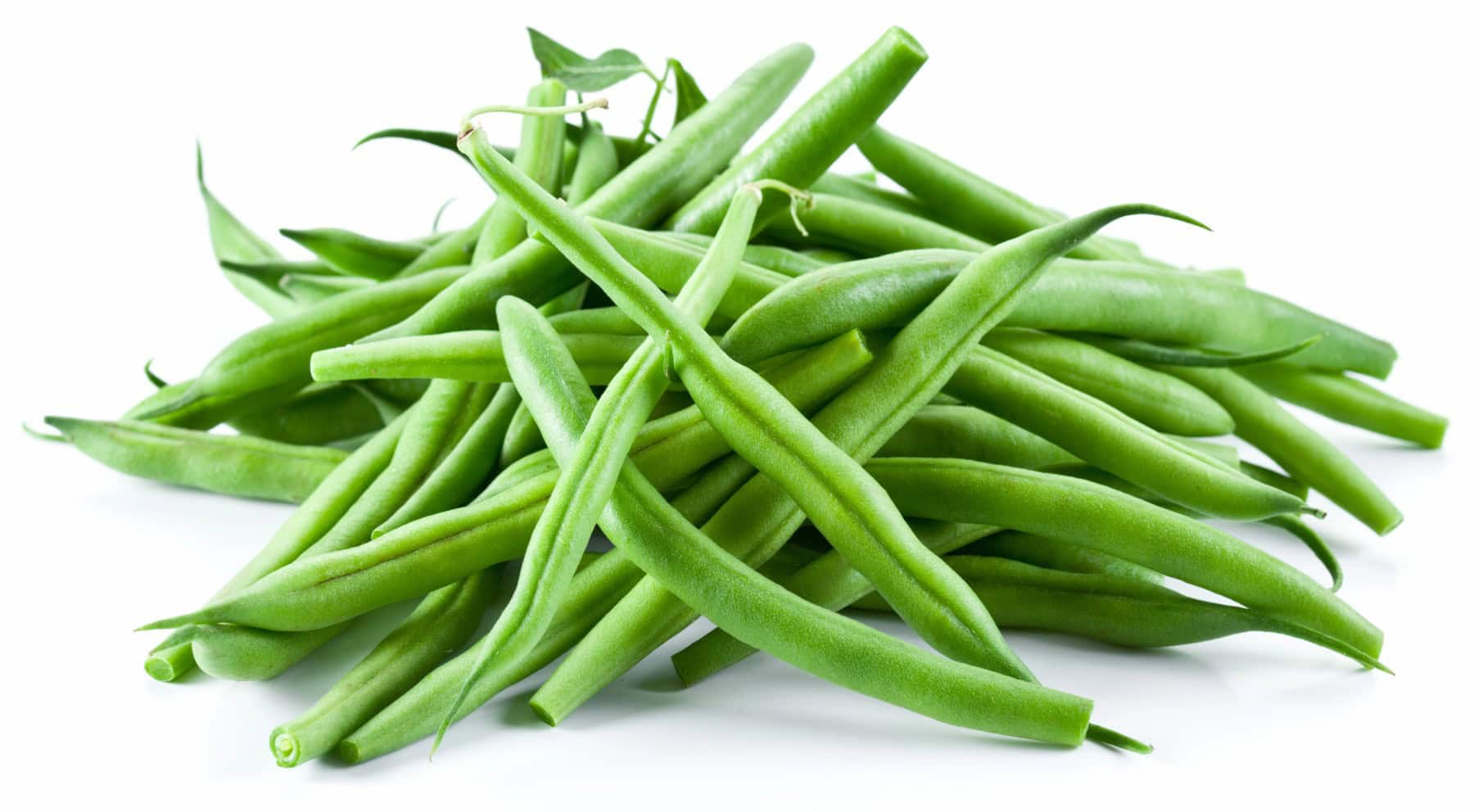
14. Green Beans
One cup of cooked green beans provides approximately 2 grams of protein.
Although they’re botanically legumes, green beans are eaten with their pods and are typically treated as vegetables nutritionally and in the kitchen.
They’re easy to roast, sauté, steam, or bake into casseroles and pair well with almonds, Parmesan, garlic, lemon, and herbs.
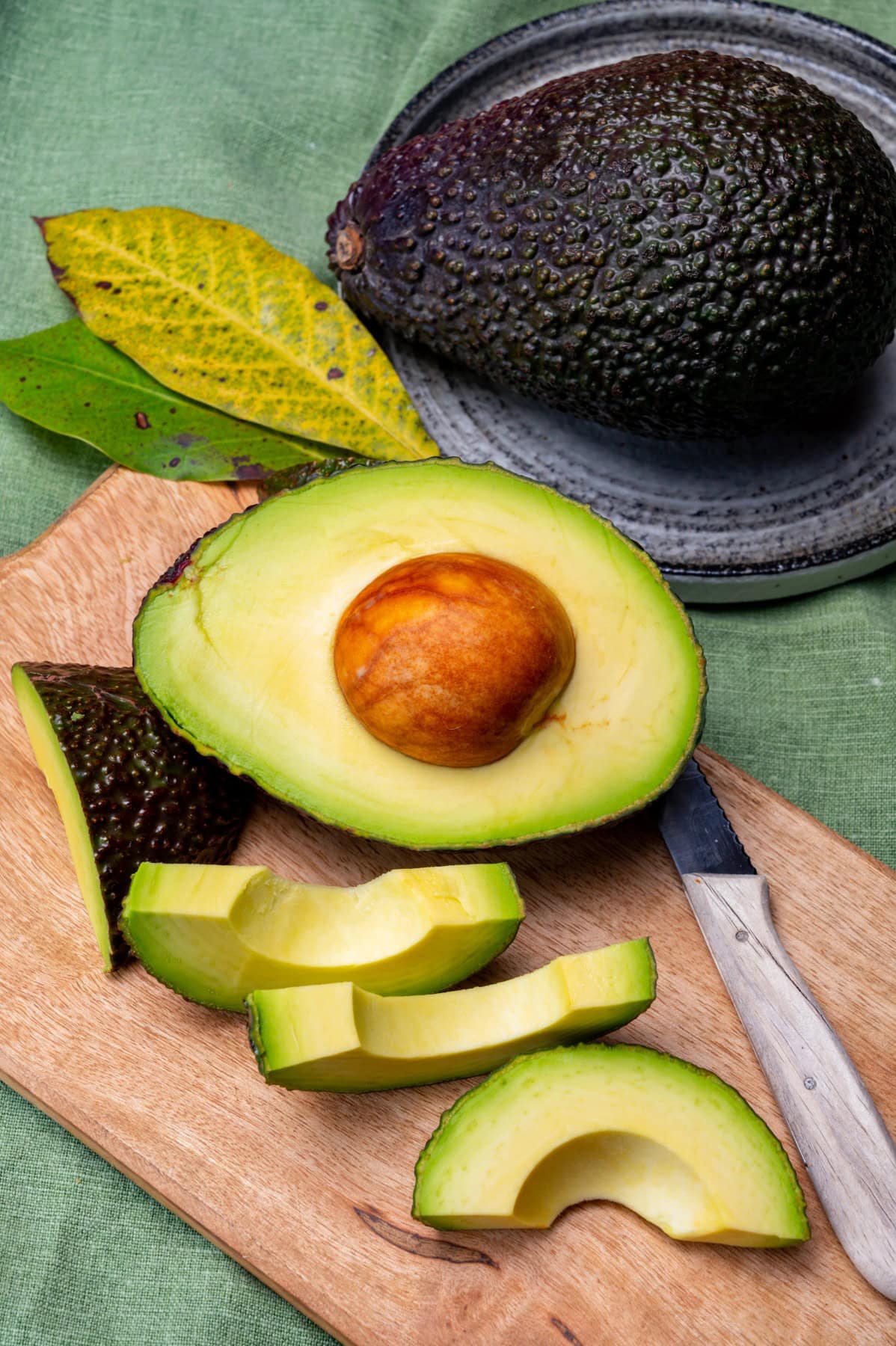
15. Avocado
Avocado provides roughly 3 grams of protein per whole fruit, depending on its size.
It’s not especially high in protein compared with legumes or soy foods, but it can contribute a little protein along with fiber and unsaturated fats.
Add avocado to salads, toast, sandwiches, wraps, grain bowls, tacos, or smoothies.
Are Vegetables a Good Source of Protein?
Vegetables can contribute protein, but most shouldn’t be relied upon as the primary protein source in a meal. This distinction is important.
For example, broccoli contains protein, but you would need to eat a substantial quantity to obtain the same amount of protein found in a typical serving of beans, lentils, tofu, eggs, fish, poultry, meat, or Greek yogurt.
Instead of thinking of vegetables as a replacement for those foods, consider their protein an added nutritional benefit.
How to Get More Protein from Vegetables
One of the easiest strategies is to combine protein-containing vegetables with more concentrated sources of plant or animal protein.
Try combinations such as:
- Broccoli with chicken and quinoa
- Spinach with eggs
- Green peas with pasta and Parmesan
- Edamame with rice and vegetables
- Brussels sprouts with lentils
- Baked potatoes topped with cottage cheese
- Sweet potatoes with black beans
- Cauliflower curry with chickpeas
- Asparagus with salmon
- Kale salad with chicken, beans, or quinoa
These combinations give you the nutritional benefits of vegetables while making it easier to create a satisfying meal with plenty of protein.
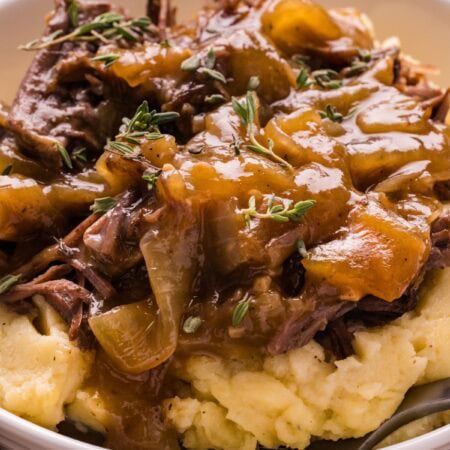
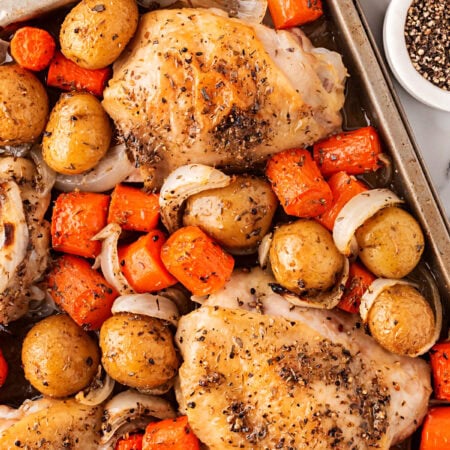
HERE ARE SOME OF OUR FAVORITE HIGH PROTEIN VEGETABLES IN ACTION
Here are some of our favorite recipes for you to try.
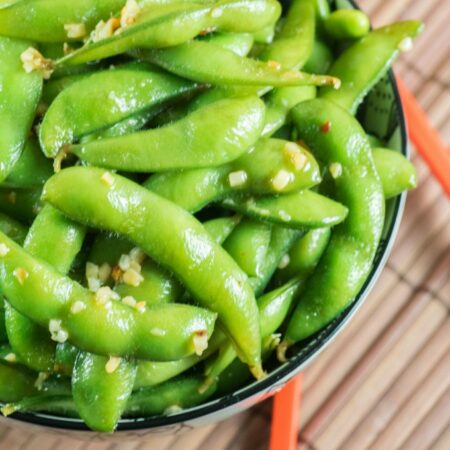
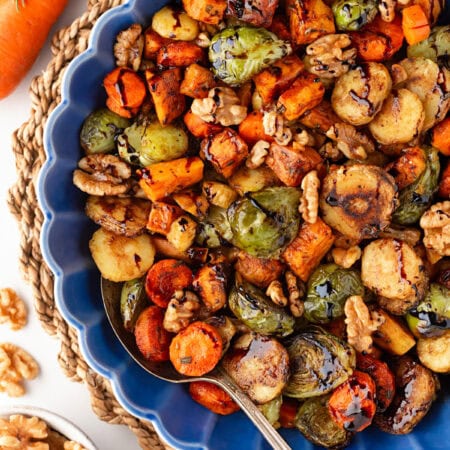
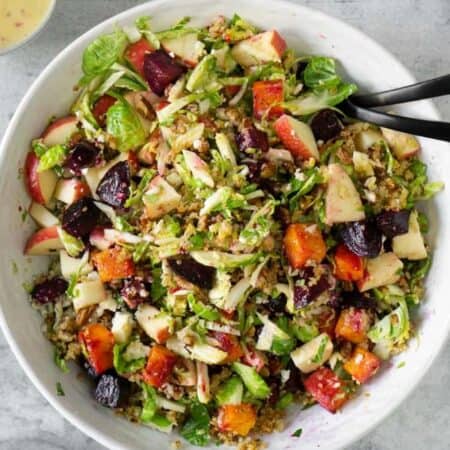
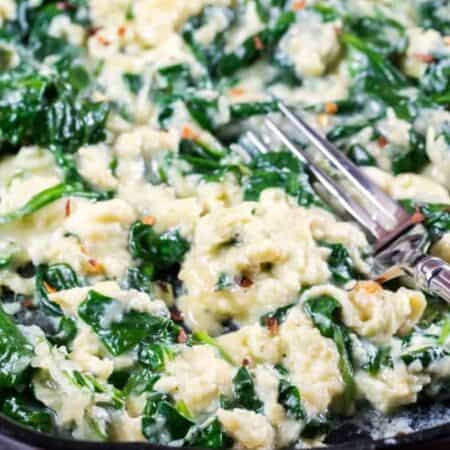
Are Frozen Vegetables High in Protein?
Freezing vegetables doesn’t inherently remove their protein.
Frozen broccoli, spinach, peas, edamame, Brussels sprouts, and other vegetables can therefore be convenient choices when fresh produce isn’t available.
They’re also useful for reducing food waste because you can take out only the amount you need and return the remainder to the freezer.
Choose plain frozen vegetables when you want more control over added sauces, sodium, and seasonings.
Do Cooked Vegetables Have More Protein Than Raw Vegetables?
Cooking doesn’t magically add protein to vegetables, but it can make the numbers look different when you compare them by volume.
Leafy vegetables are a perfect example.
A cup of raw spinach contains relatively little spinach because the leaves are so light and bulky. Cooking causes those leaves to shrink dramatically, so a cup of cooked spinach contains much more actual spinach—and therefore more protein—than a cup of raw spinach.
Water loss or absorption during cooking can also change nutrient concentrations per gram or per cup.






Let us know what you think!
We’d love to know what you and your family think! Make sure to leave a review below and follow us on your favorite social network!