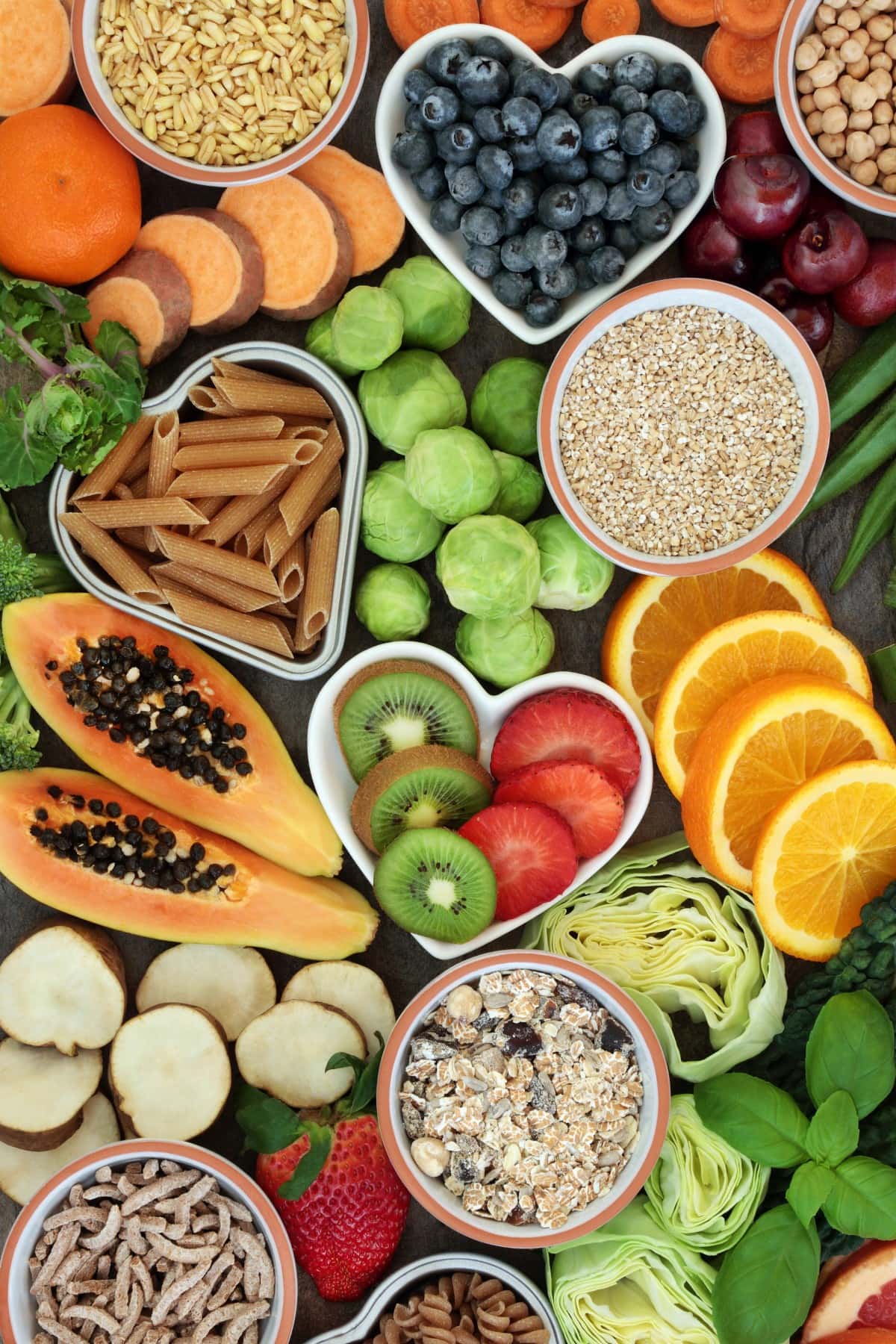
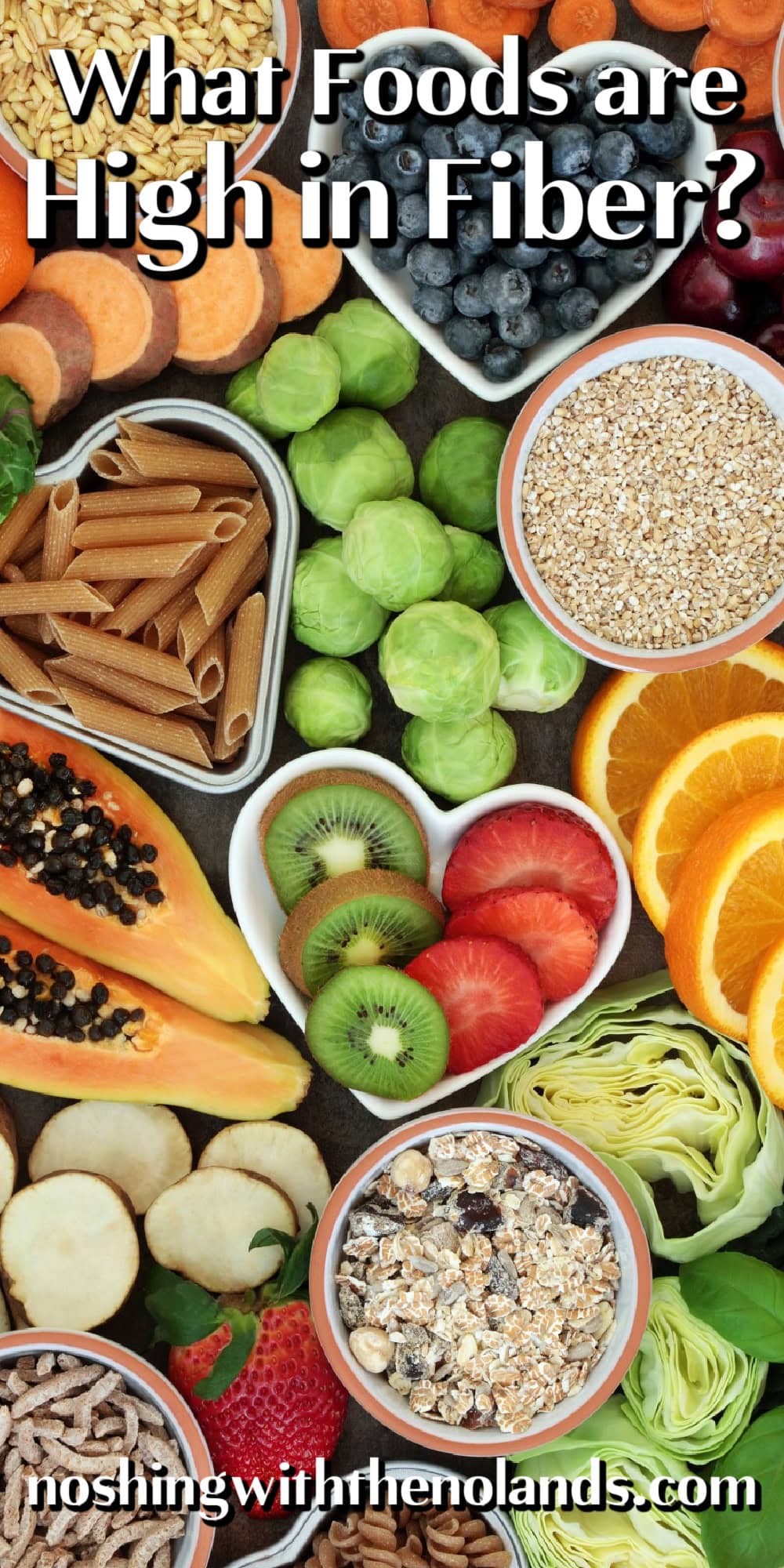
If you’re looking to improve your diet, one of the simplest changes you can make is eating more fiber-rich foods, but Which Foods are High in Fiber? Fiber is an essential nutrient that supports healthy digestion, helps you feel full longer, promotes heart health, and can help maintain healthy blood sugar levels. Fortunately, many delicious everyday foods are naturally high in fiber, making it easy to boost your intake with every meal. You don’t have to go on some crazy diet, but slide a few in here and there to start. It is just that easy.
Check out some of our other posts on high-fiber foods like What are Fava Beans? or What Vegetables are in the Cabbage Family?. Also, check out Types of Beans – Name That Bean, for lots of high fiber choices!! Or What Vegetables are High in Protein for another great article.
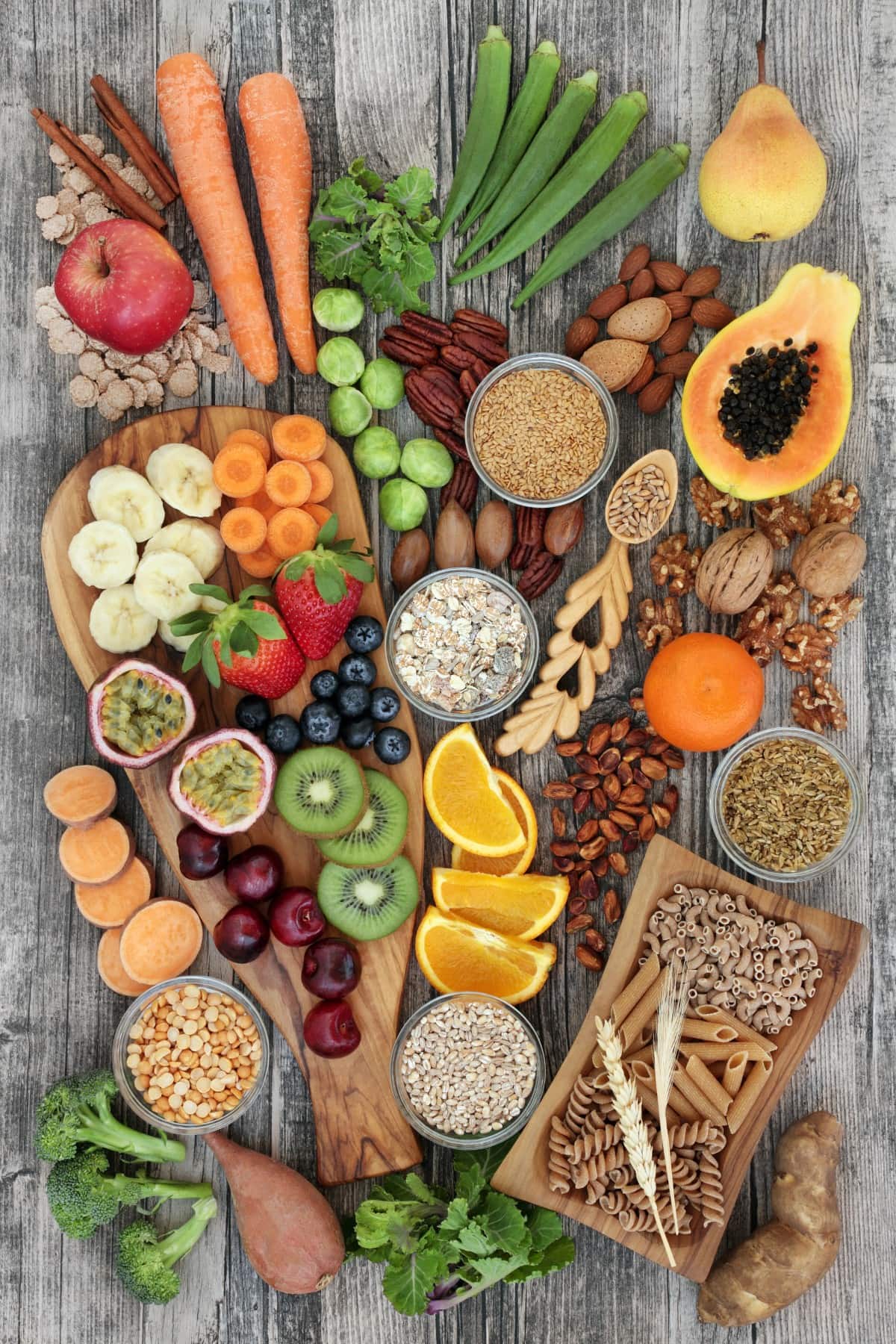
Why Is Fiber Important?
Fiber is a type of carbohydrate that your body can’t fully digest. Instead of being broken down for energy, it passes through your digestive system, providing numerous health benefits.
A diet rich in fiber may help:
- Support healthy digestion and regular bowel movements
- Promote a healthy gut microbiome
- Keep you feeling fuller for longer
- Support healthy cholesterol levels
- Help maintain stable blood sugar levels
- Contribute to heart health
- Aid in healthy weight management
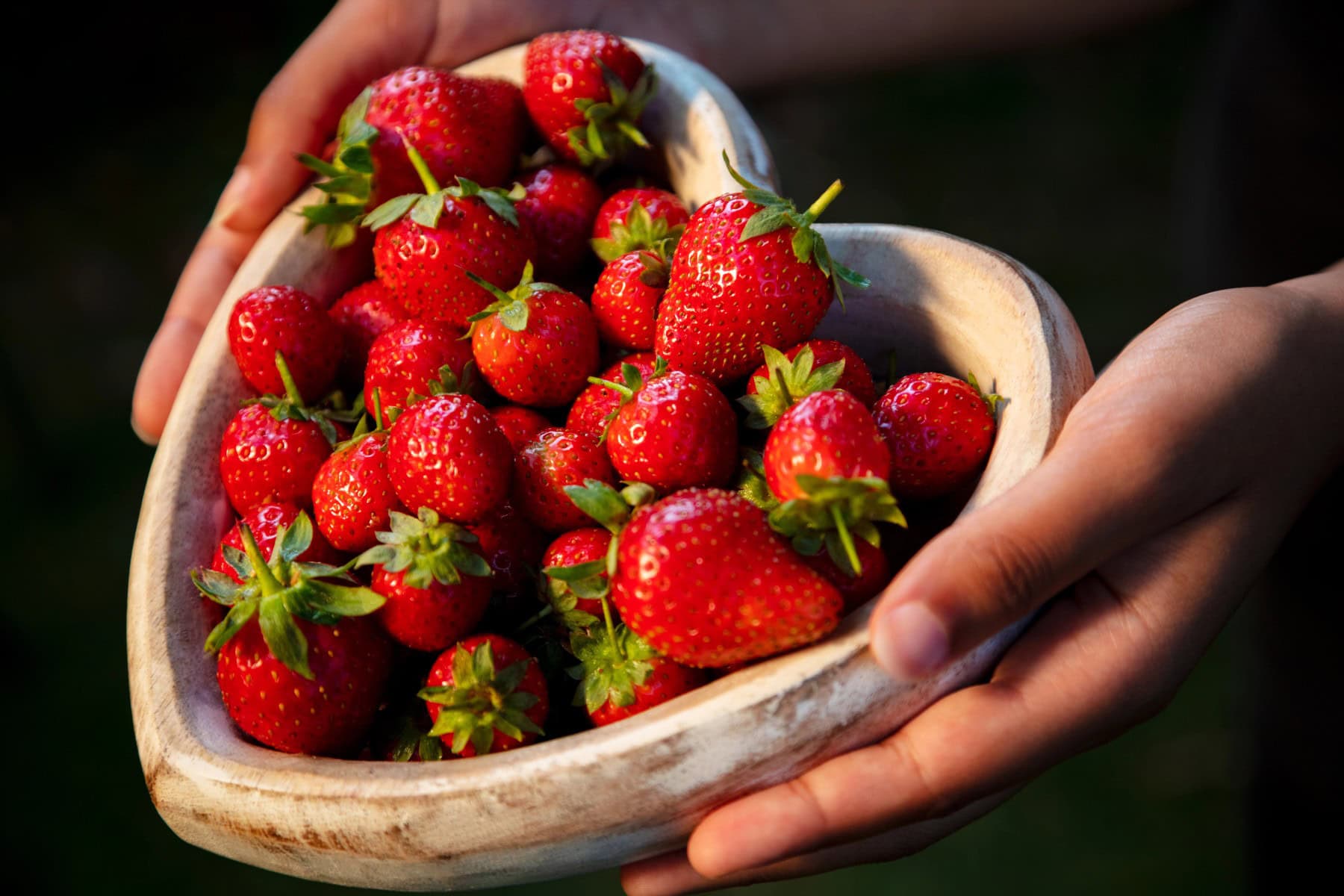
Best High-Fiber Foods
Fruits
Many fruits are naturally high in fiber while also providing vitamins and antioxidants.
Some excellent choices include:
- Apples (with the skin)
- Pears
- Strawberries
- Raspberries
- Blackberries
- Blueberries
- Oranges
- Figs
- Avocados
- Kiwi
- Prunes
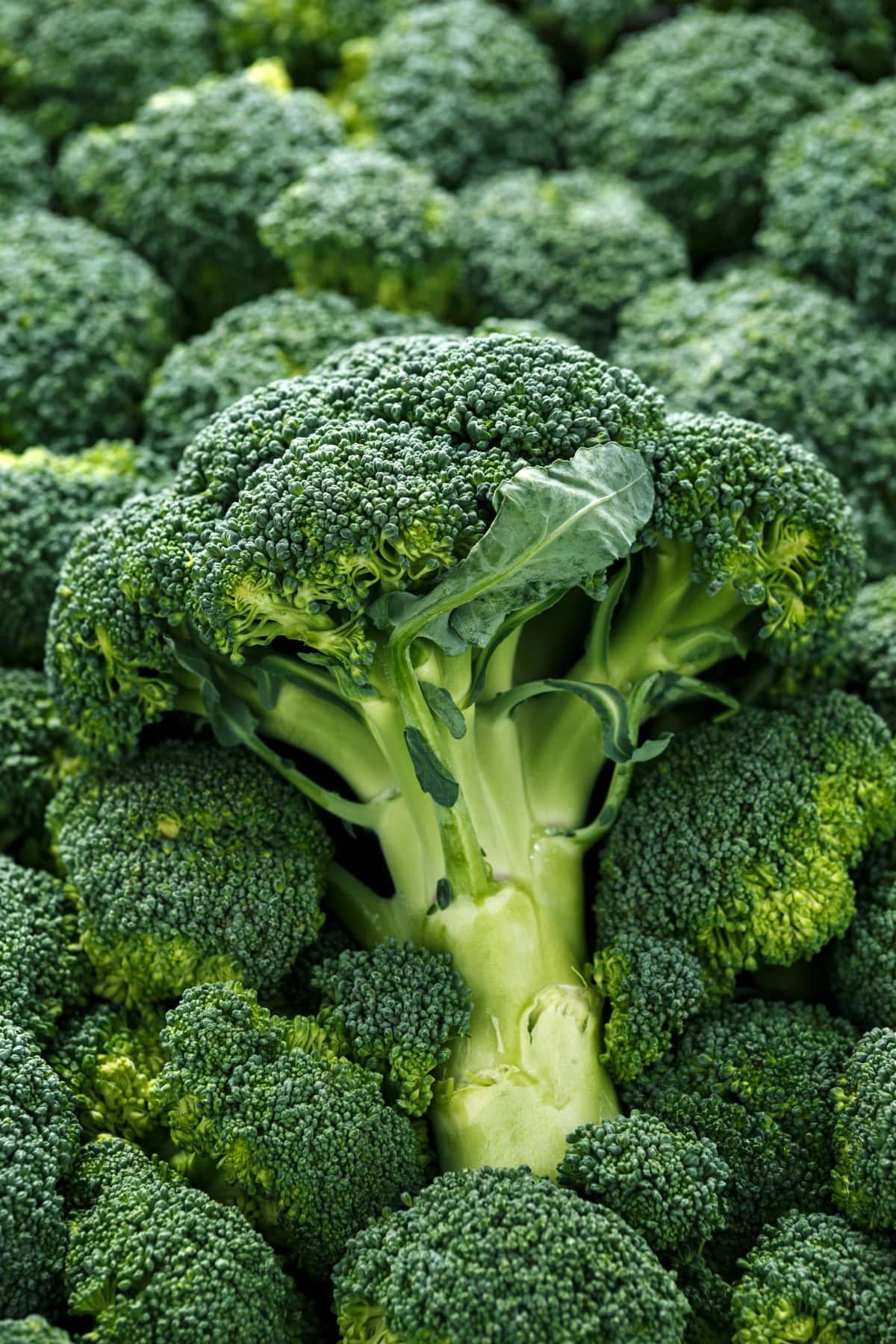
Vegetables
Vegetables provide both soluble and insoluble fiber along with important vitamins and minerals.
Great options include:
- Broccoli
- Brussels sprouts
- Carrots
- Sweet potatoes
- Artichokes
- Green peas
- Spinach
- Kale
- Beets
- Corn
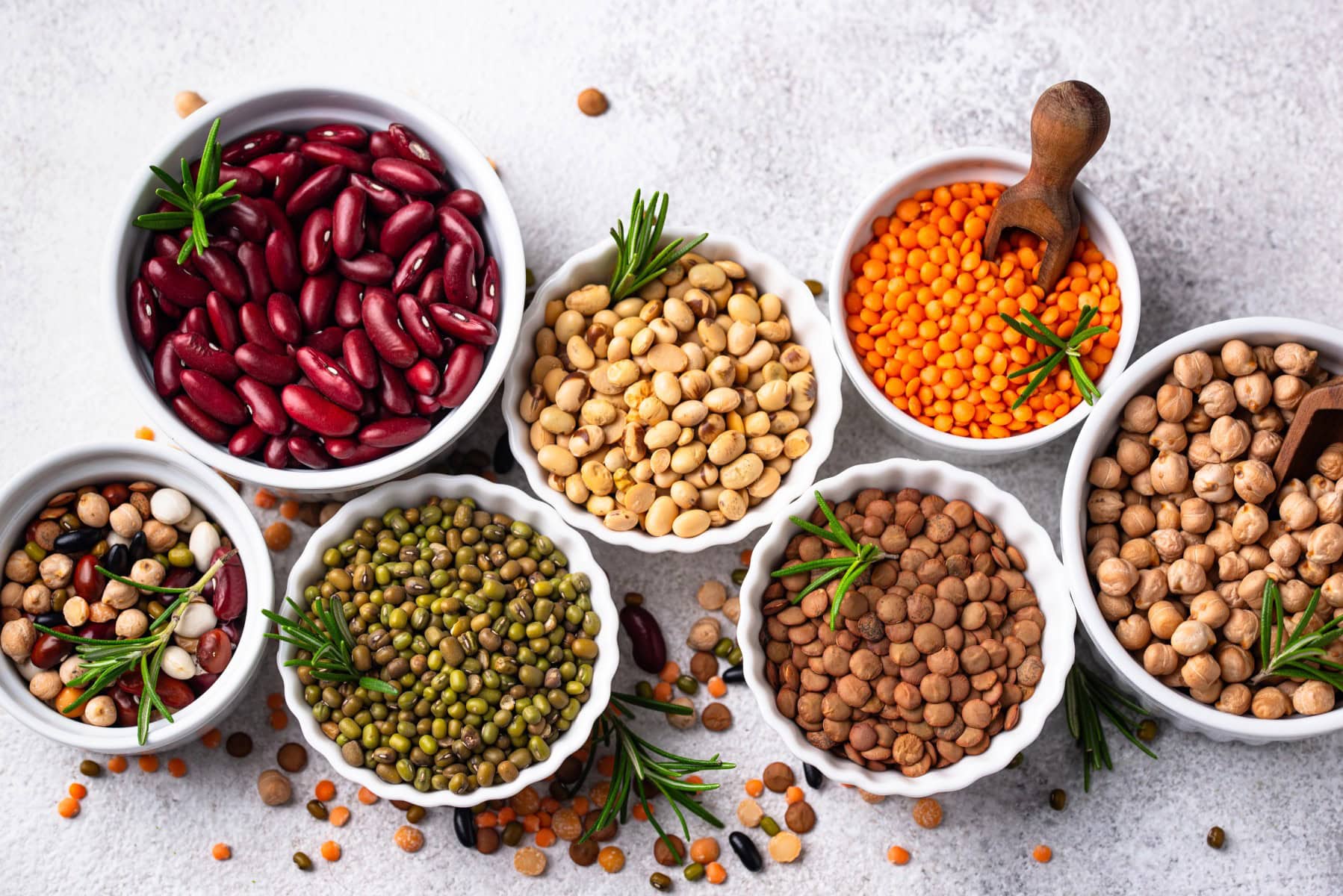
Legumes
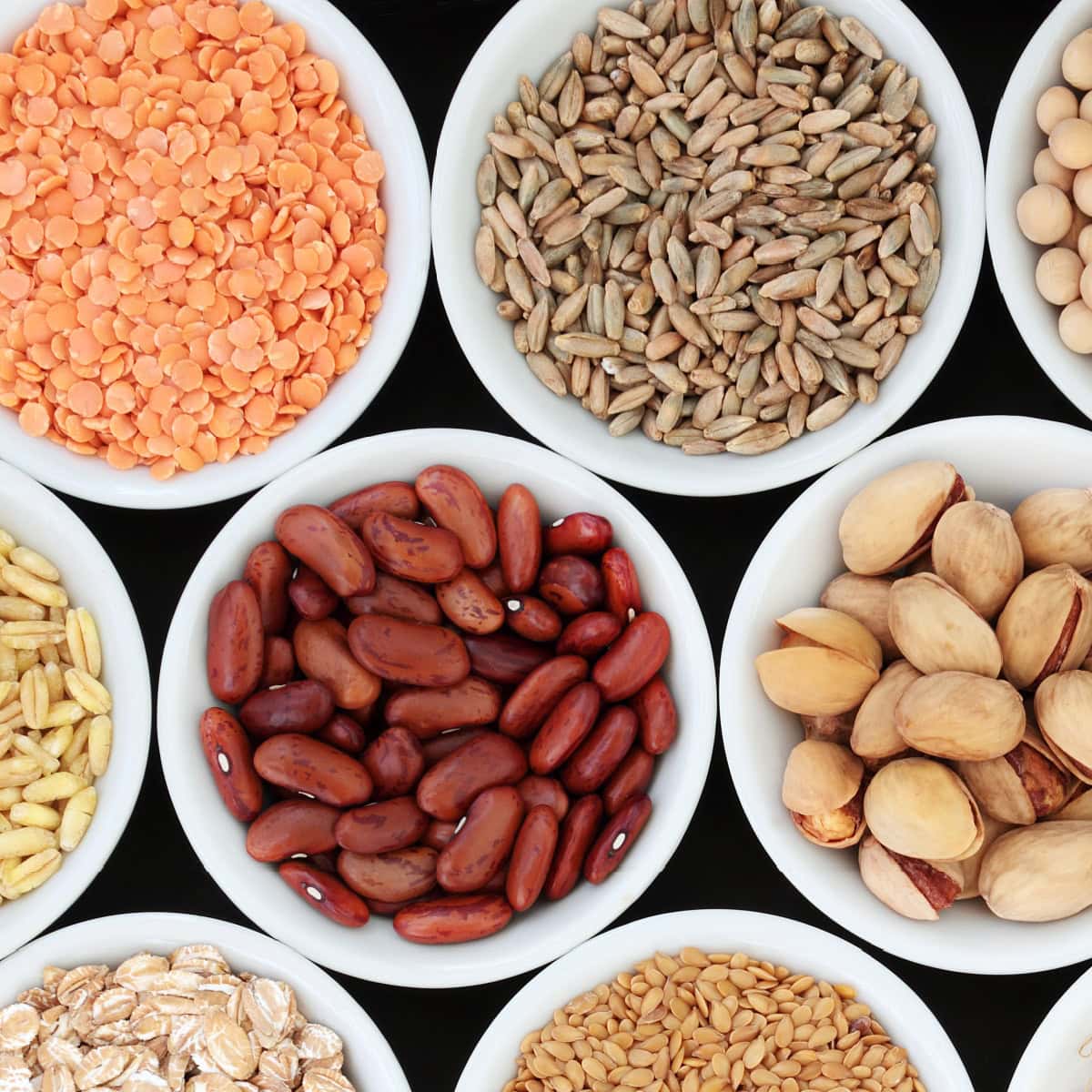
Beans and legumes are among the richest sources of dietary fiber.
Include more:
- Black beans
- Kidney beans
- Chickpeas
- Lentils
- Navy beans
- Pinto beans
- Split peas
- Edamame
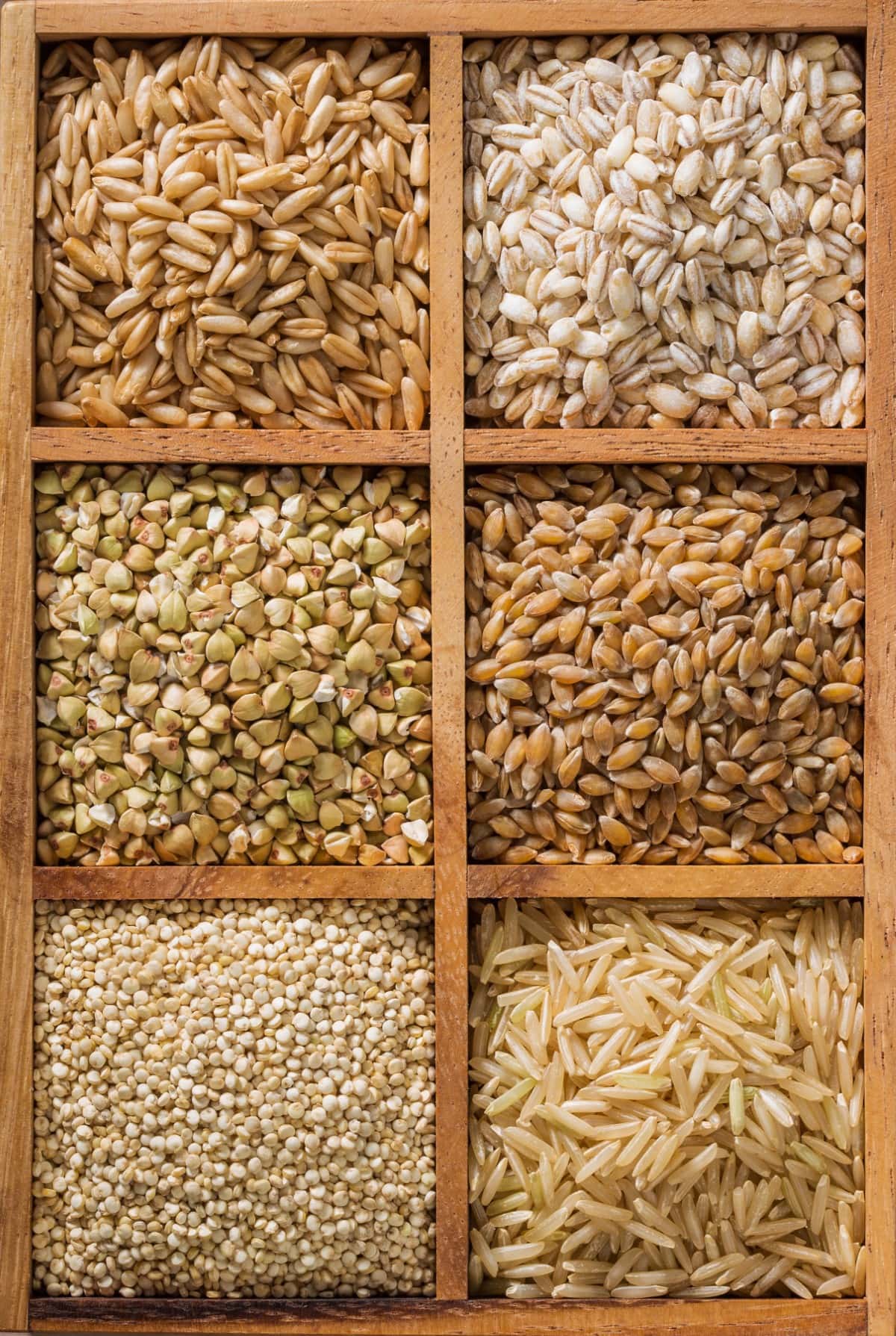
Whole Grains
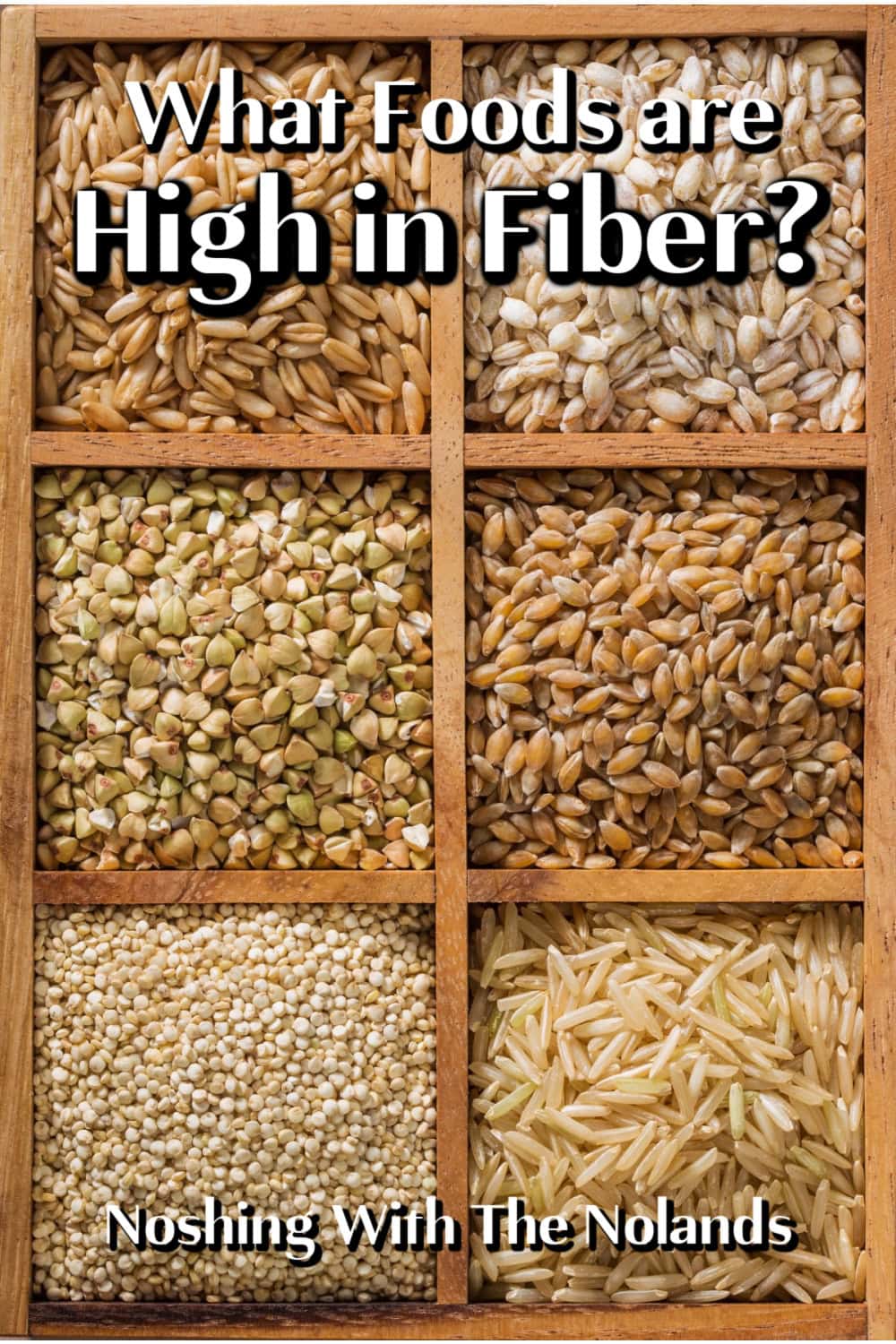
Choose whole grains over refined grains whenever possible.
Some fiber-rich options include:
- Oats
- Barley
- Quinoa
- Brown rice
- Whole wheat bread
- Whole wheat pasta
- Bulgur
- Farro
- Bran cereal
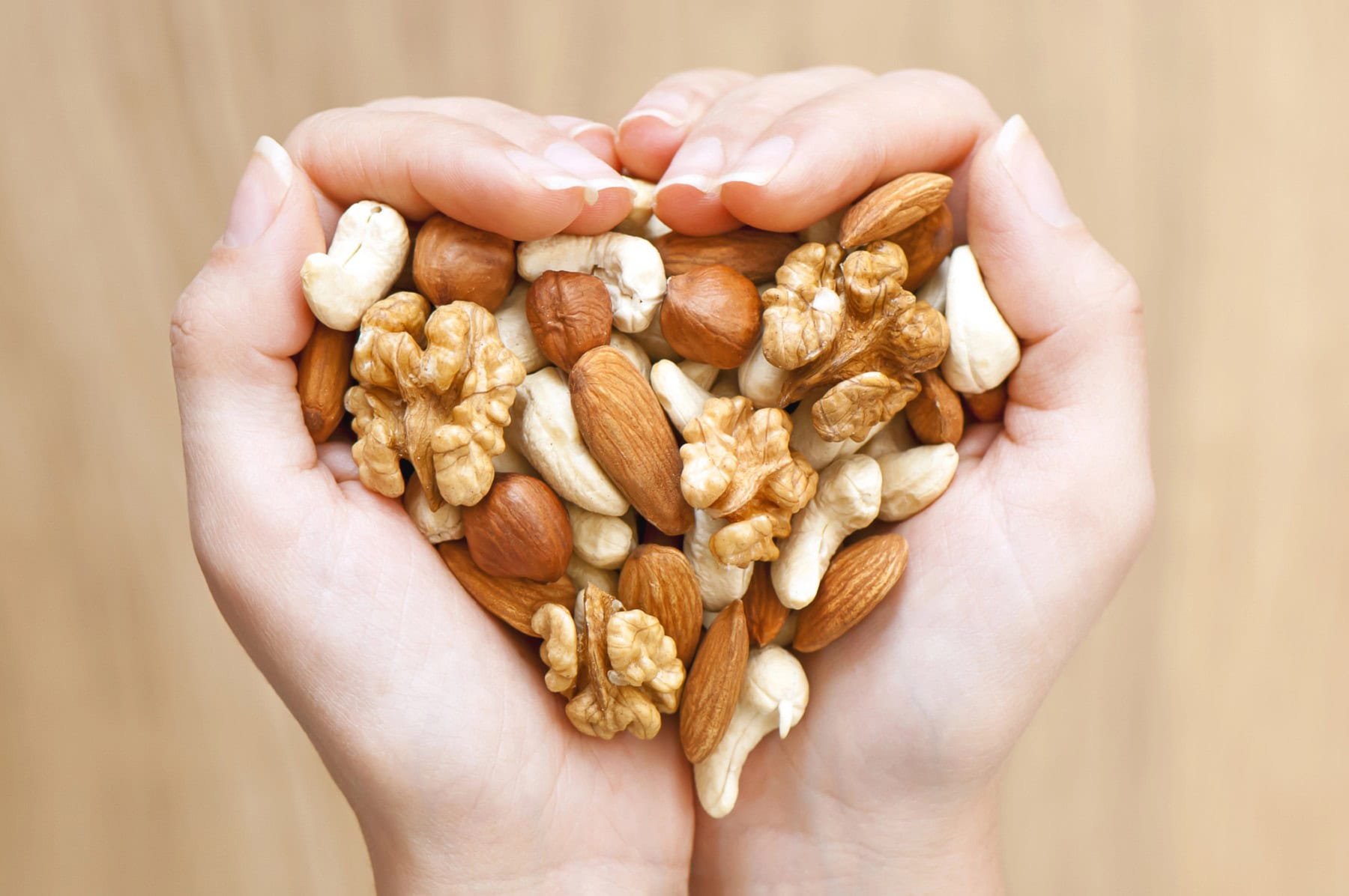
Nuts and Seeds
These nutrient-dense foods provide fiber along with healthy fats and protein. Adding these to salads and meals is easy and delicious.
Try adding:
- Chia seeds
- Flaxseed; these need to be ground to get the full benefit
- Almonds
- Pistachios
- Walnuts
- Pumpkin seeds
- Sunflower seeds
Soluble vs. Insoluble Fiber
There are two main types of dietary fiber, and both play an important role in a healthy diet.
Soluble Fiber
Soluble fiber dissolves in water to form a gel-like substance. It may help support healthy cholesterol levels and steady blood sugar.
Foods rich in soluble fiber include:
- Oats
- Apples
- Citrus fruits
- Beans
- Lentils
- Barley
- Chia seeds
Insoluble Fiber
Insoluble fiber adds bulk to stool and helps food move through the digestive tract.
Good sources include:
- Whole wheat products
- Brown rice
- Nuts
- Seeds
- Cauliflower
- Green beans
- Leafy greens
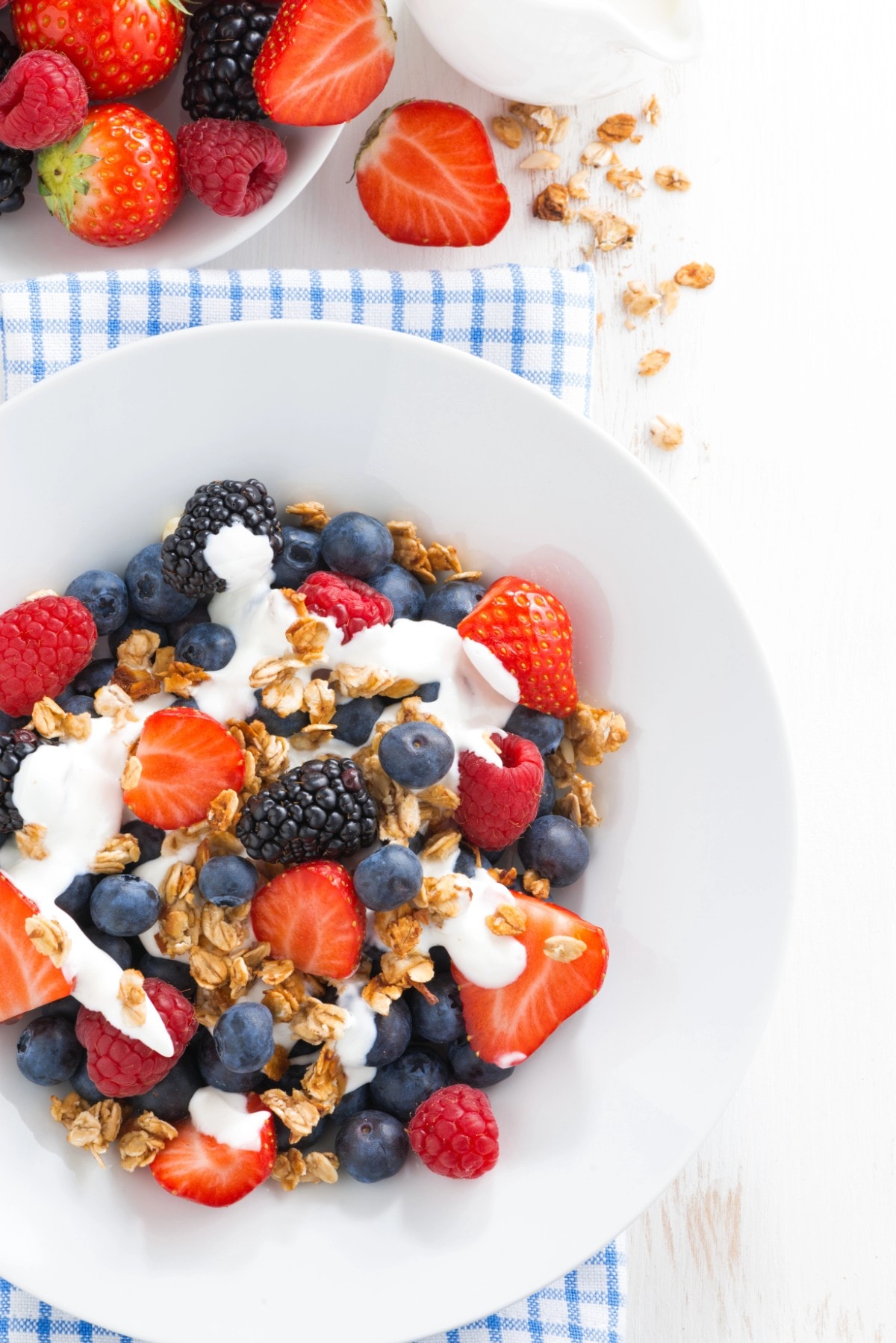
Easy Ways to Eat More Fiber
- Add berries to your morning oatmeal or yogurt.
- Snack on fresh fruit instead of processed snacks.
- Choose whole grain breads and cereals.
- Include beans in soups, salads, tacos, and chili.
- Sprinkle chia seeds or ground flaxseed into smoothies.
- Add extra vegetables to casseroles, pasta dishes, and stir-fries.
- Keep the skins on apples and potatoes whenever possible.
- Snack on nuts instead of chips or crackers.
Frequently Asked Questions
How much fiber do adults need?
Most adults should aim for about 25 grams of fiber per day for women and 38 grams per day for men, though individual needs vary based on age and activity level.
Can you eat too much fiber?
Increasing fiber too quickly may cause bloating or gas. Gradually increase your fiber intake and drink plenty of water to help your digestive system adjust.
What foods have the most fiber?
Legumes such as lentils, black beans, and chickpeas are among the highest-fiber foods. Chia seeds, raspberries, pears, artichokes, oats, and bran cereals are also excellent sources.
Is fruit a good source of fiber?
Yes! Many fruits—including apples, pears, raspberries, blackberries, and avocados—are naturally high in fiber, especially when eaten with their skins (where applicable).
Does cooking vegetables reduce their fiber?
Cooking can change the texture of vegetables, but most of their fiber remains intact. Both raw and cooked vegetables are excellent sources of dietary fiber.





Let us know what you think!
We’d love to know what you and your family think! Make sure to leave a review below and follow us on your favorite social network!