The Cabbage Family, also known as the Brassica or cruciferous vegetable family, includes a wide variety of nutrient-rich vegetables loved for their flavor, versatility, and health benefits. These vegetables are staples in many kitchens and can be enjoyed raw, roasted, steamed, sautéed, or fermented. They are a trending vegetable for many reasons; let’s have a deeper dive into this family.
If you are thinking of healthy choices in your diet you might want to have a look at, What Foods are High in Fiber?
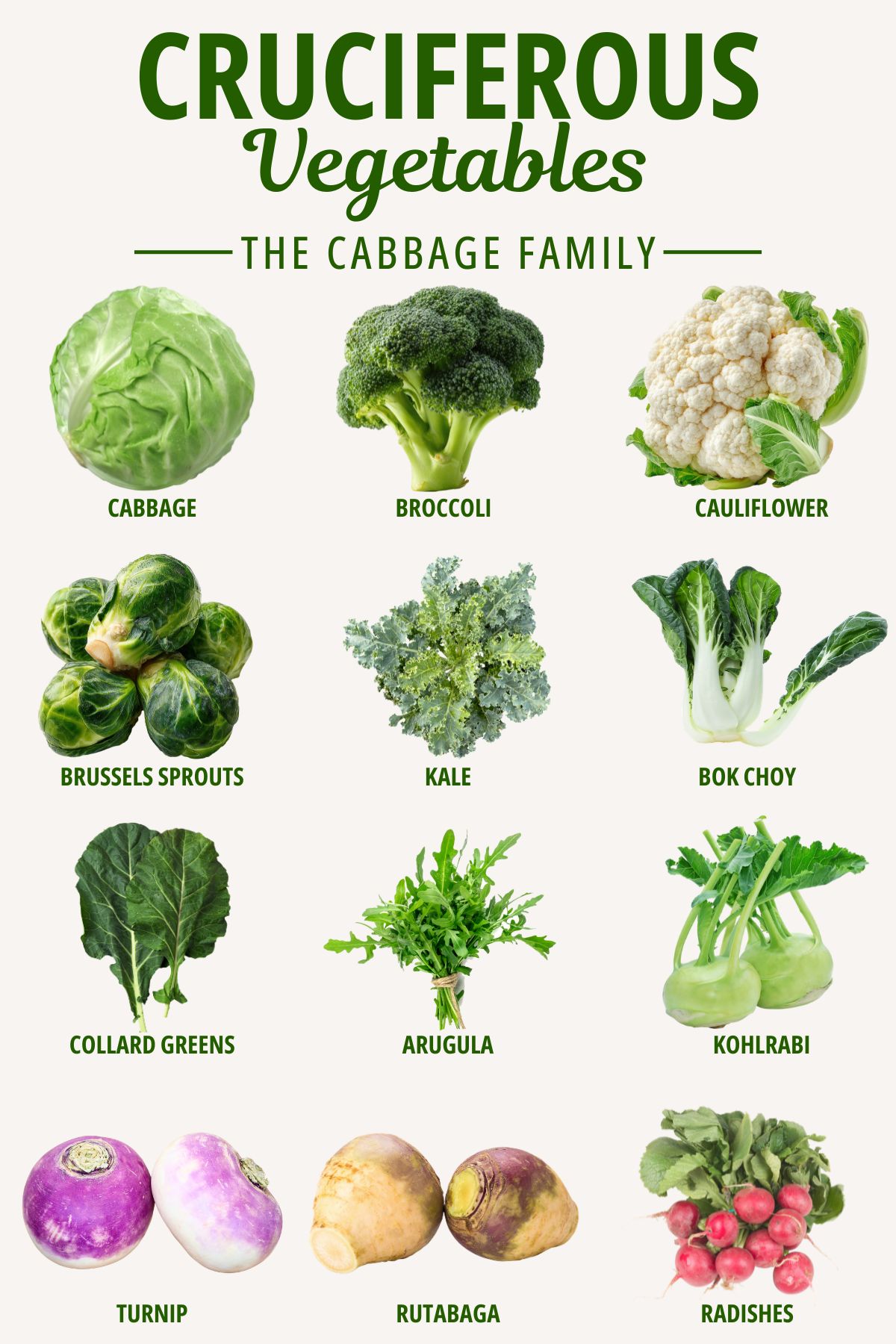
From broccoli and cauliflower to kale and Brussels sprouts, cabbage family vegetables are packed with vitamins, fiber, and antioxidants that make them a healthy addition to almost any meal.
Why People Love Cabbage Family Vegetables
- Nutritious and filling
- Affordable and easy to find
- Great for meal prep
- Work in many cuisines and recipes
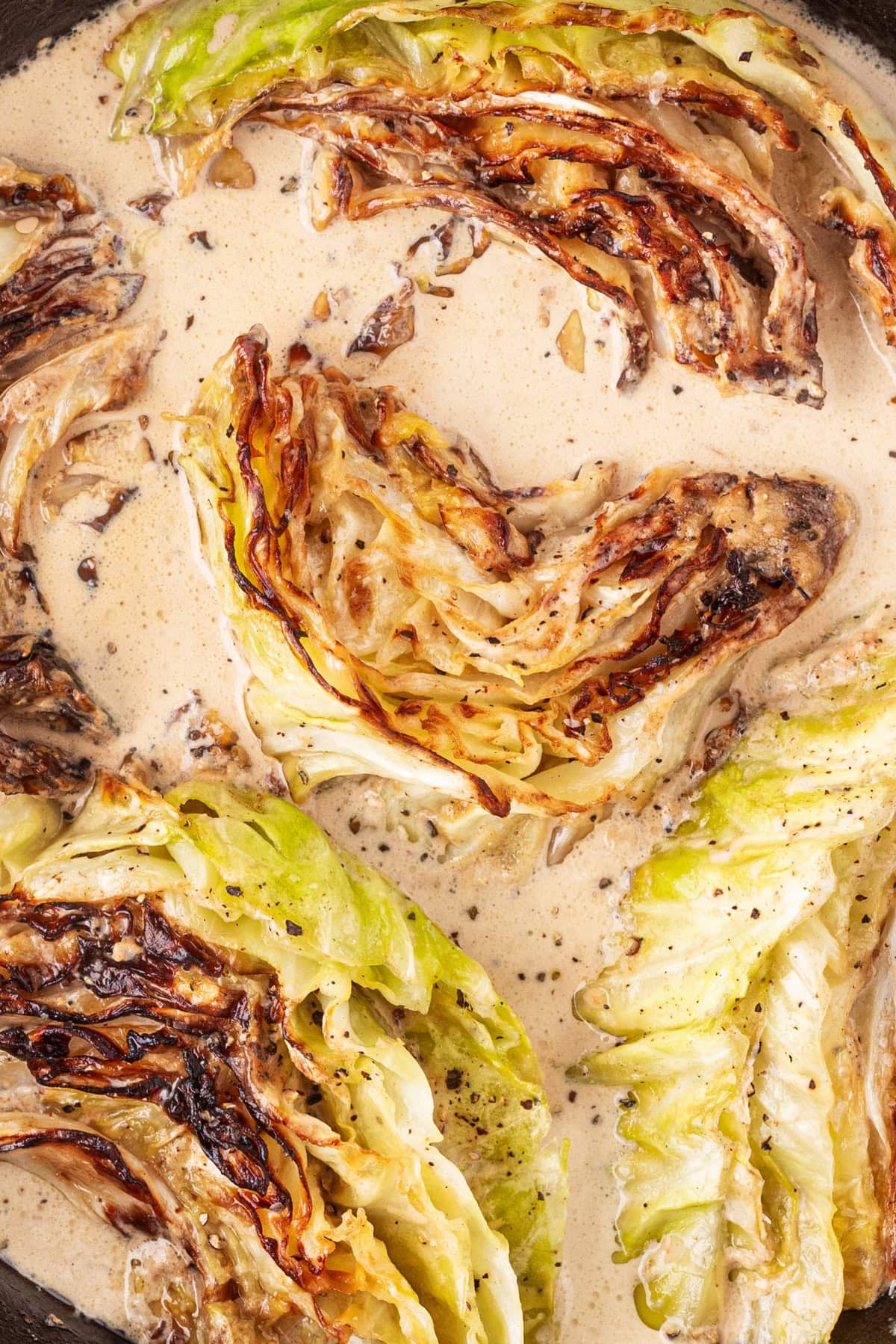
Creamed Cabbage by Noshing With The Nolands.
What Is the Cabbage Family?
The cabbage family belongs to the Brassicaceae plant family. These vegetables are often called cruciferous vegetables because their flowers typically have four petals that resemble a cross.
They’re known for:
- Bold flavor
- Crisp texture
- High nutritional value
- Versatility in cooking
Common Vegetables in the Cabbage Family

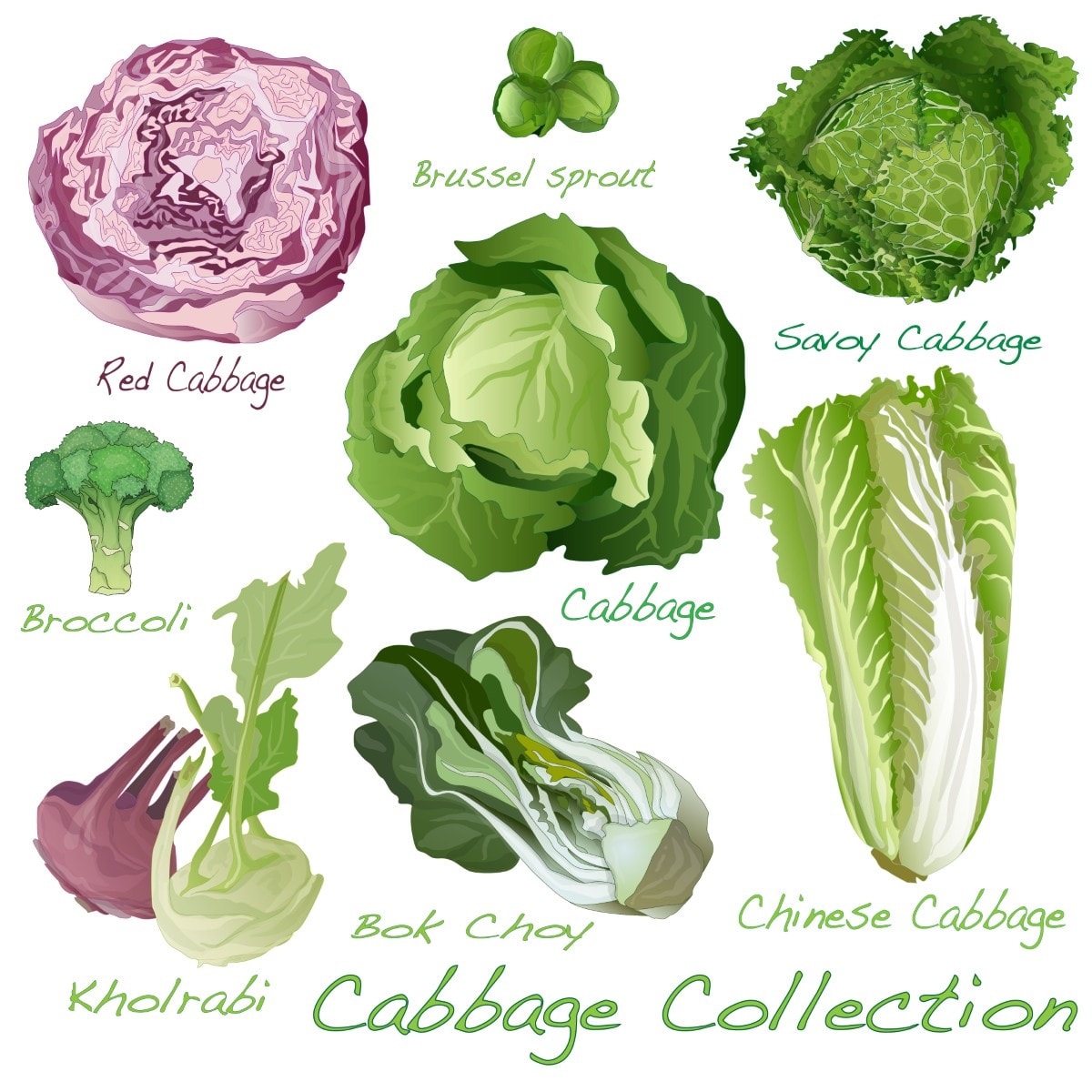
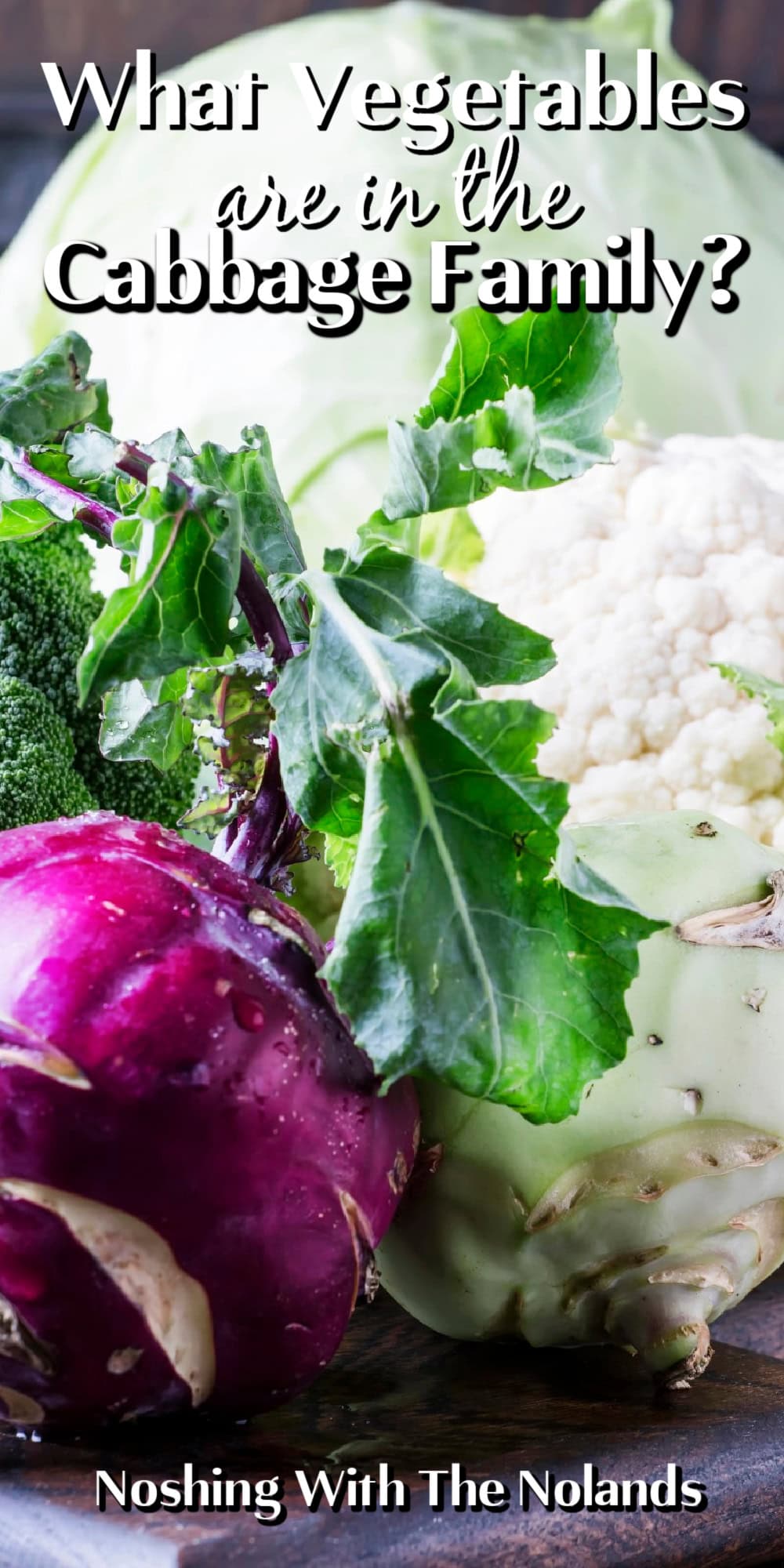
Cabbage comes in several varieties, including green, red, Napa, and Savoy. It has a mild, slightly sweet flavor that becomes even sweeter when cooked. Cabbage is commonly used in coleslaw, soups, stir-fries, cabbage rolls, and fermented dishes like sauerkraut and kimchi. It’s affordable, versatile, and stores well in the refrigerator.
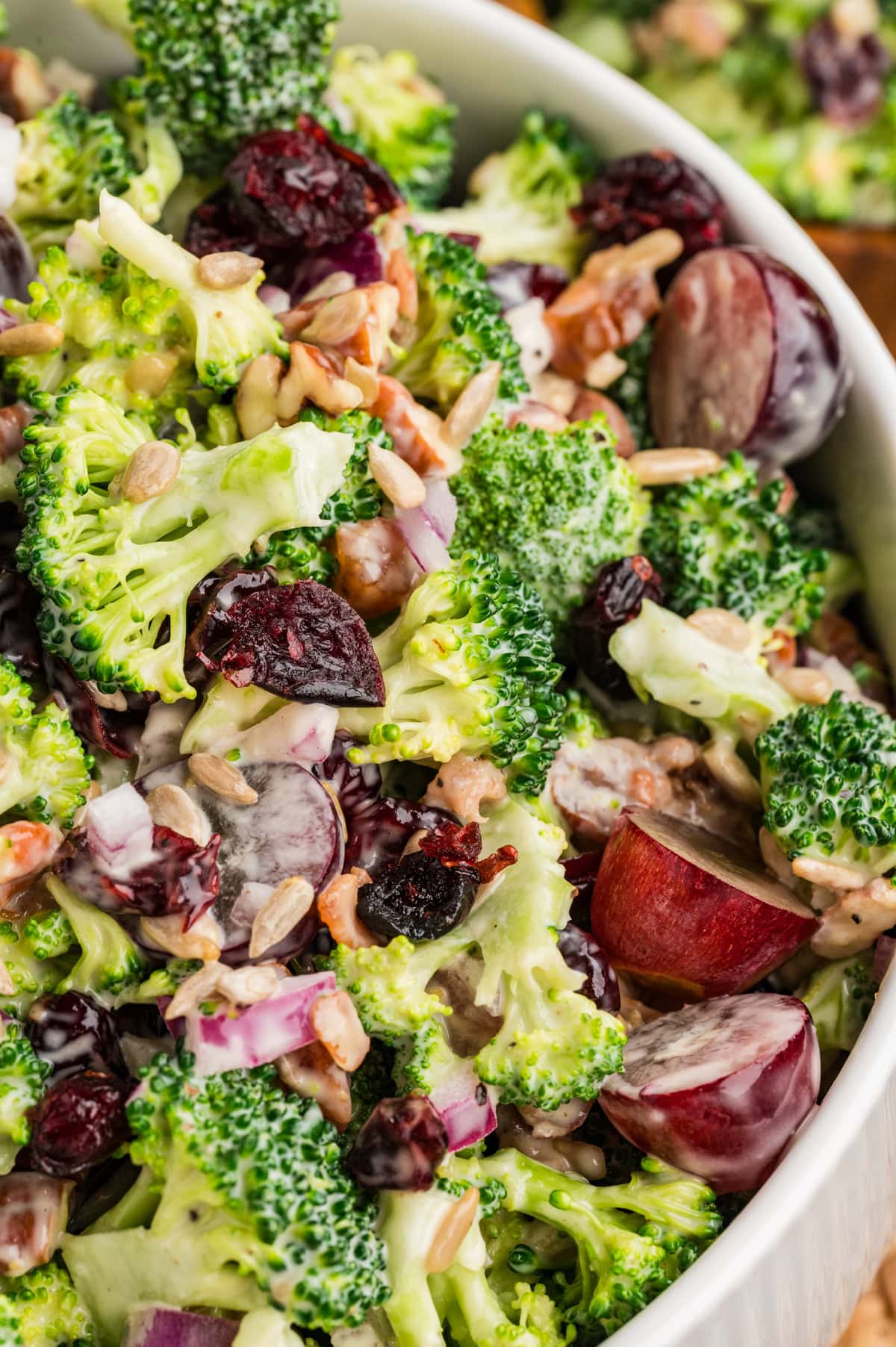
A popular cruciferous vegetable is broccoli and is known for its dense green florets and thick stalks. It has a slightly earthy, mildly bitter flavor that becomes sweeter when roasted. Broccoli is delicious raw, steamed, roasted, stir-fried, or added to casseroles, soups, and pasta dishes.

Cauliflower has a mild flavor and tender texture that makes it extremely versatile. It can be roasted, mashed, riced, grilled, or blended into soups and sauces. White cauliflower is most common, but purple, orange, and green varieties are also available. Its ability to take on other flavors makes it a favorite in low-carb and vegetable-forward recipes.
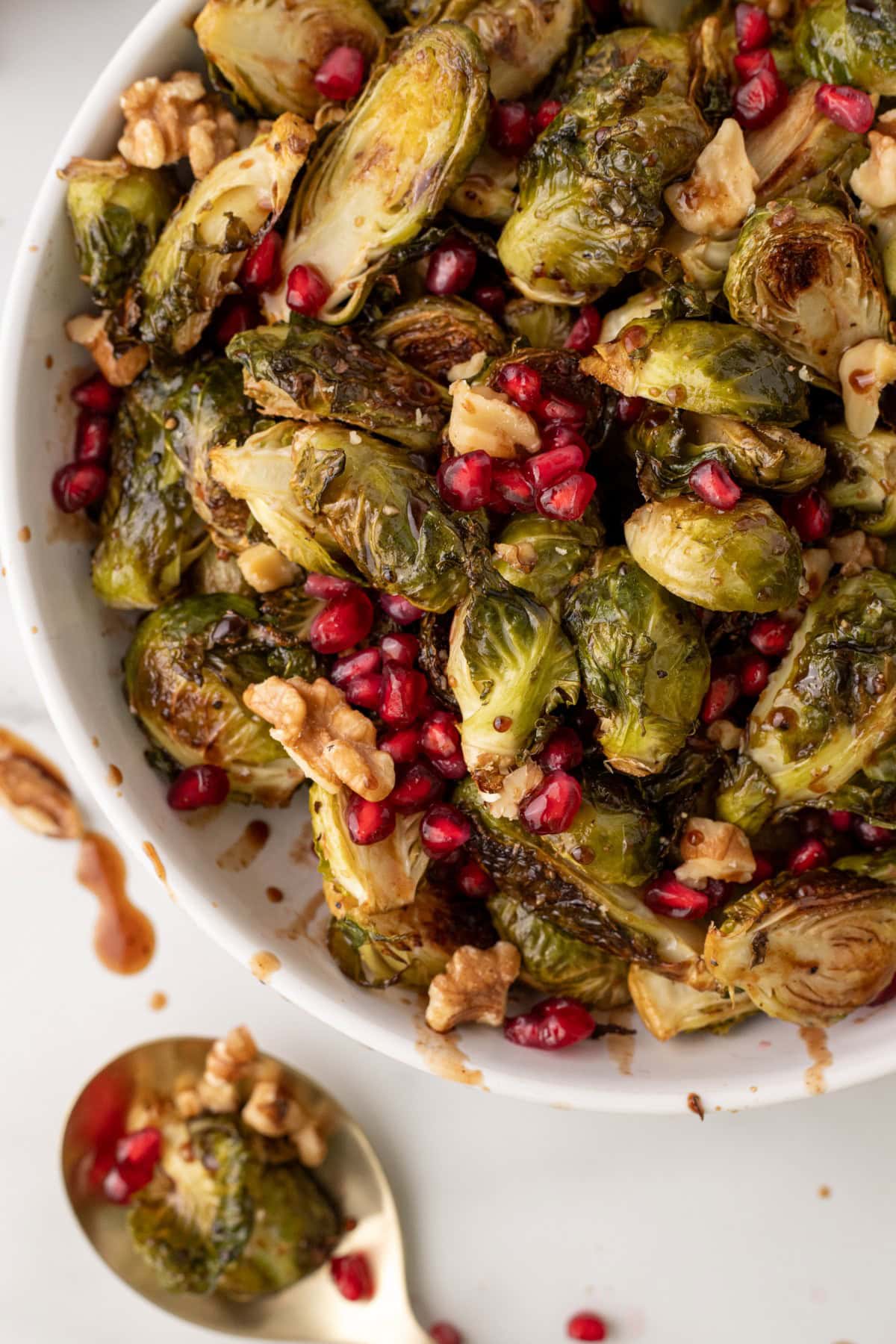
Brussels sprouts look like tiny cabbages growing along a thick stalk. When roasted, they develop crispy edges and a sweet, nutty flavor. They can also be sautéed, shredded into salads, or cooked with bacon, balsamic glaze, or Parmesan for extra crispiness and flavor.

Kale is a leafy green vegetable available in curly, dinosaur (lacinato), and baby varieties. It has a hearty texture and slightly earthy flavor. Kale is popular in salads, soups, smoothies, casseroles, and baked kale chips. Massaging raw kale with your hands before dressing helps soften the leaves.
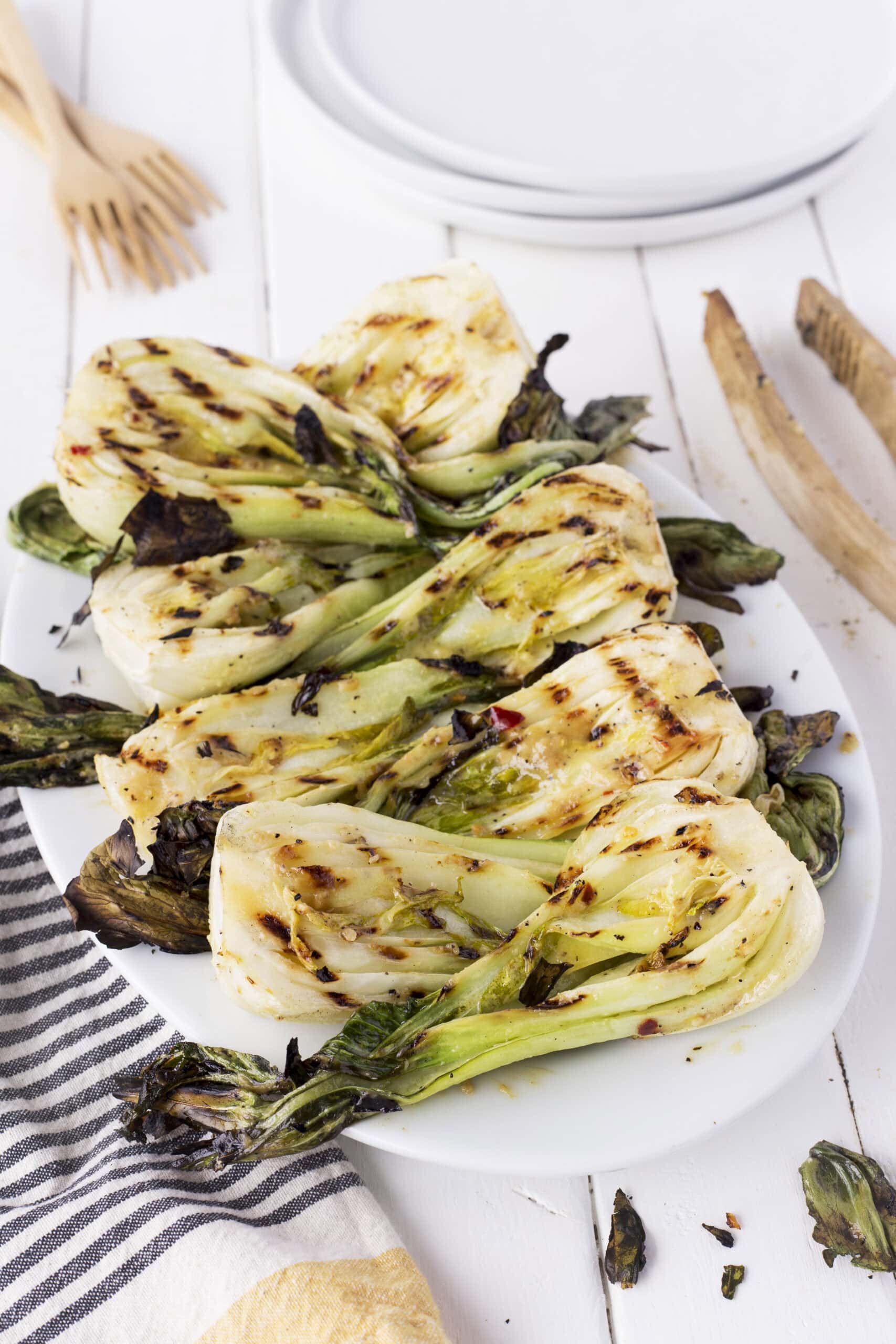
Bok choy is a staple in many Asian dishes and has crisp white stalks with tender green leaves. It has a mild flavor somewhere between cabbage and spinach. Bok choy cooks quickly and works beautifully in stir-fries, soups, noodle dishes, steamed vegetable sides and grilled on the BBQ.
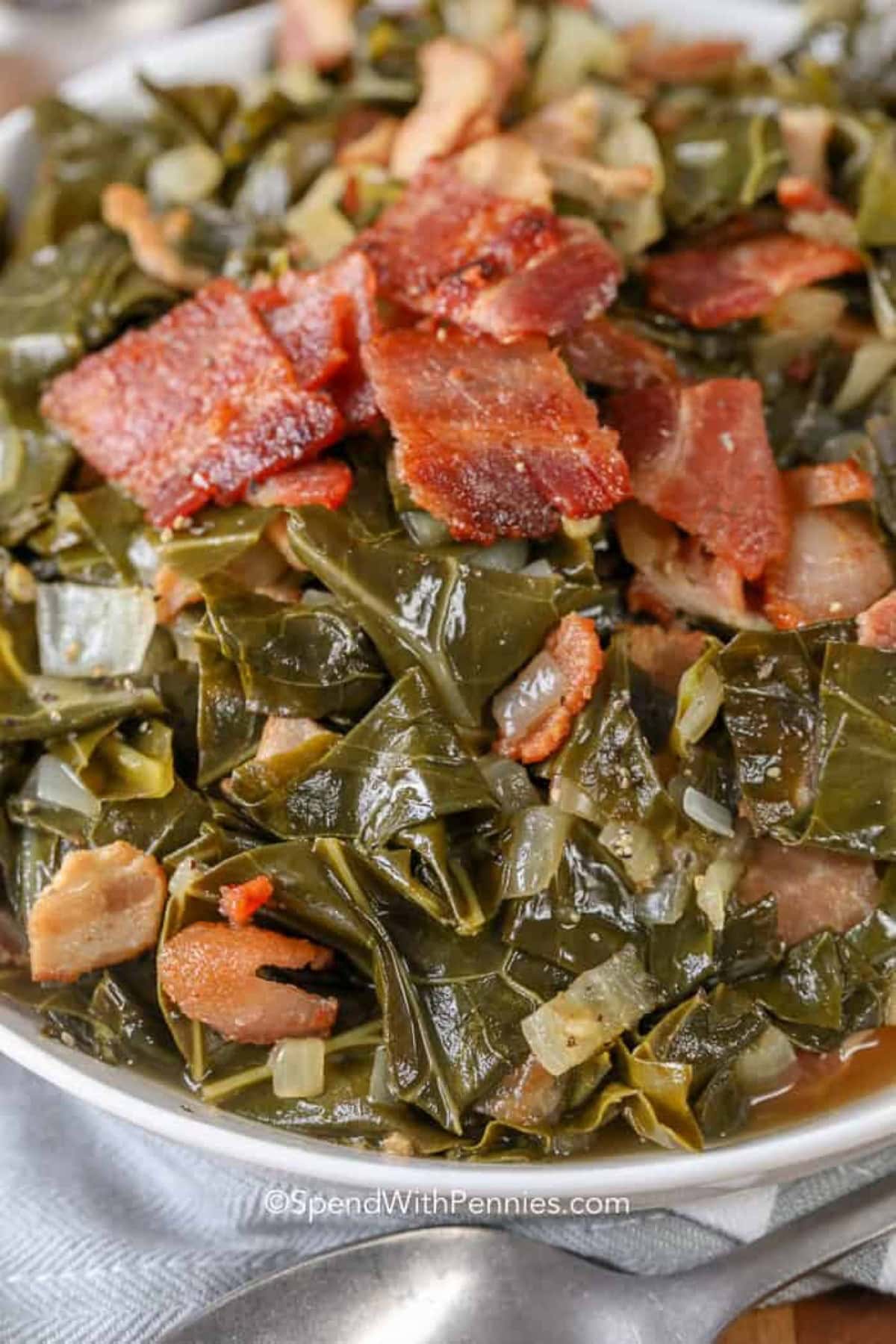
Another vegetable that you may not think of in this group is collard greens. They are large, sturdy leafy greens with a slightly earthy and mildly bitter flavor. They’re often slow-cooked Southern-style with broth, smoked meats, or seasonings, but can also be sautéed or used as wraps in place of tortillas.
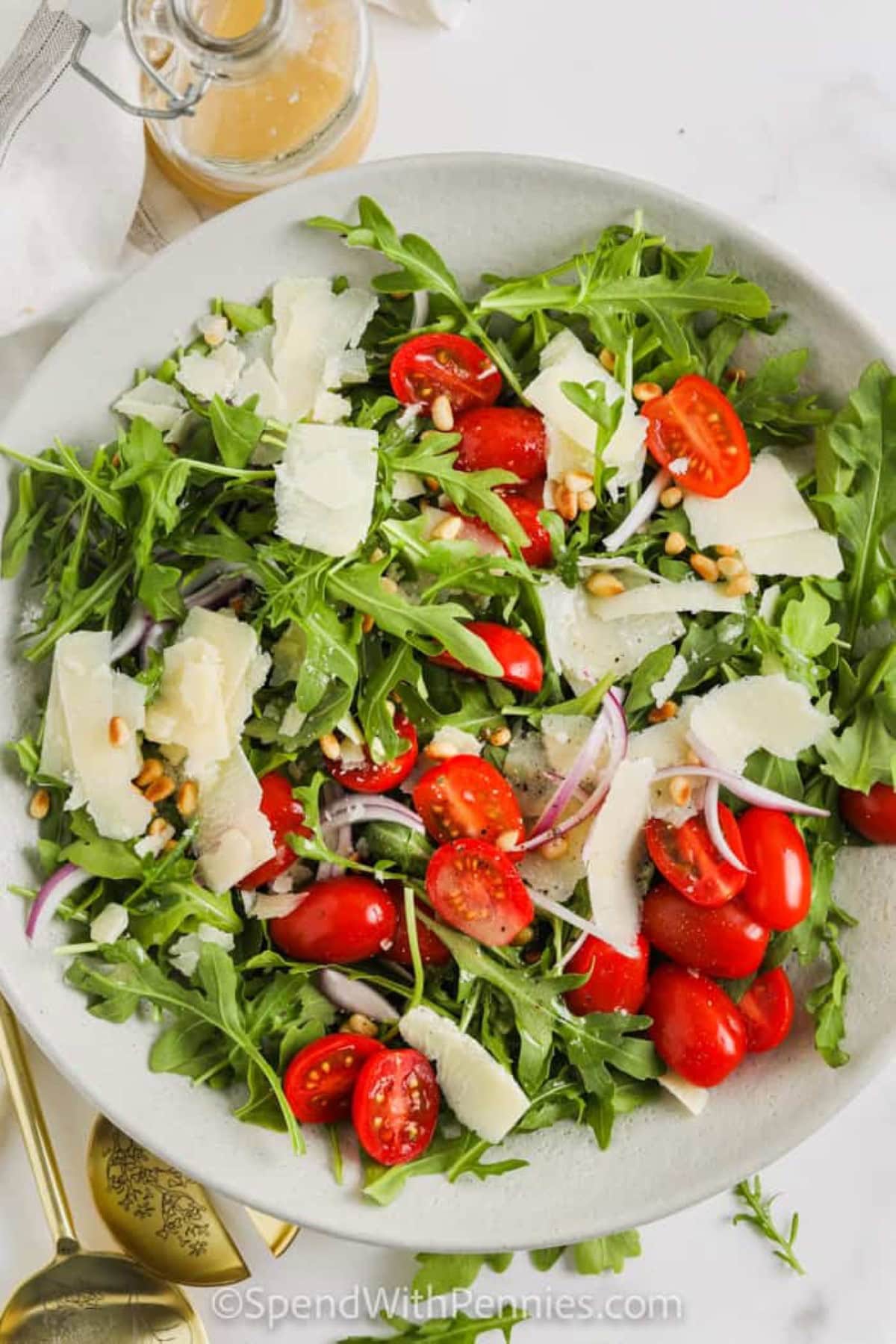
Arugula is a tender leafy green with a peppery, slightly spicy flavor. It’s commonly used in salads, sandwiches, pizzas, and pasta dishes. Because of its bold taste, arugula pairs especially well with lemon, Parmesan cheese, olive oil, and balsamic vinegar.

Turnips are root vegetables with white flesh and purple or white skin. Smaller turnips tend to be sweeter and milder, while larger ones can be more peppery. They can be roasted, mashed, boiled, or added to soups and stews. Turnip greens are also edible and nutritious.

Rutabaga is larger and sweeter than a turnip, with yellow flesh and a slightly earthy flavor. It becomes soft and mildly sweet when roasted or mashed. Rutabaga is often used in soups, casseroles, roasted vegetable dishes, and traditional comfort food recipes.

Radishes are crisp root vegetables with a peppery bite. Red radishes are the most common, but there are many varieties including daikon and watermelon radishes. Radishes are often eaten raw in salads, but roasting them creates a milder, sweeter flavor.

Kohlrabi is a crisp, juicy vegetable with a mild, slightly sweet flavor often compared to a mix of cabbage and broccoli stems. It can be eaten raw or cooked and has a refreshing crunch that works beautifully in slaws and salads. When roasted or sautéed, kohlrabi becomes tender and slightly sweeter. Both the bulb and leafy greens are edible, making it a versatile and nutritious member of the cabbage family.
Are Cruciferous Vegetables Healthy?
Yes! Cruciferous vegetables are considered some of the healthiest vegetables you can eat.
They contain:
- Fiber
- Vitamin C
- Vitamin K
- Folate
- Antioxidants
Many are also low in calories while being very filling and nutritious.
Popular Ways to Cook Cruciferous Vegetables
These vegetables can be:
- Roasted
- Steamed
- Stir-fried
- Grilled
- Fermented
- Eaten raw in salads or slaws
Cooking methods can greatly change their flavor. Roasting, for example, often brings out natural sweetness.
Final Thoughts
The cabbage family includes a wide variety of flavorful, healthy vegetables like broccoli, cauliflower, kale, Brussels sprouts, cabbage, and more. Whether roasted, sautéed, or served fresh, these versatile vegetables are a delicious way to add nutrition and texture to everyday meals.








Let us know what you think!
We’d love to know what you and your family think! Make sure to leave a review below and follow us on your favorite social network!