If you’ve ever wondered What are Fava Beans, you’re definitely not the only one. I used to walk right past them at the store and think what even are those chunky green pods? Turns out, they’re way less complicated than they look, and honestly, kind of fun once you get into them.
Fava beans, also called broad beans, come from the plant Vicia faba. People have been growing and eating them forever. We’re talking thousands of years. They’re one of those foods that quietly stuck around. Want to learn more about beans then have a look at Types of Beans – Name That Bean.
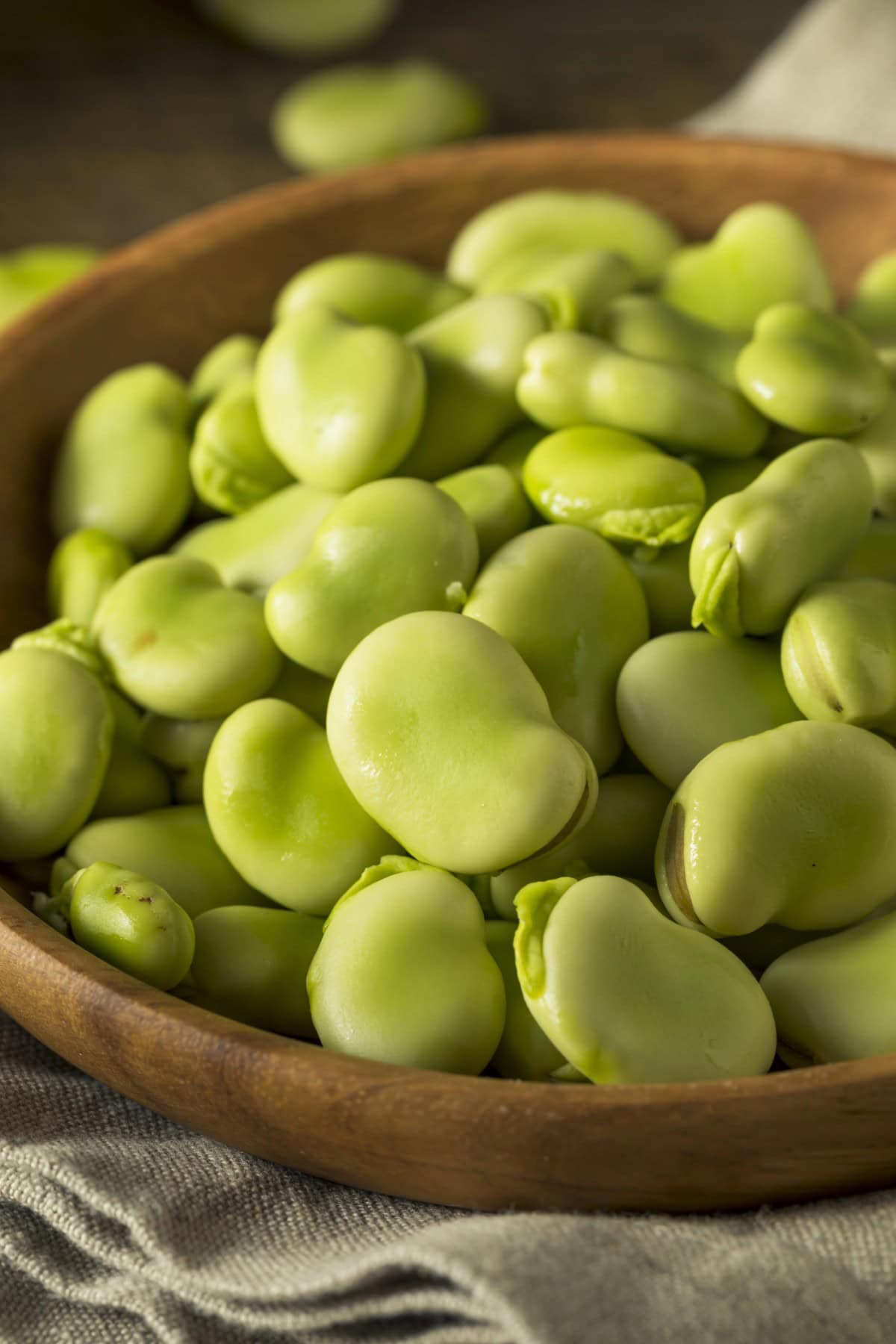
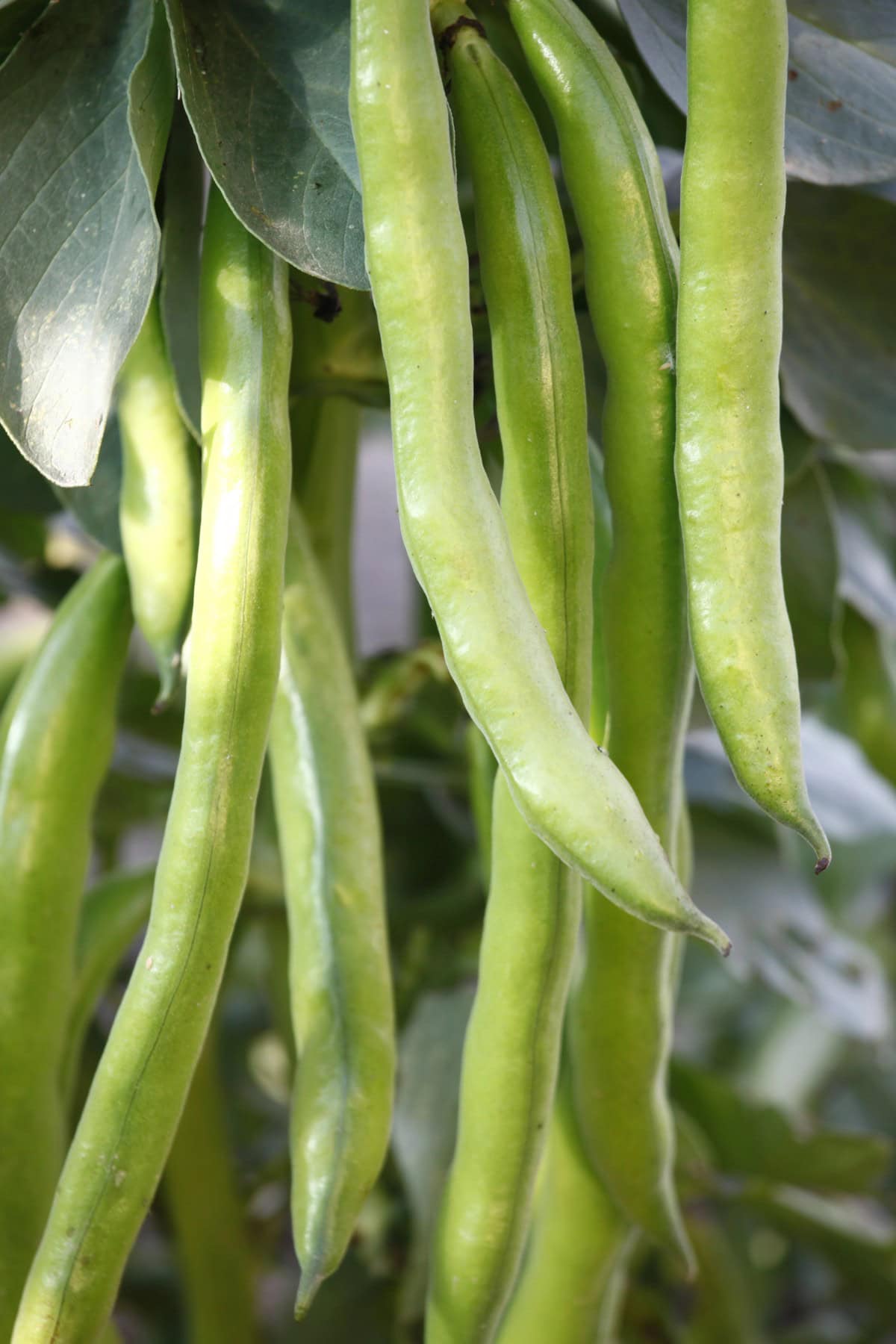
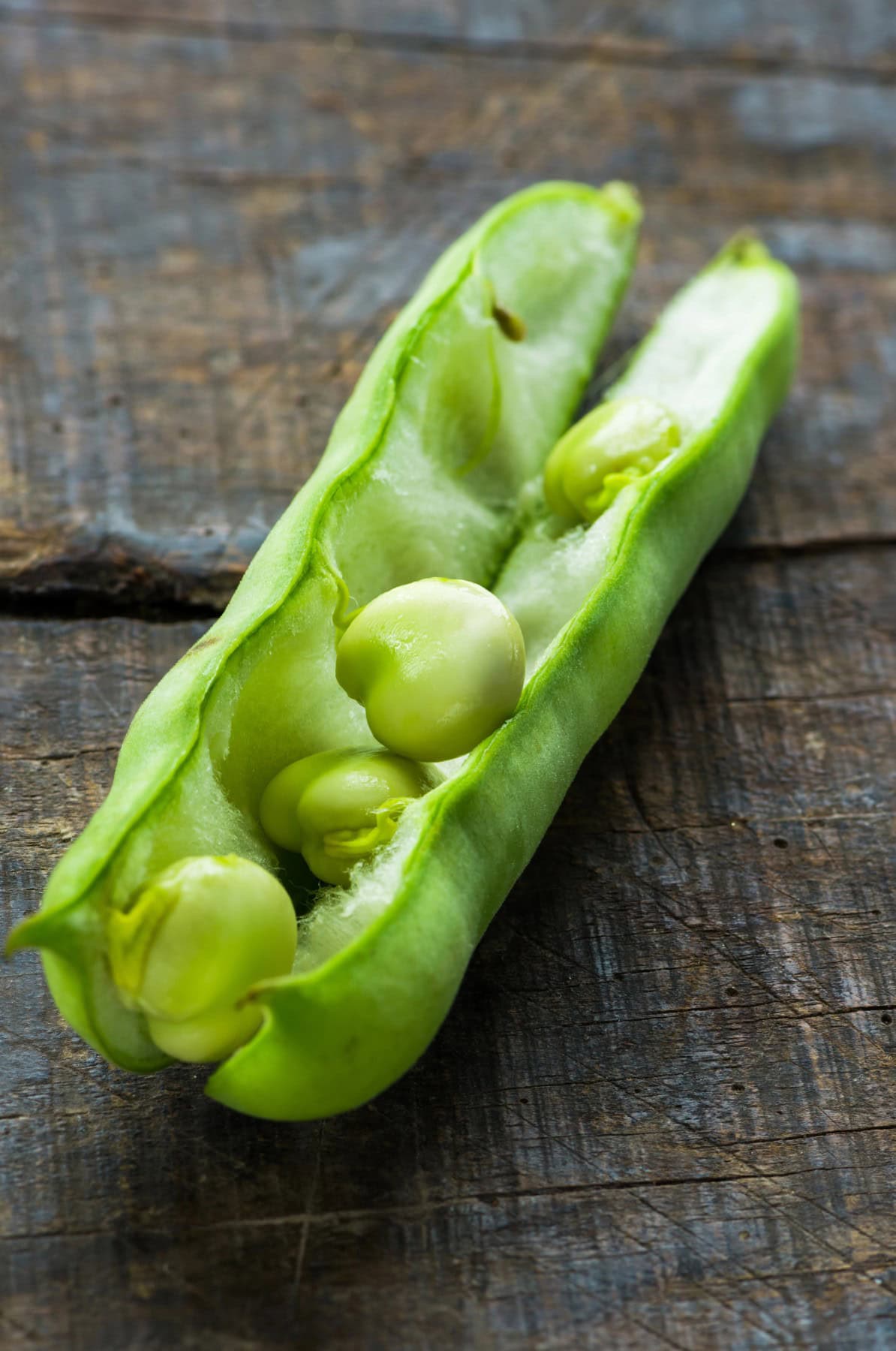
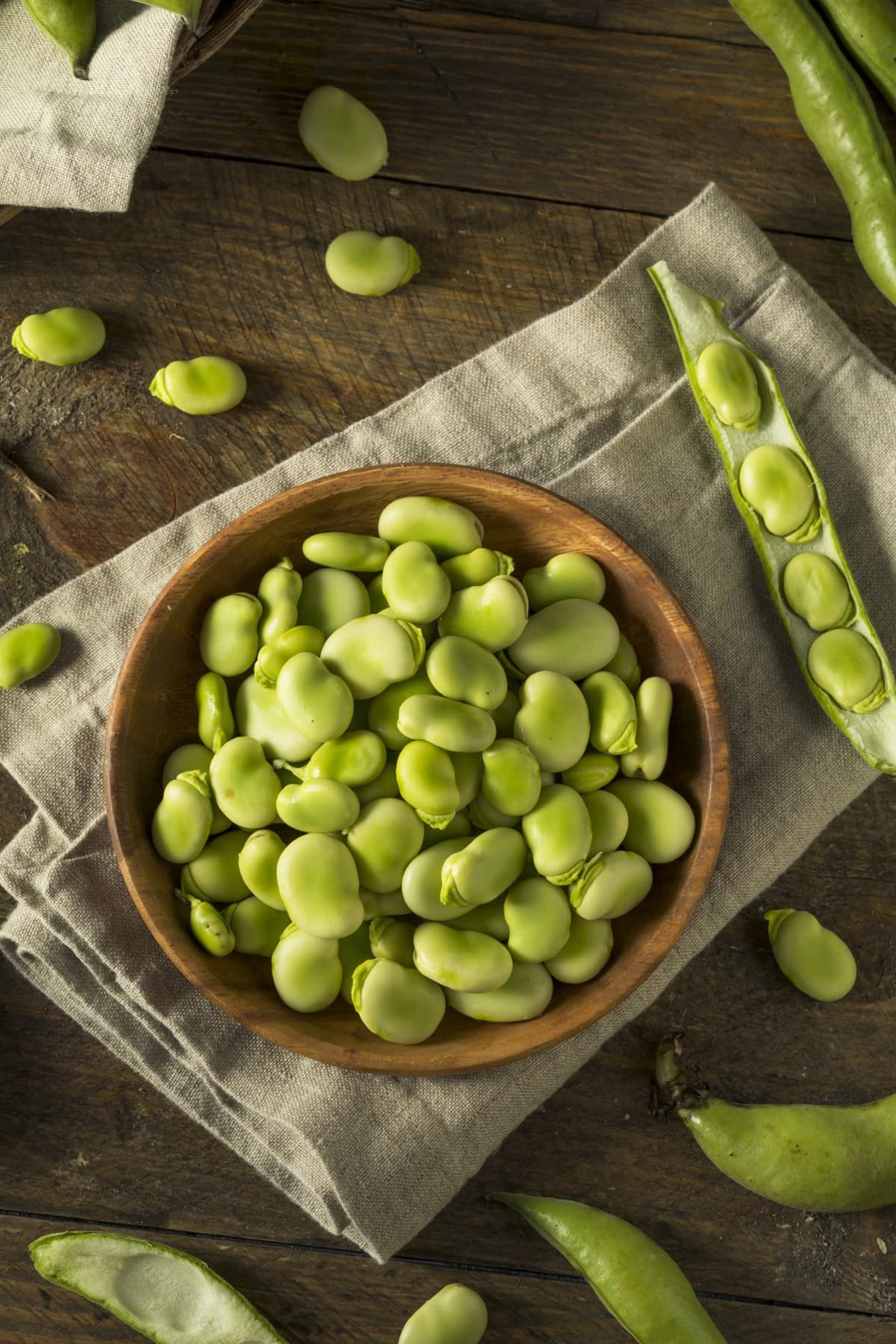
They grow inside thick green pods, and inside those pods are the tender seeds we actually eat. Once you get past the outer shell and sometimes the inner skin, you’re left with a buttery, slightly sweet bean that works in all kinds of dishes.
Table of Contents
Fava Beans – The Polynym Pulse
Here’s where things get a little confusing, but also kind of interesting. Fava beans go by a lot of names. You might hear them called:
- faba beans
- horse beans
- even just broad or fava
All of these names refer to the same plant, just used in different regions or contexts. That’s why they’re often described as a “polynym pulse”, which basically means one ingredient with many names. The word “pulse” means edible seeds from the legume family, including beans, peas, chickpeas and lentils.
The seed inside the pod is what’s eaten, and depending on how young they are, they can be enjoyed raw or cooked.
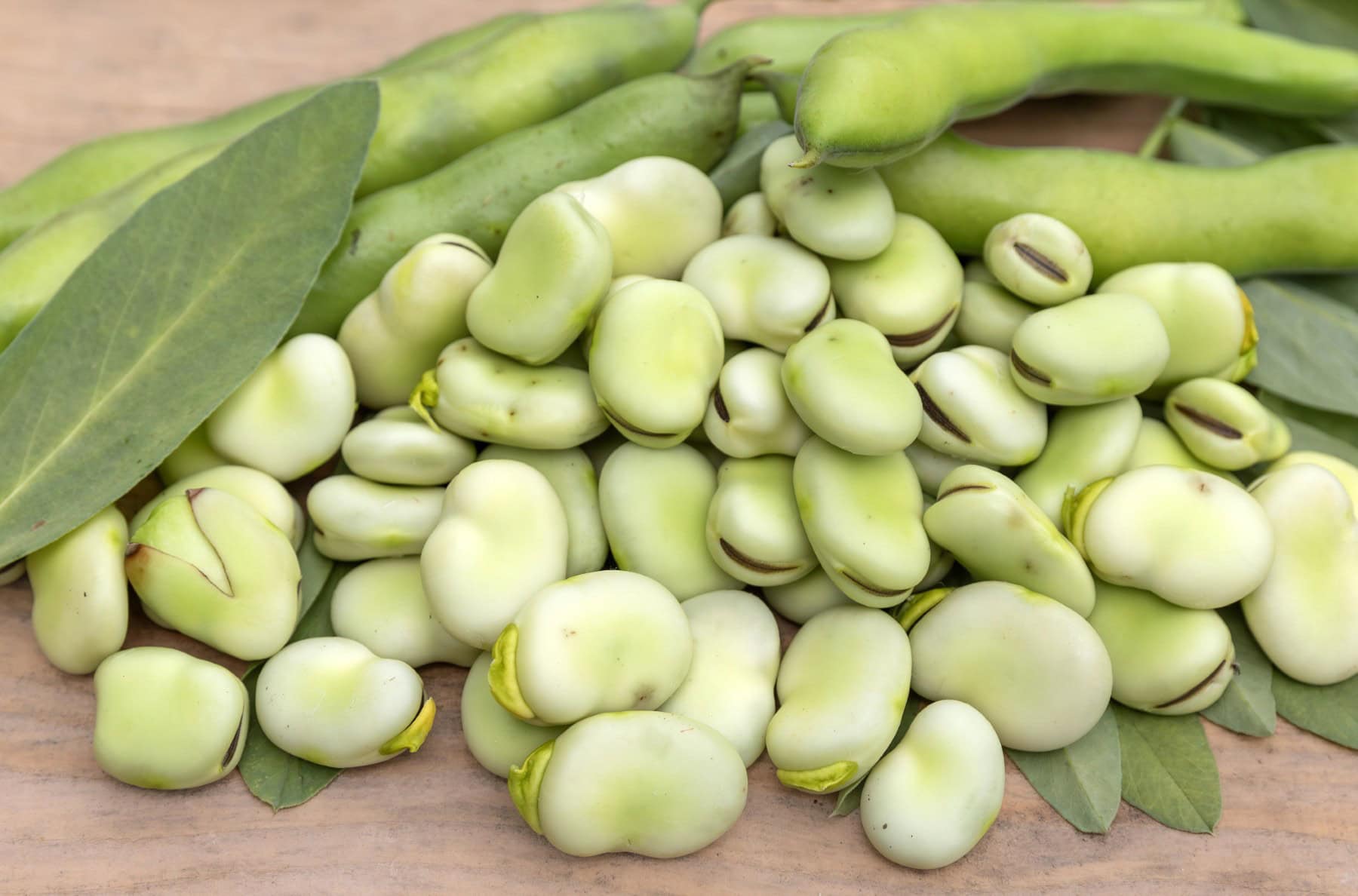
Are Fava Beans And Broad Beans The Same Thing?
Yes. Same bean, different name. “Fava” is commonly used in the U.S., while “broad bean” is more popular in the U.K. and other parts of the world. Either way, you’re talking about the same green seed from the same plant.
You’ll usually find them:
- fresh in pods (spring is peak season)
- dried and split
- canned or frozen
Fresh ones have a bright, grassy flavor. Dried ones are more earthy and hearty once cooked.
A Short History of Fava Beans
Fava beans have a serious history behind them. They’ve been used as a staple food since around 6000 BCE. Archaeologists have found evidence of faba bean cultivation in the Mediterranean and Middle East, where they were a major source of protein.
Back in the day, they weren’t just eaten. They were also:
- used in rituals
- associated with different cultural beliefs
- even avoided by some groups entirely
Today, thankfully, we mostly just enjoy them in a good dish.
Packed with Nutrients
Fava beans contain important vitamins and minerals like:
- Folate (great for cell health)
- Iron (supports energy levels)
- Magnesium & potassium (important for heart health)
They are also:
- Low in fat
- Cholesterol-free
- Nutrient-dense
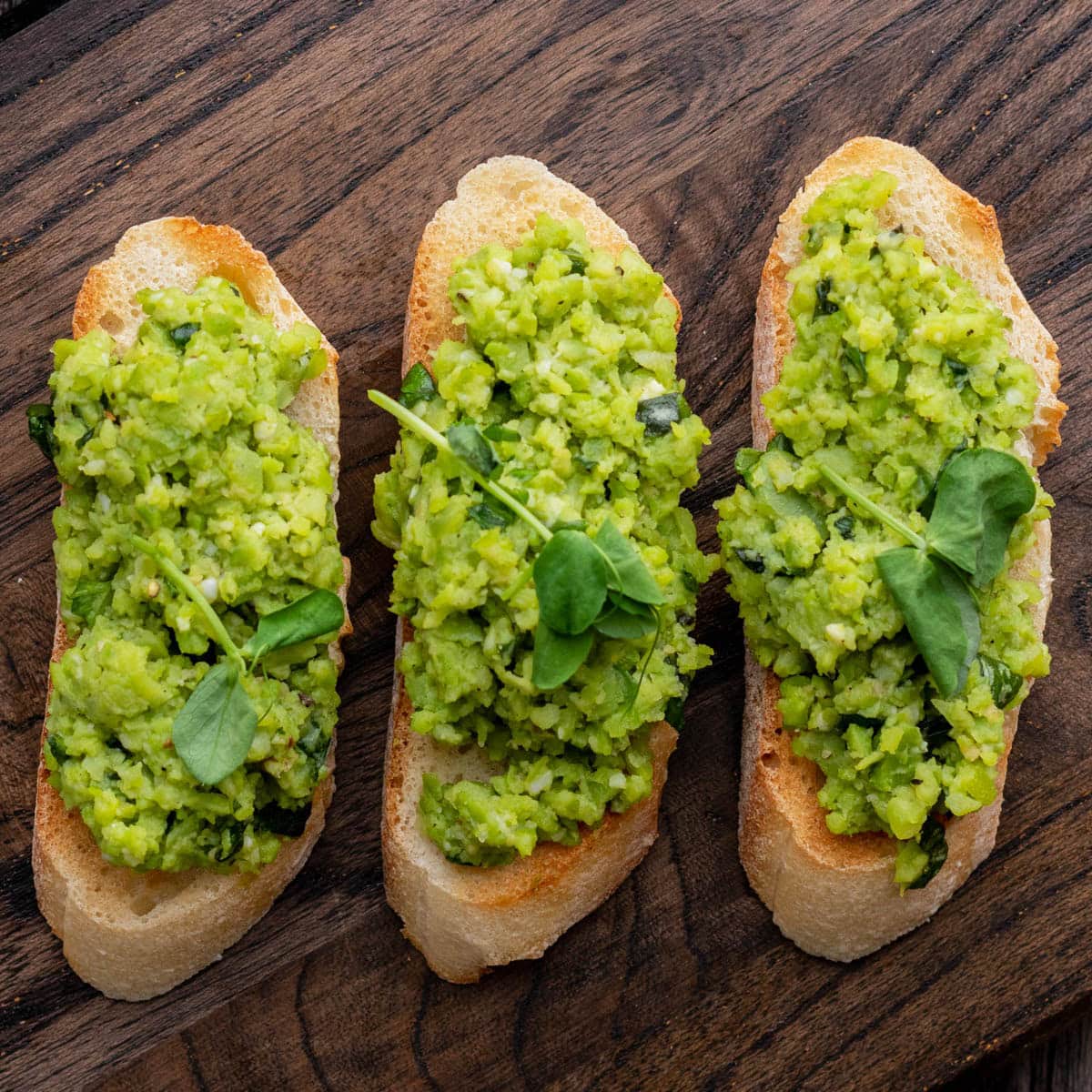
Photo courtesy of Dish ‘n’ The Kitchen, Fava Bean Crostini recipe.
Coming Home For Christmas Beans
Okay, this heading sounds festive for a reason, because fava beans really do show up in comfort-style meals.
In many cultures, especially around the holidays, these beans are part of traditional dishes. Think:
- hearty stews with olive oil
- mashed fava spreads
- rustic soups with herbs and vegetables
They’re rich, filling, and honestly kind of underrated. If you’ve never tried them, a simple way to start is to:
- boil fresh fava beans
- peel the outer skin
- toss them with olive oil, salt, and maybe a little garlic
What Do Fava Beans Taste Like
If I had to describe it in easy-to-understand terms, I would say they’re:
- slightly sweet
- a little nutty
- kind of like a cross between peas and lima beans
When they’re young, they’re soft and creamy. When they’re older or dried, they get more firm and hearty after being cooked.
How Are Fava Beans Used In Cooking?
Fava beans are super versatile, which is probably why they’ve stuck around for so long. They’re commonly:
- added to salads
- blended into dips
- stirred into pasta dishes
- served as a side dish
- mashed or pureed
One of the most popular preparations is a simple mash made with olive oil, garlic, and herbs. It’s rustic, comforting, and honestly feels like something your grandma would make.
So, What Are Fava Beans Really?
They’re an ancient, nutrient-packed bean from the plant Vicia faba, known by many names like broad beans, faba beans, and horse beans. They grow in thick pods, and the seeds inside are what we eat.
They’ve been used for centuries, show up in all kinds of global dishes, and once you try them, you’ll probably wonder why you didn’t start cooking with them sooner.

Let us know what you think!
We’d love to know what you and your family think! Make sure to leave a review below and follow us on your favorite social network!