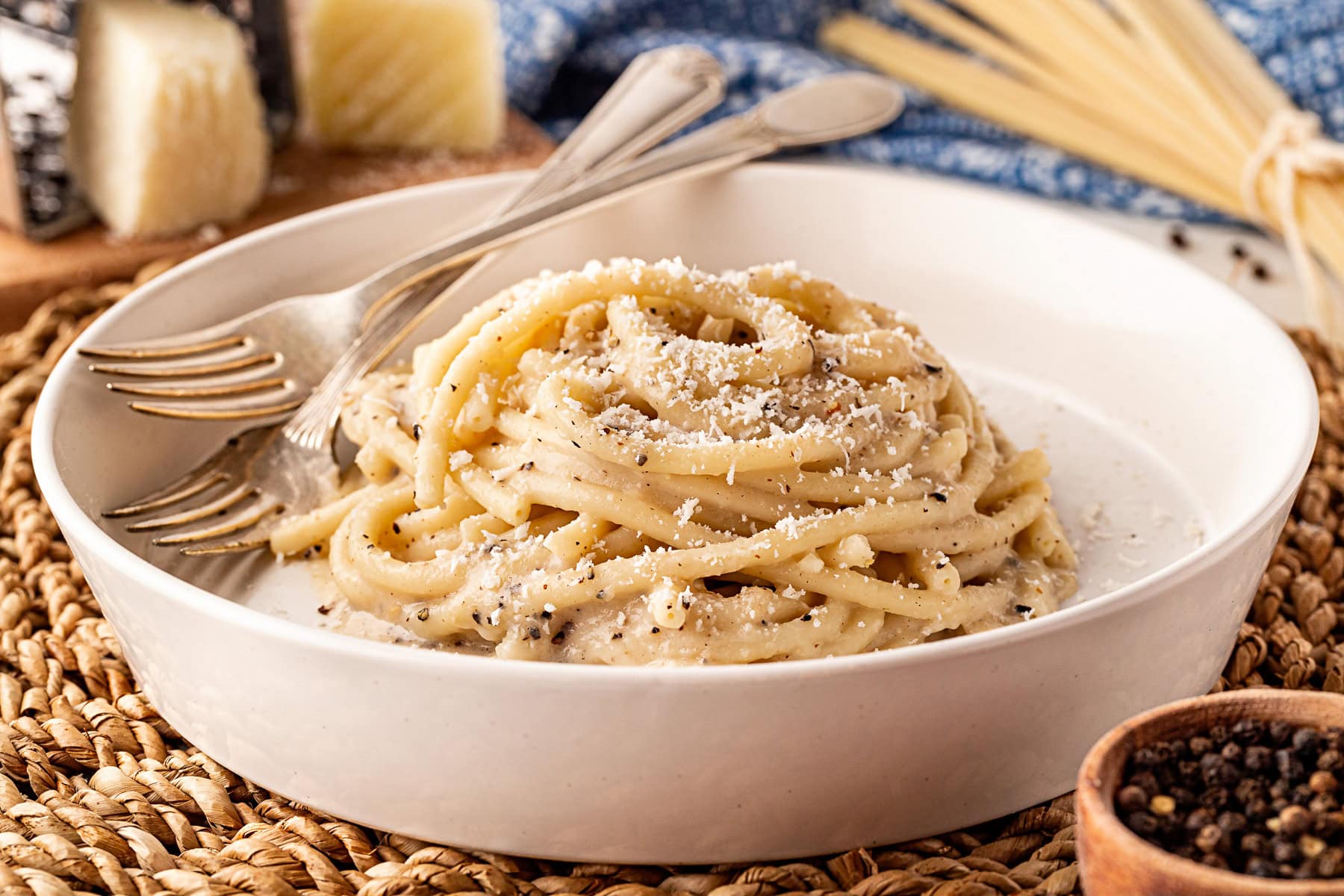
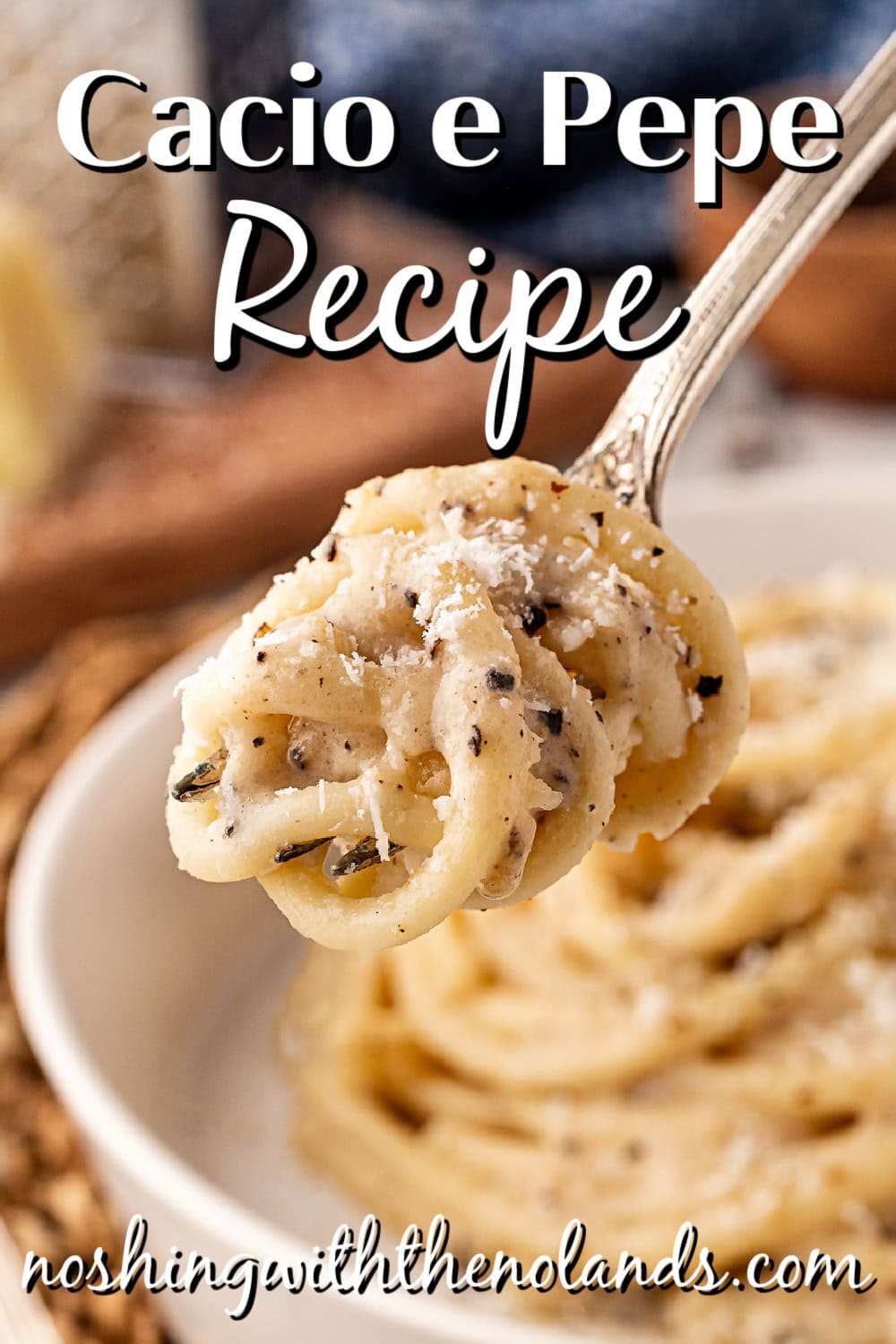
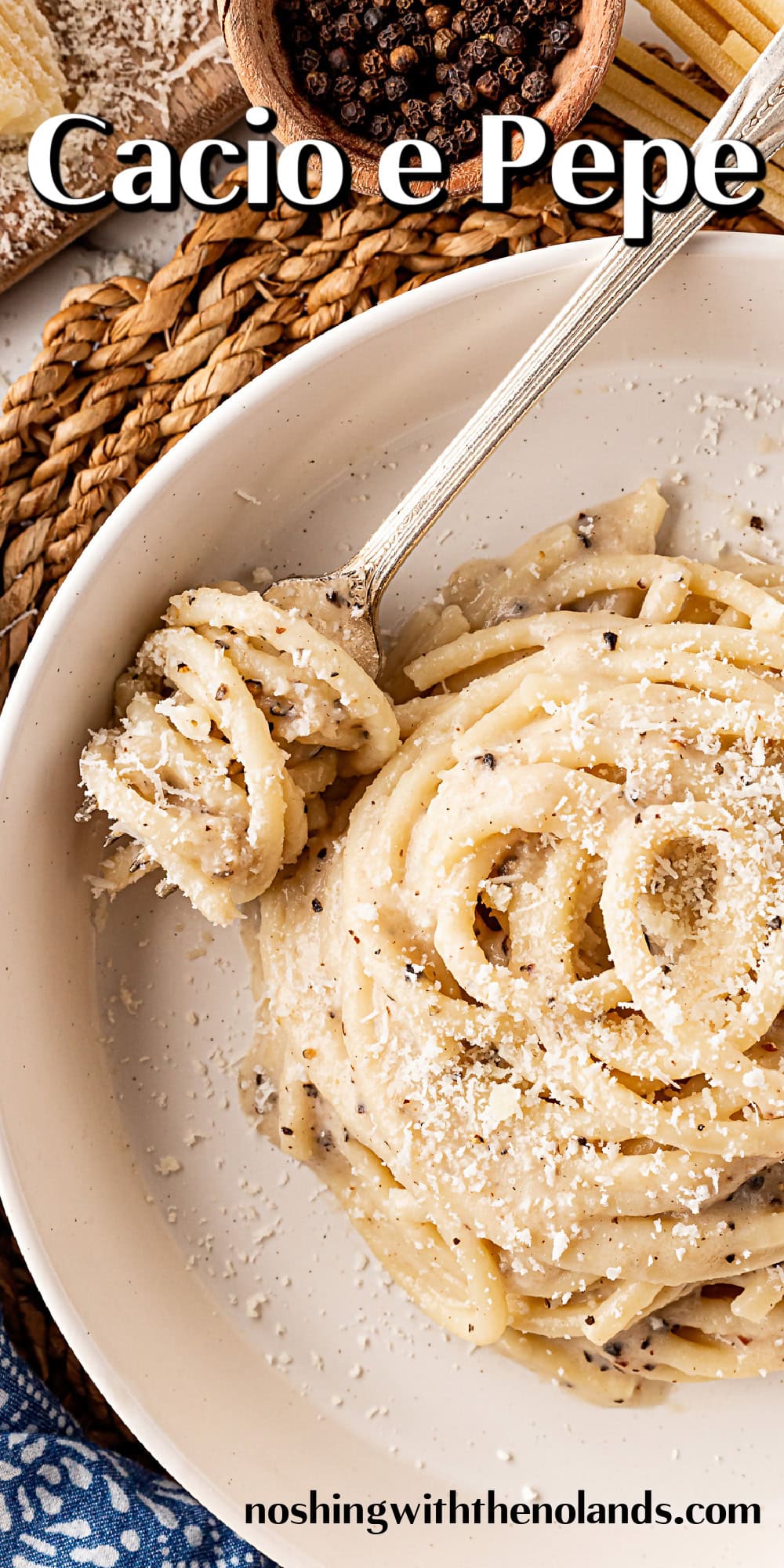
Cacio e Pepe is a classic Roman pasta dish made with just a few simple ingredients: pasta, Pecorino Romano cheese, and freshly cracked black pepper. This traditional Italian recipe proves that simple ingredients can create bold, unforgettable flavor. Creamy, cheesy, and perfectly peppery, authentic cacio e pepe is comfort food at its finest.
Love a quick pasta? Then you must try our Clam Linguine Pasta, Rosé Pasta Sauce, Paglia e Fieno or our Chicken Sausage Pasta. These both have so much flavor with very few ingredients.
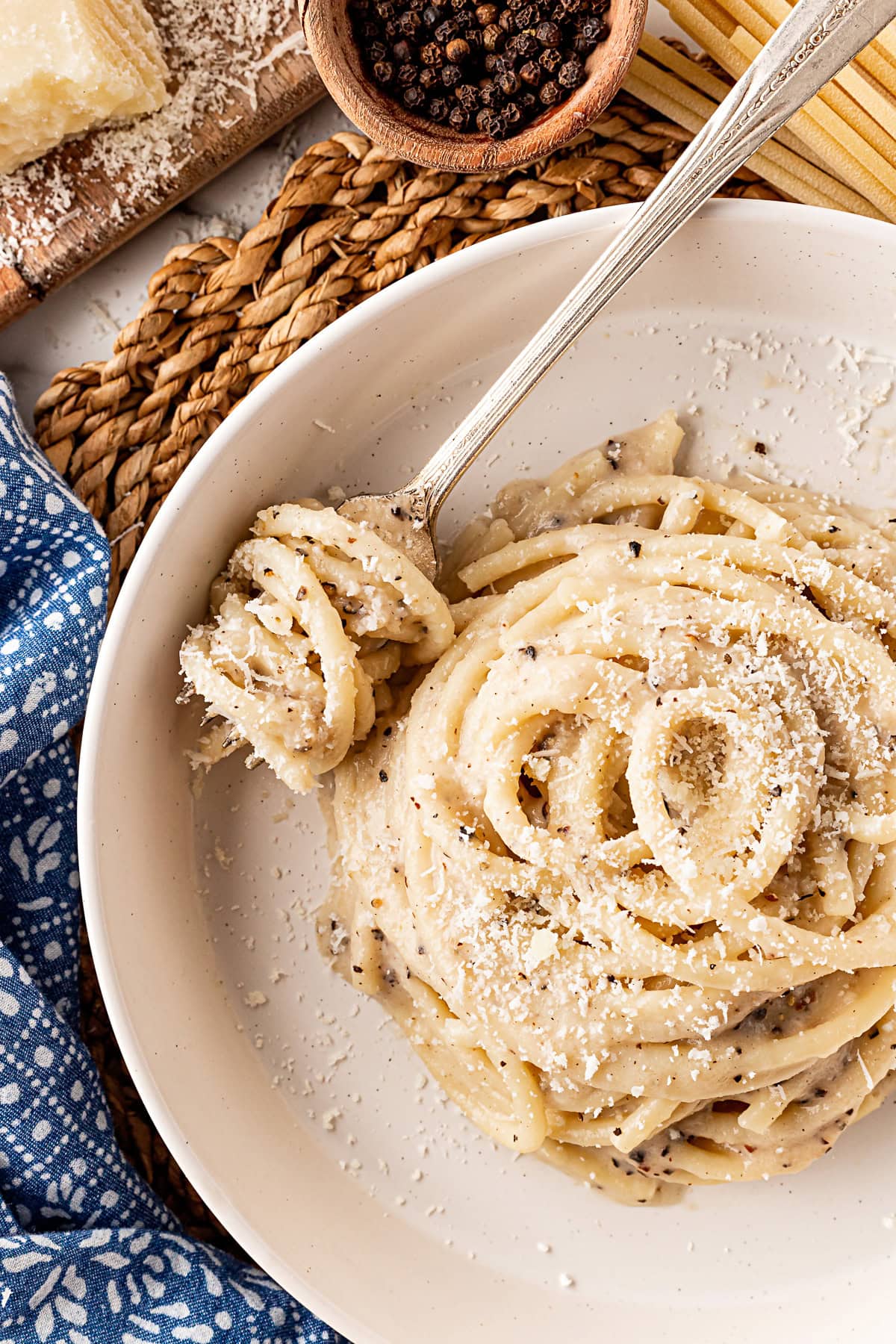
Cacio e Pepe is a classic Italian dish made with just three main ingredients: pasta, Pecorino Romano cheese, and freshly cracked black pepper. Cacio = cheese and Pepe = pepper.
Why I Love This Recipe
- Very few ingredients
- Company worthy
- Very easy to make once the technique is learned
- Fast to make
- Bursting with flavor
Helpful Items For This Recipe
This post contains affiliate links. As an Amazon Associate, I earn a small portion from qualifying purchases at no extra charge to you.
2 Pcs 12-inch Cooking Tweezers Tongs Precision Serrated Tips, Stainless Steel
OXO Good Grips Contoured Mess-Free Pepper Grinder, Adjustable
Monograno Felicetti Matt Spaghetti Pasta Italian Organic Non-GMO 17.6oz (500g)
Cacio e Pepe Ingredients
Ingredients
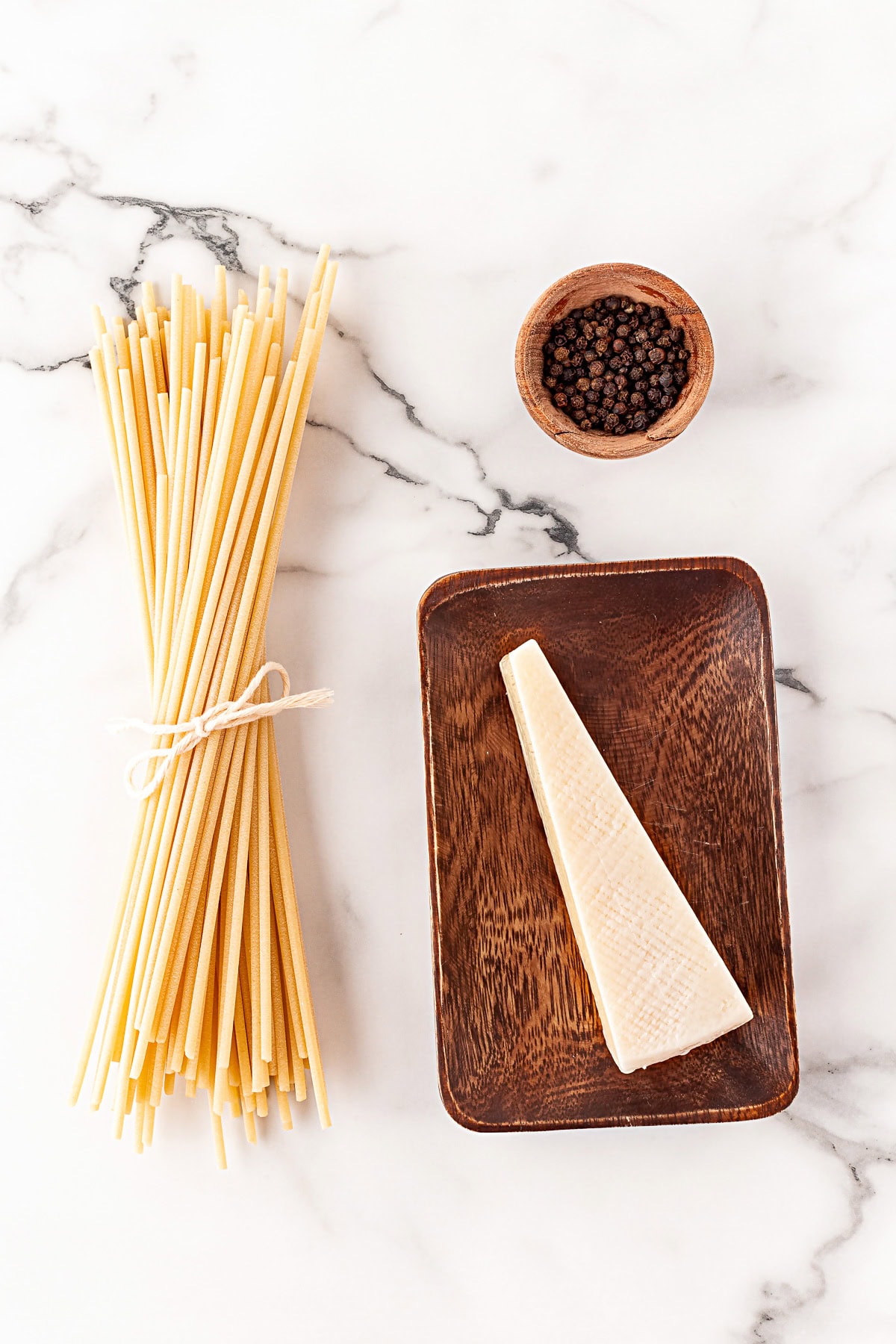
Uncooked pasta – I recommend a good quality Bucatini or spaghetti. I used De Cecco, which is widely available, but there are even better pastas out there. I have a Monograno spaghetti in the links for Amazon, too.
Freshly ground black pepper – This is a must for the best Cacio e Pepe, as it is the only seasoning.
Pecorino Romano cheese – You need to personally grate this cheese unless you get it from an Italian market that you trust won’t have caking agents in it. Plus more for garnish.
Pasta water – This is key to making a great Cacio e Pepe.
How to Make Cacio e Pepe
Grate the Pecorino Romano cheese. Use the “rasp” side of the box grater or the side with the tiniest holes. You want your cheese to be very finely grated. You could also use a zester if you don’t have a box grater available. Make sure you have extra for garnish, and, if you need it, for the sauce. Set the cheese aside.
Grind the black pepper and place it in a saucier pan or high-sided skillet. You can toast this if you like; that adds more flavor.
Add the pasta to a large pot of boiling water (do not salt the water) and cook as per the package directions or to your desired consistency. You want the pasta completely cooked, as it is not going to cook in the sauce.
Place 2 plates or pasta bowls in a warming drawer or warm oven. You must serve the pasta in a warm dish, or the cheese may seize.
When the pasta is almost finished cooking, spoon a 1/4 cup of the boiling pasta water into the saucier pan with the freshly ground black pepper. Rotate to warm the pan. DO NOT turn the heat on under the saucier pan; you only want it warm, not hot.
Once the pasta is cooked, transfer it directly into the saucier pan, add the 4 ounces of very finely grated cheese, and ladle 1/2 a cup of the hot pasta water on top.
Finishing The Pasta
Using a wooden spoon or a large pair of kitchen tweezers, vigorously mix the pasta, water, and cheese in the pan. The cheese should melt into the hot pasta water to form a creamy sauce. It may take 30 seconds to a minute of vigorous mixing for the sauce to come together and for the pasta to be nicely coated with the sauce. You can add a small amount of additional pasta water to loosen the sauce if needed, or more cheese if it is too loose.
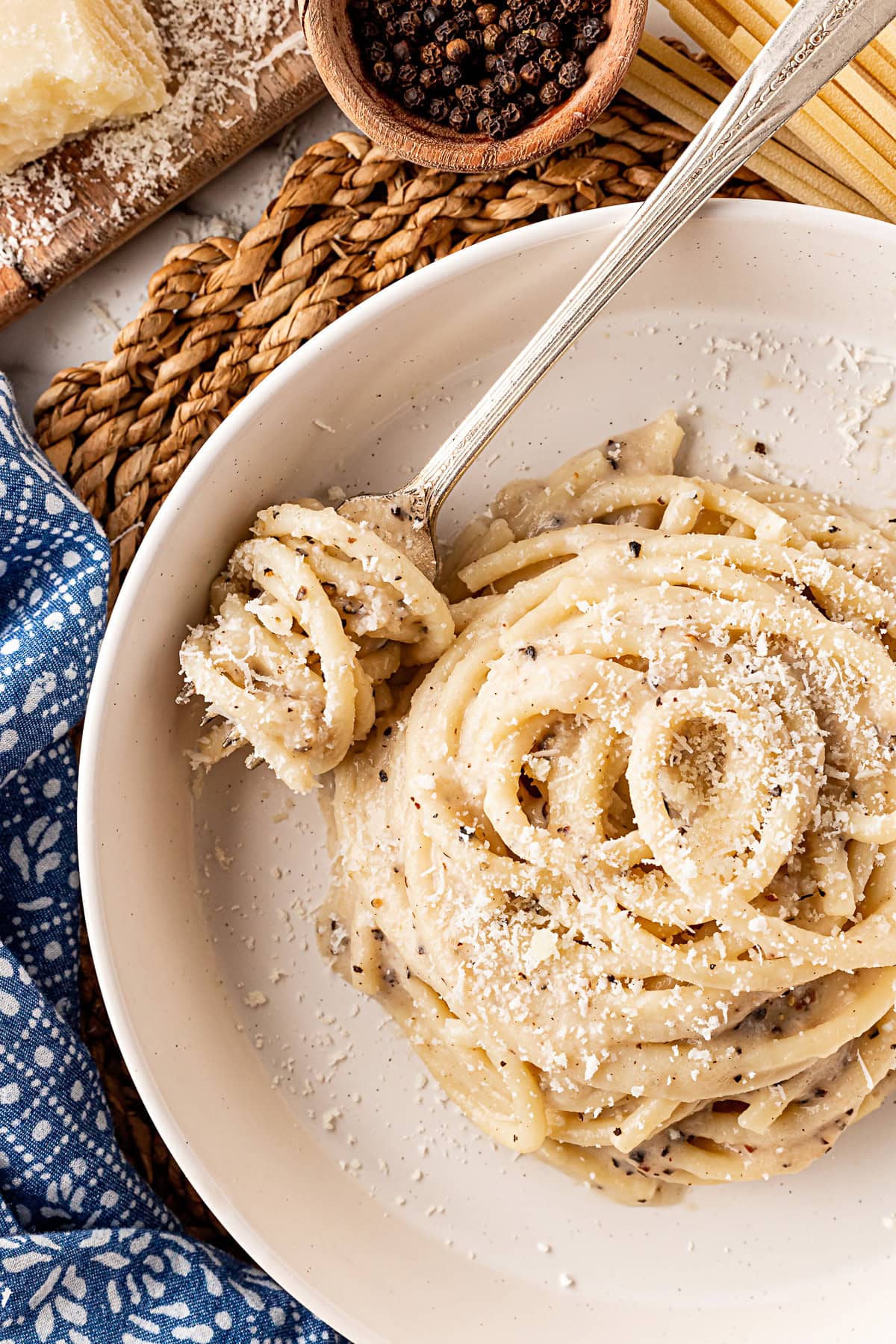
Once the sauce is nice and creamy, use the kitchen tweezers to twirl the pasta onto two warmed plates or pasta bowls. Garnish with a sprinkle of additional Pecorino Romano and serve immediately.
Recipe Pro Tips
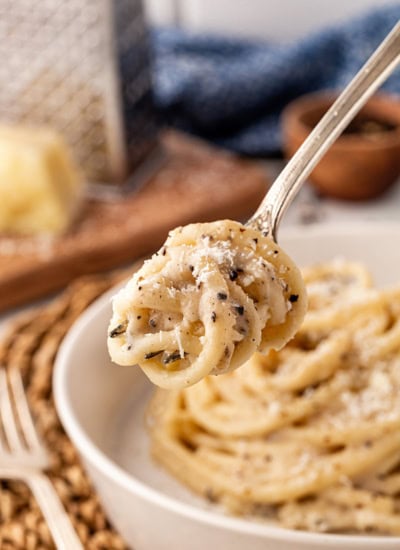
1. Use Finely Grated Pecorino Romano
Grate it very fine (microplane works best). Large shreds won’t melt smoothly and can clump. Use the rasp side of a box grater, the side you rarely, if ever, use.
2. Save Plenty of Pasta Water
The starchy pasta water is what creates the creamy emulsion. Don’t forget to reserve it before draining! Better yet, just leave it on the stove beside you and take the pasta from the pot into the skillet.
3. Toast the Black Pepper
Lightly toast freshly cracked pepper in a dry pan to release its aroma and deepen the flavor.
4. Turn the Heat off Before Adding Cheese
Too much heat will cause the cheese to seize and clump. Remove the pan from direct heat before mixing in the cheese.
5. Add Pasta Water Gradually
Stir in warm pasta water slowly while tossing to create a smooth, glossy sauce.
6. Salt Carefully
Pecorino Romano is salty, so taste before adding extra salt to the pasta water or sauce. I don’t use any extra salt, and the pasta water isn’t salted either.
7. Work Quickly
The sauce comes together fast; toss continuously so it emulsifies instead of separating.
8. Use the Right Pasta
Spaghetti or buccatini are traditional because their shape holds the sauce beautifully. Use a high-quality pasta that isn’t smooth to hold the sauce.
9. Serve Immediately
Cacio e Pepe is best enjoyed right away while the sauce is creamy and glossy.
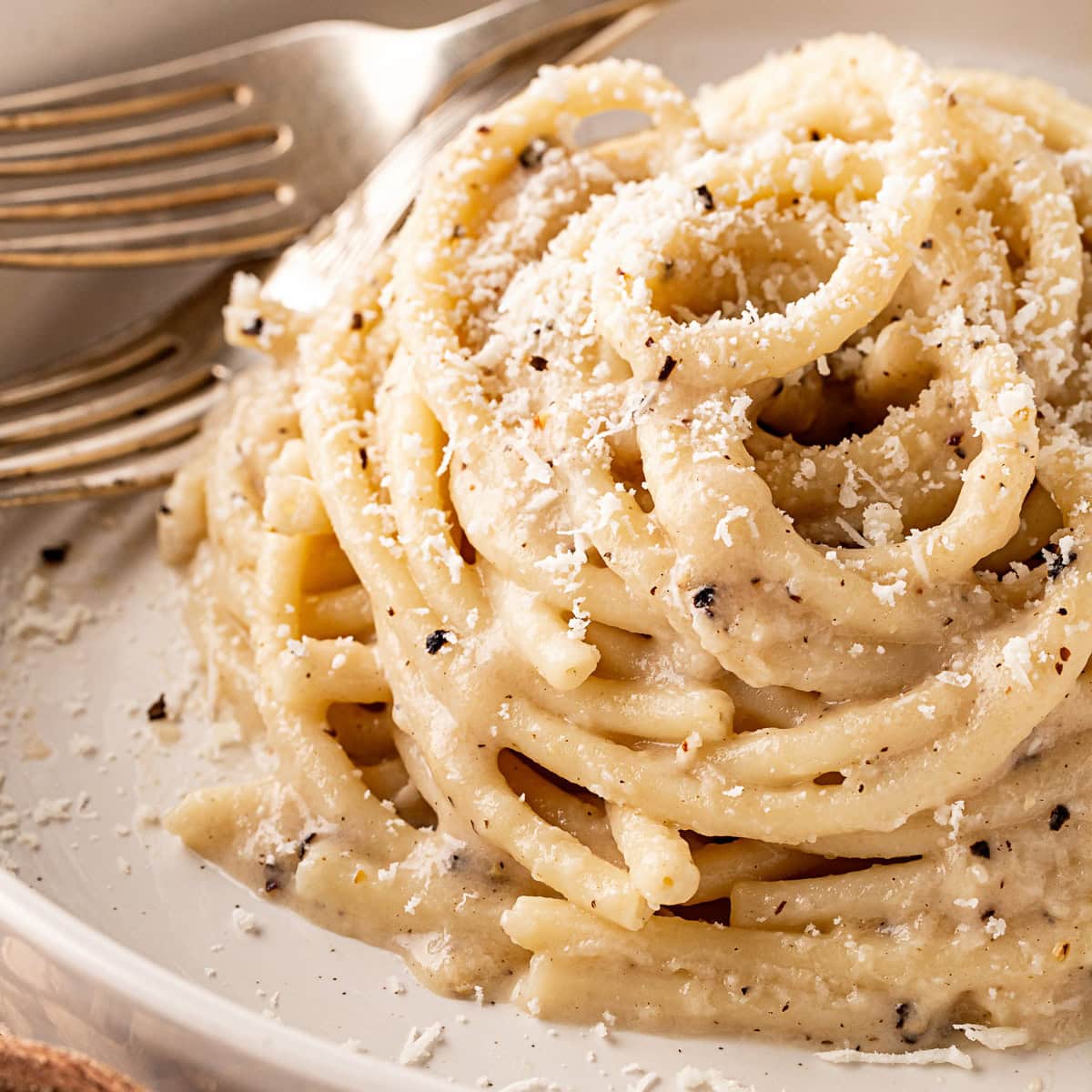
Turn the plate to twirl the pasta; don’t twirl the pasta on a stationary plate.
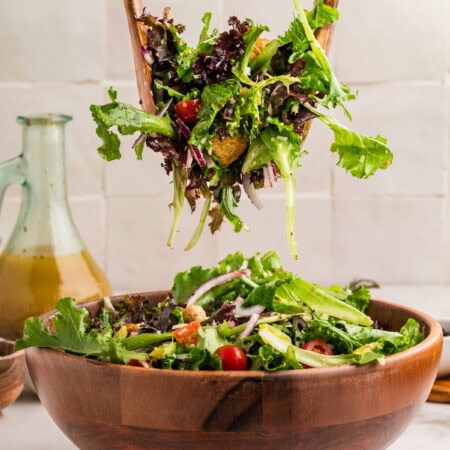
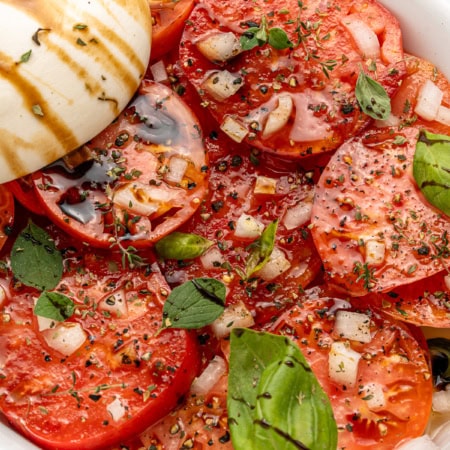
WHAT TO SERVE WITH CACIO E PEPE?
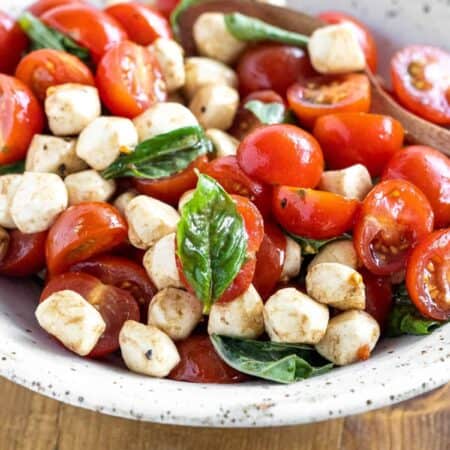
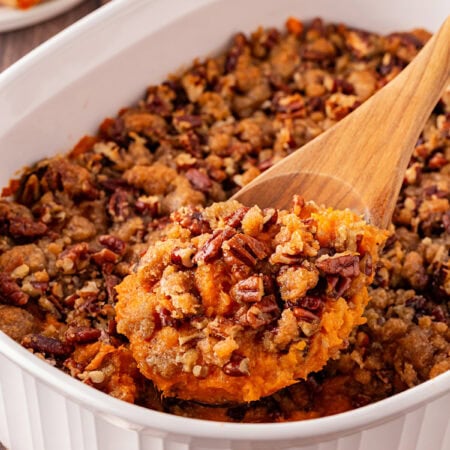
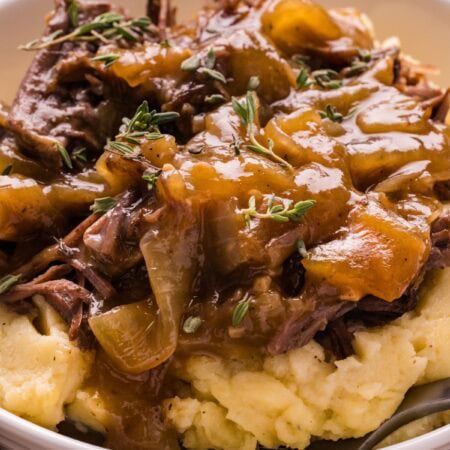
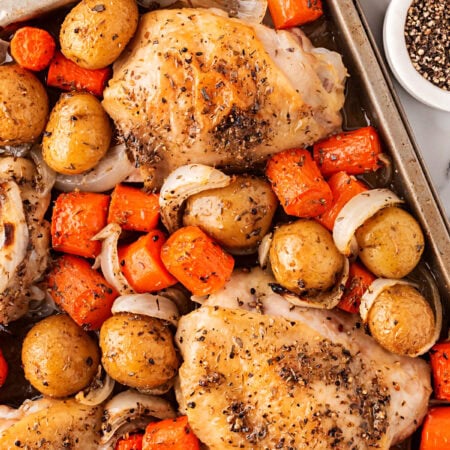
This is a very simple meal, and you need something to go with it. Have it completely ready before making the pasta. Here are some that we love.

Cacio e Pepe Recipe
Video
Ingredients
- 8 ounces pasta I recommend a good quality Bucatini or spaghetti
- 1 1/2 tsp freshly ground black pepper
- 4 ounces Pecorino Romano cheese very finely grated, plus more for garnish
- 1 cup pasta water
Instructions
- Grate the Pecorino Romano cheese. Use the “rasp” side of the box grater or the side with the tiniest holes. You want your cheese to be very finely grated. You could also use a zester if you don’t have a box grater available. Make sure you have extra for garnish and, if you need it, for the sauce. Set the cheese aside.
- Grate the black pepper and place it in a saucier pan or high-sided skillet. You can toast this if you like.
- Add the pasta to a large pot of boiling water (do not salt the water) and cook as per the package directions or to your desired consistency. You want the pasta completely cooked, as it is not going to cook in the sauce.
- Place 2 plates or pasta bowls in a warming drawer or warm oven. You want to serve the pasta in a warm dish.
- When the pasta is almost finished cooking, spoon a 1/4 cup of the boiling pasta water into the saucier pan with the freshly ground black pepper. Rotate to warm the pan. DO NOT turn the heat on under the saucier pan; you only want it warm, not hot.
- Once the pasta is cooked, transfer it directly into the saucier pan, add the 4 ounces of very finely grated cheese and ladle 1/2 a cup of the hot pasta water on top.
- Using a wooden spoon or a large pair of kitchen tweezers, vigorously mix the pasta, water, and cheese in the pan. The cheese should melt into the hot pasta water to form a creamy sauce. It may take 30 seconds to a minute of vigorous mixing for the sauce to come together and for the pasta to be nicely coated with the sauce. You can add a small amount of additional pasta water to loosen the sauce if needed, or more cheese if it is too loose.
- Once the sauce is nice and creamy, use the kitchen tweezers to twirl the pasta onto two warmed plates or pasta bowls. Garnish with a sprinkle of additional Pecorino Romano and serve immediately.
Equipment


Notes
Nutrition
Informational video that was very helpful, Not Another Cooking Show.





Comments & Reviews
Shelley says
So delicious !!!Will be a new favourite!!Thanks
Tara Noland says
So glad you tried that and you loved it!!