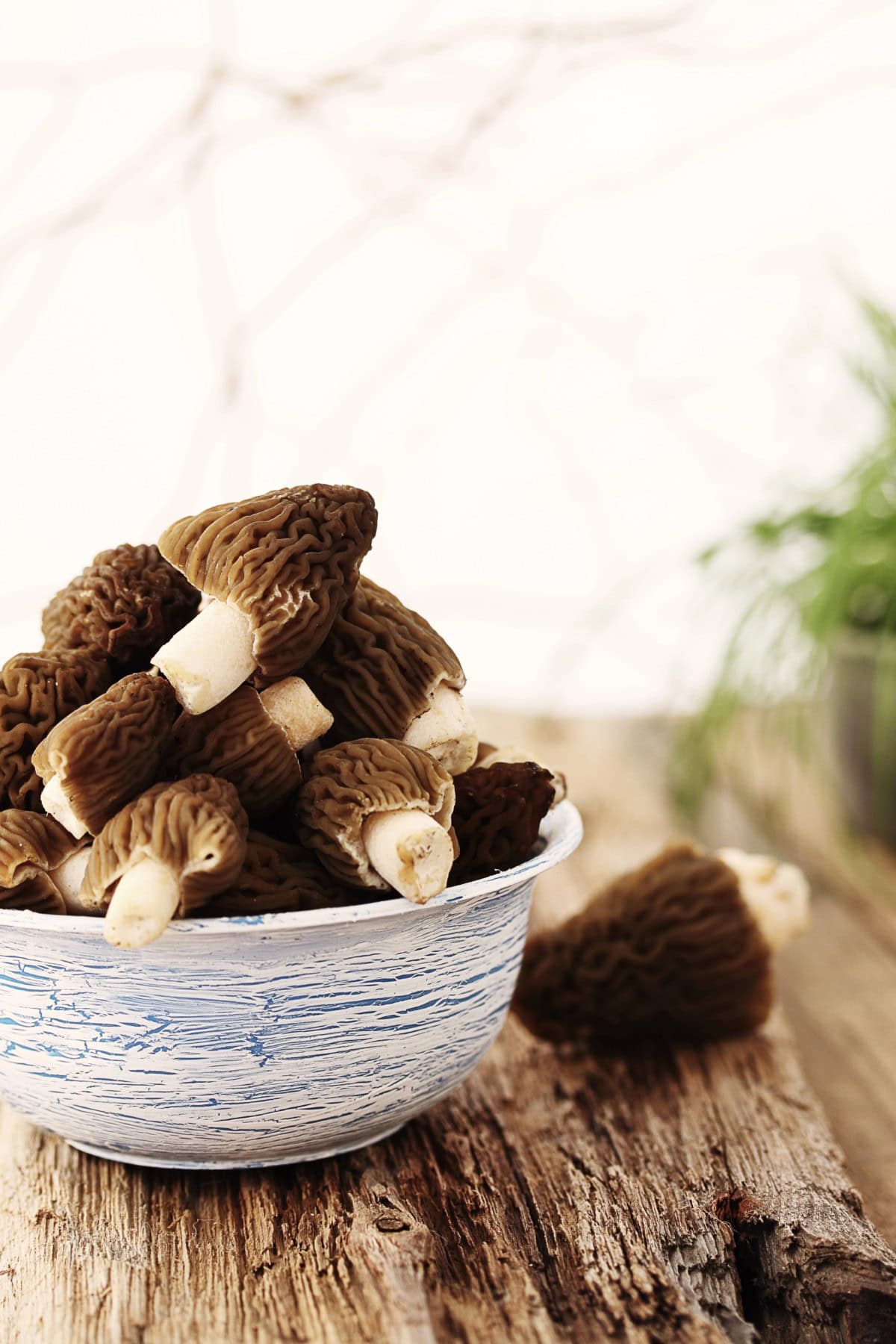
Morel mushrooms are a prized wild mushroom known for their distinctive honeycomb-like caps and rich, earthy flavor. Highly sought after by chefs and foragers alike, these unique mushrooms appear in the spring and are considered one of the most delicious wild mushrooms in the culinary world.
Do you like finding out about different ingredients that you may or may not be familiar with? Then have a look at our How to Section; you possibly will learn a lot. Also try our gorgeous Creamy Chicken with morels. It is truly heavenly and very company or special event worthy.
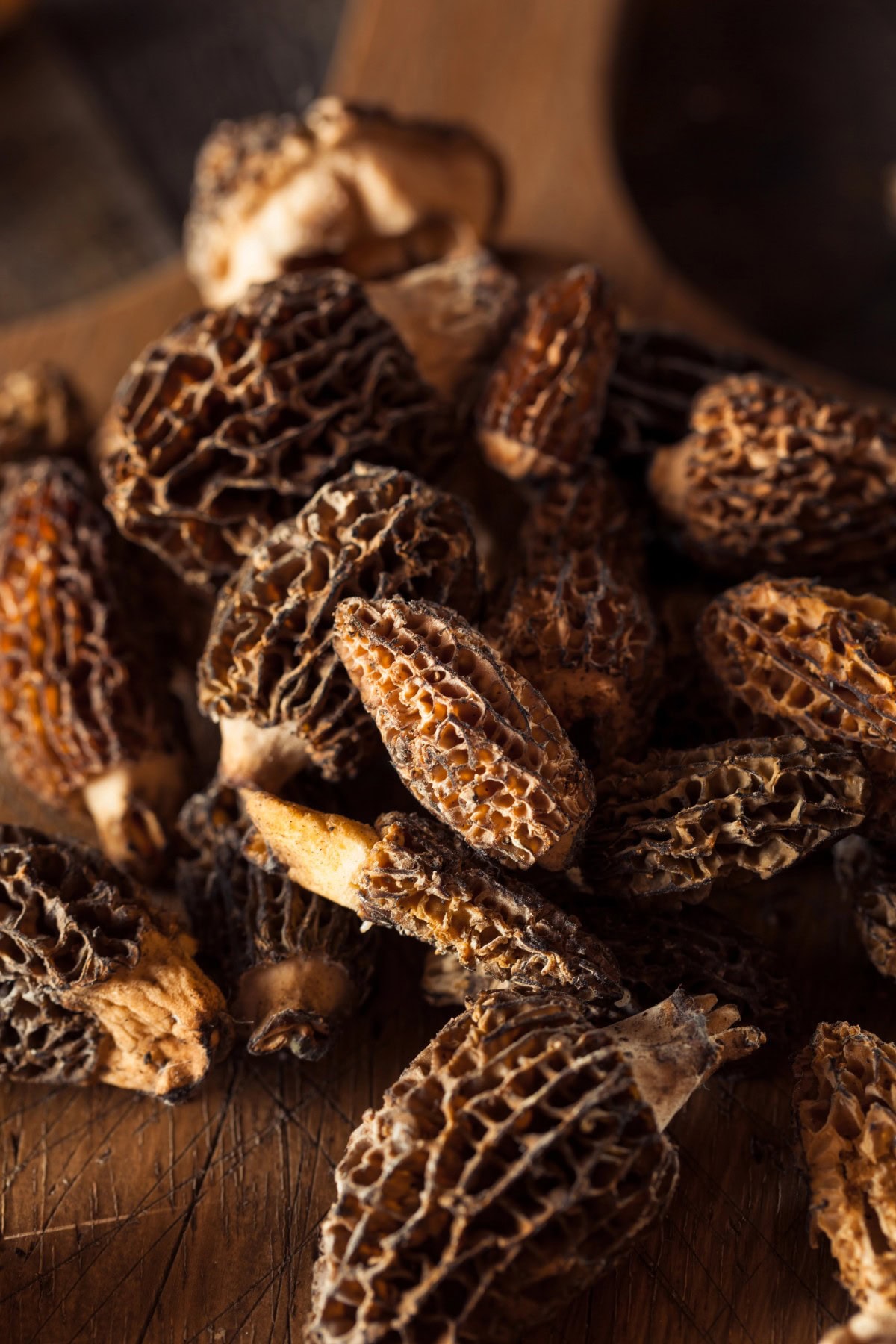
Unlike common grocery store mushrooms, morels grow naturally in forests and wooded areas, often near ash, elm, or apple trees. Because they cannot easily be cultivated commercially, most morels are harvested in the wild, which contributes to their rarity and higher price. I was lucky to be gifted a large amount of dried morels, and that is when I started exploring what they are and what I can do with them.
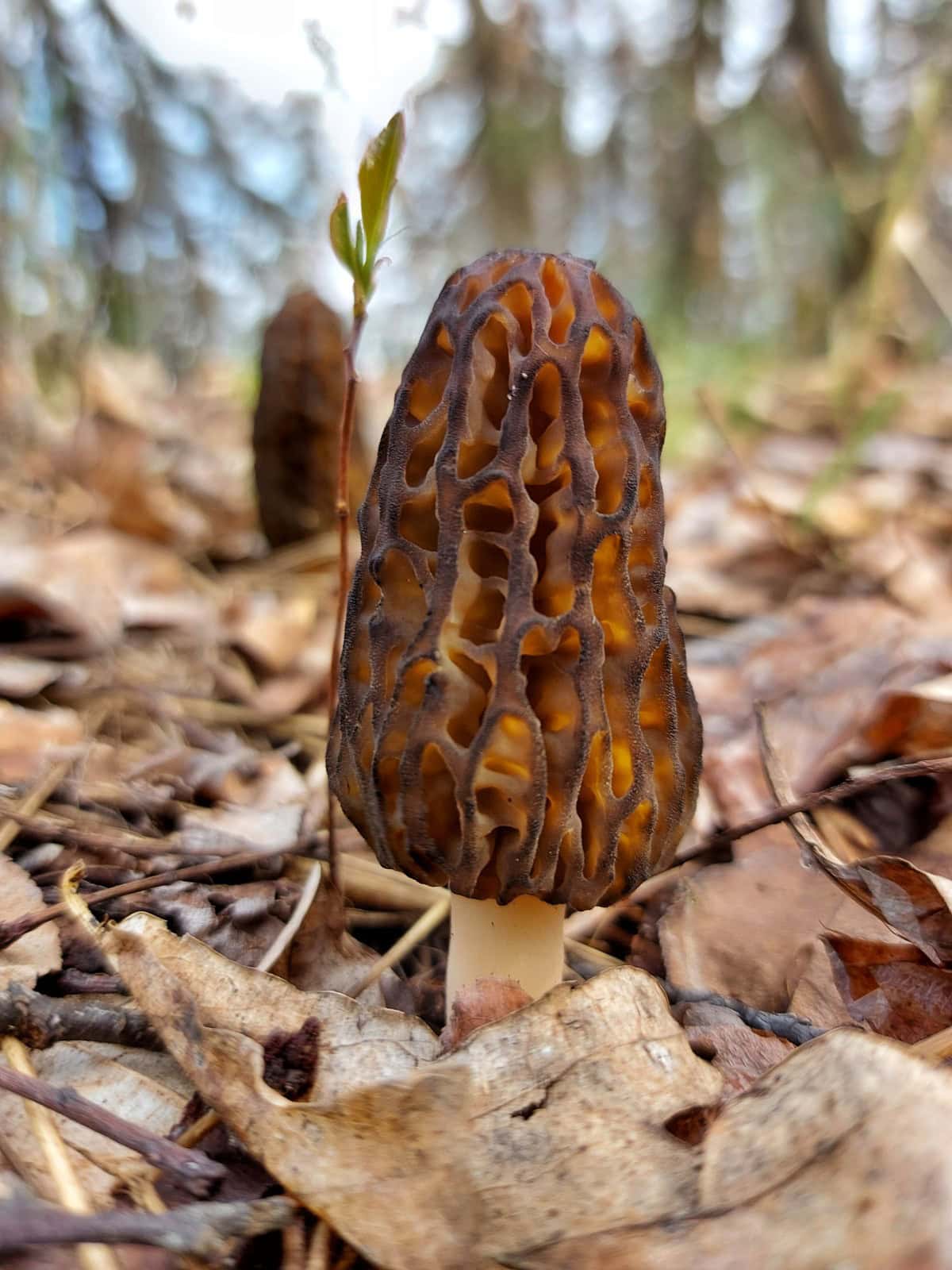
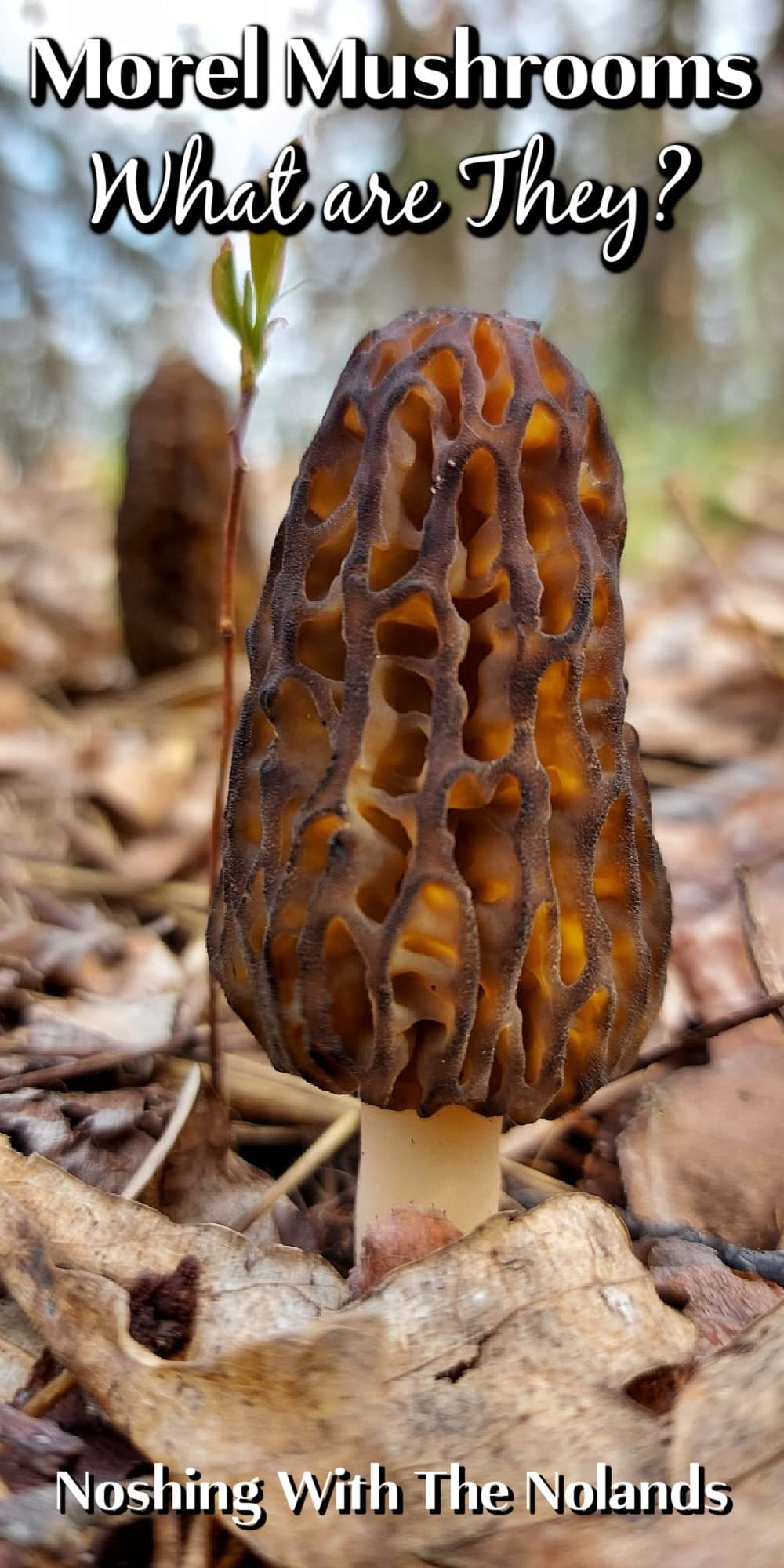
What Do Morel Mushrooms Look Like?
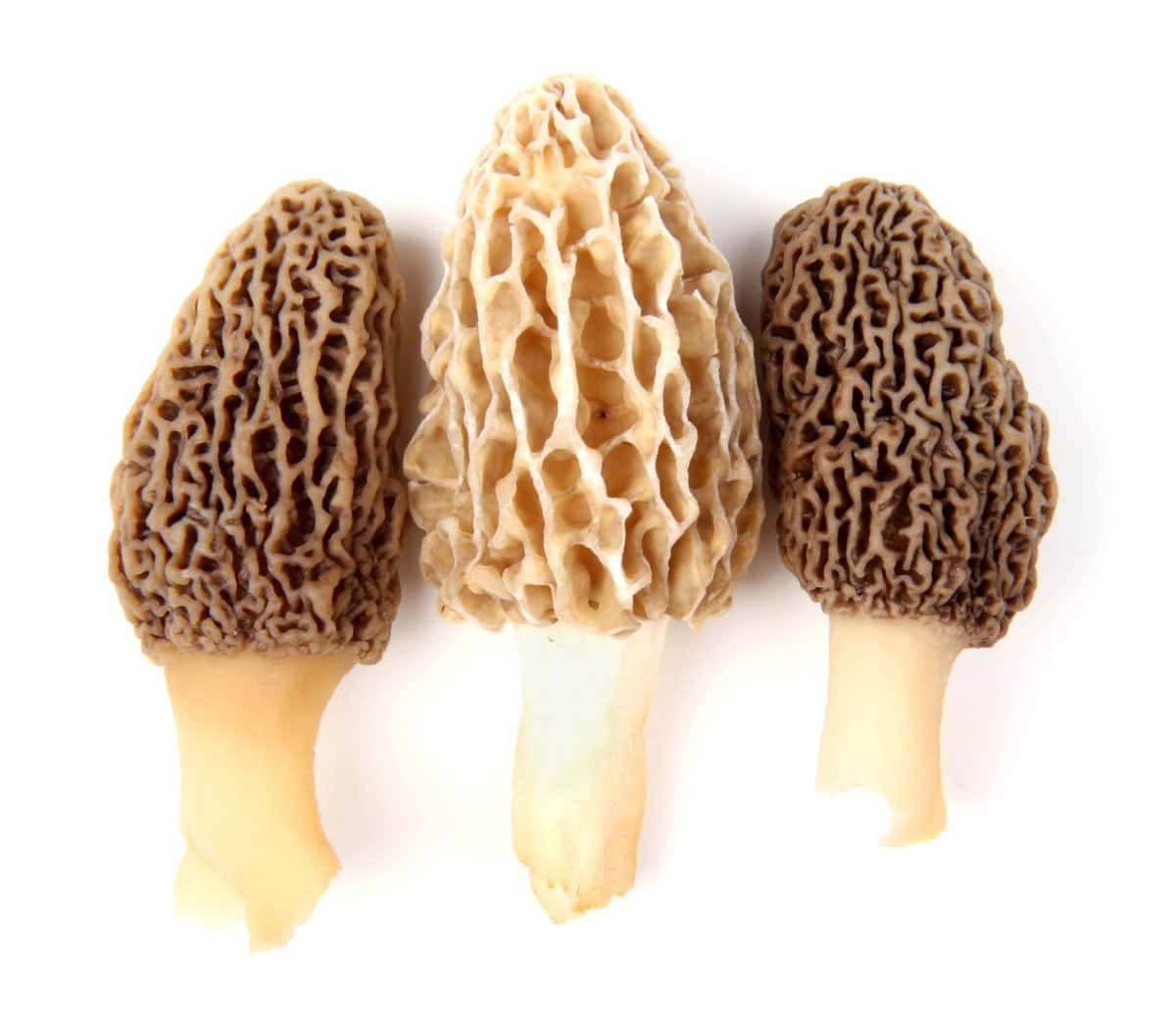
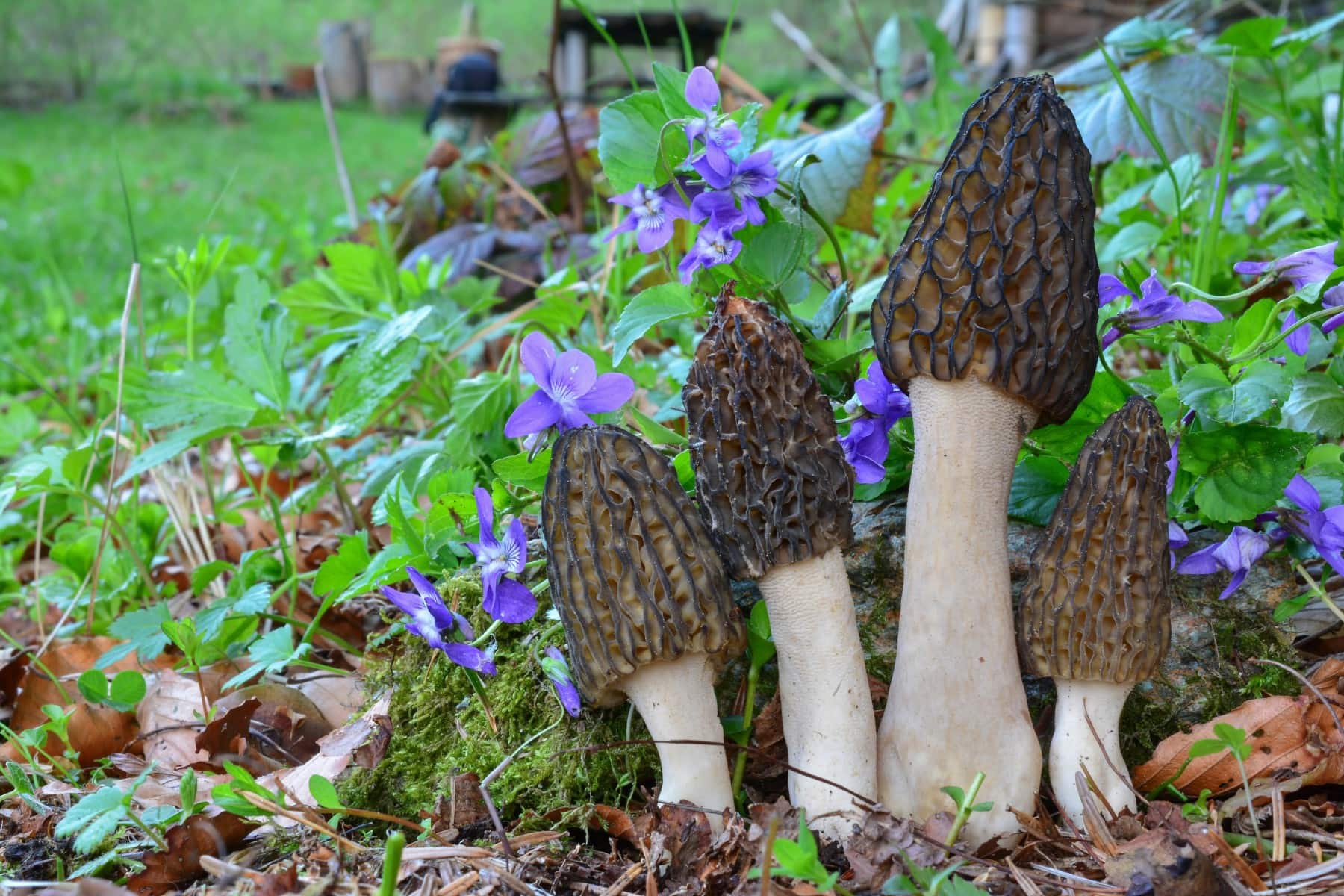
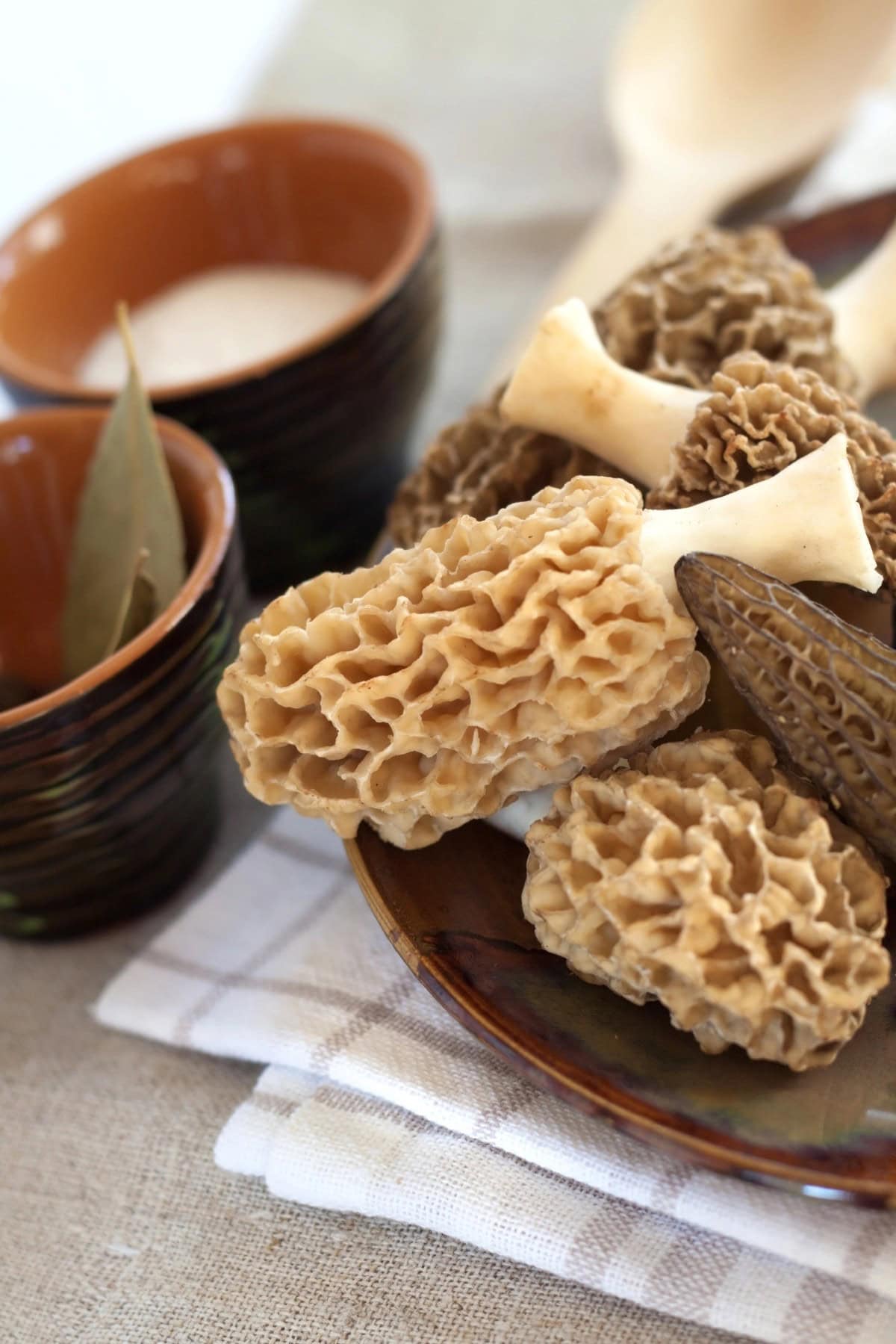
Morels are easy to recognize once you know what to look for. They typically have:
- A cone-shaped cap with a honeycomb pattern
- A tan, brown, or golden color
- A hollow interior from cap to stem
- A spongy, textured surface
This hollow structure is one of the key ways to distinguish true morels from look-alike mushrooms.
What Do They Taste Like?
Morels have a deep, nutty, earthy flavor that many people describe as richer and more complex than other mushrooms. When cooked, they develop a slightly smoky and buttery taste that pairs beautifully with simple ingredients.
Because of their unique flavor, morels are often used in dishes like:
- Creamy pasta sauces
- Risottos
- Butter sautéed mushrooms
- Steak or chicken dishes
- Spring vegetable recipes
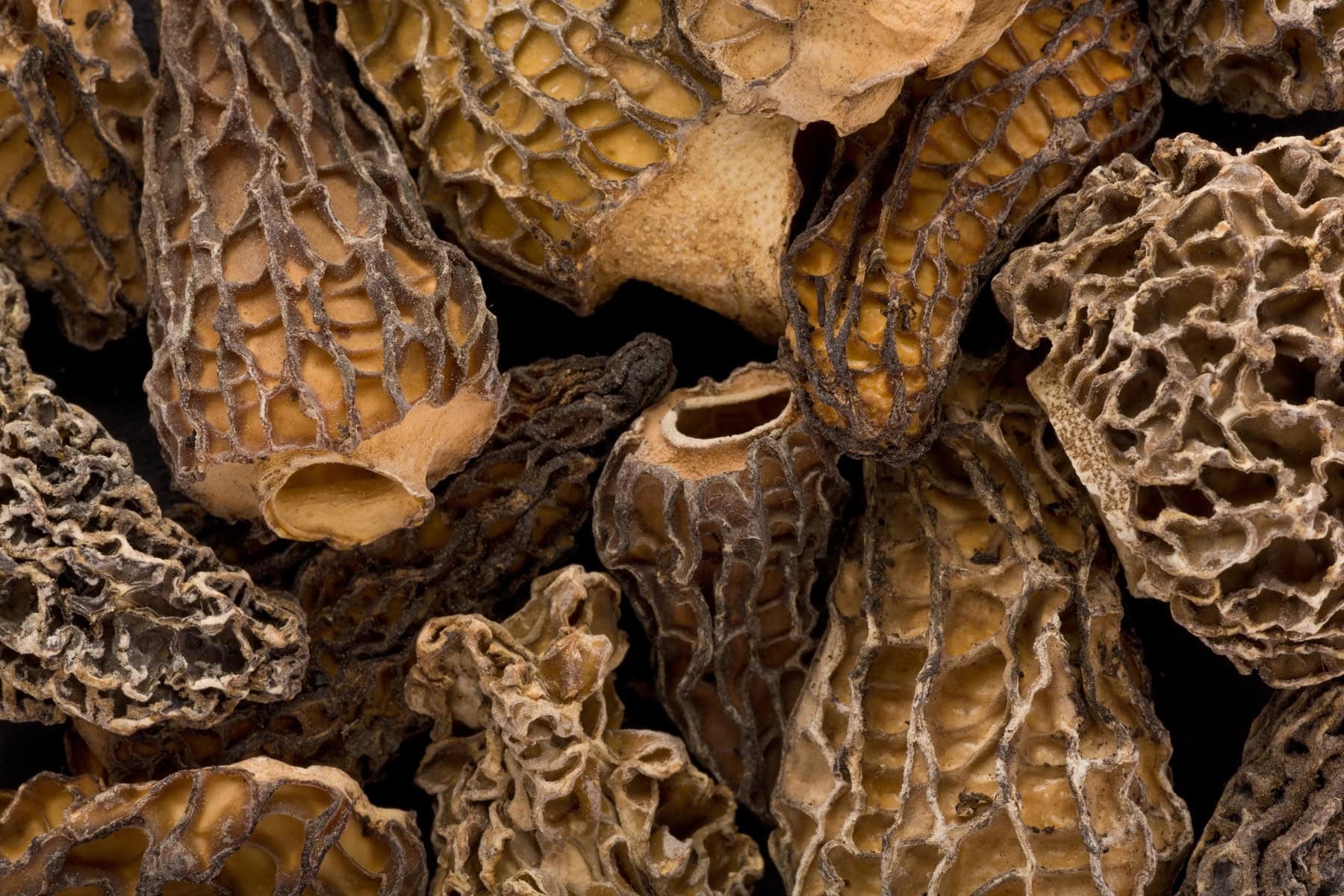
When Are Morel Mushrooms in Season?
Their season typically runs from early spring to early summer, depending on the climate.
In many regions, they appear when:
- Soil temperatures warm up
- Spring rains arrive
- Trees begin to bud
Because the season is short, many mushroom lovers look forward to morels every year as a special seasonal ingredient.
Are Morel Mushrooms Safe to Eat?
Yes — true morel mushrooms are safe and delicious when cooked. However, they should never be eaten raw, as cooking helps break down compounds that can cause stomach discomfort.
It’s also important to properly identify morels, as some mushrooms (called false morels) can look similar but are toxic. Go with someone who knows how to identify morels and wild mushrooms until you are familiar with where they grow and what they look like. There are over 70 distinct species of true morels.
How to Cook Morel Mushrooms
Morels are often prepared very simply to highlight their natural flavor. Popular methods include:
- Sautéing in butter and garlic
- Adding to cream sauces
- Cooking with eggs or omelets
- Tossing with pasta or risotto
Because their flavor is so special, many cooks keep the preparation minimal, like in this recipe.
Why Are Morel Mushrooms So Expensive?
Morels are considered a gourmet ingredient because:
- They cannot be easily farmed
- They have a short growing season
- They must be foraged by hand
These factors make them one of the most prized wild mushrooms in cooking.
How to Rehydrate Morel Mushrooms
Step-by-Step Instructions
1. Rinse the dried morels
Quickly rinse the dried mushrooms under cool water to remove any loose dirt or debris.
2. Soak in warm water
Place the morels in a bowl and cover them with warm water or broth.
3. Let them hydrate
Allow the mushrooms to soak for 20–30 minutes, or until they become soft and plump. If mushrooms still feel firm, soak them another 10 minutes.
4. Remove the mushrooms
Lift the morels out of the liquid gently so any sediment stays at the bottom.
5. Strain the soaking liquid
The soaking liquid is full of flavor. Strain it through a fine sieve or cheesecloth to remove grit and use it in sauces or soups.
Are Morels Nutritious?
Yes, morel mushrooms are considered very healthy. These prized wild mushrooms are not only flavorful but also packed with nutrients that support overall health.
Rich in Nutrients
Morel mushrooms contain a variety of essential vitamins and minerals, including:
- Vitamin D
- Iron
- Copper
- Potassium
- B vitamins
These nutrients help support energy levels, immune function, and overall well-being.
Good Source of Antioxidants
Morels contain antioxidants that help protect the body from cell damage caused by free radicals. Antioxidants may support heart health and reduce inflammation.
High in Protein for a Mushroom
Compared to many other vegetables, morel mushrooms contain a relatively high amount of plant-based protein, making them a nutritious addition to meals. Their protein is 3.1g of protein per 100g raw and about 10 grams per 100g dried, which is higher than a white button mushroom but lower than oyster mushrooms.
Low in Calories and Fat
Morel mushrooms are naturally:
- Low in calories
- Low in fat
- Cholesterol-free
This makes them a healthy ingredient for soups, sauces, pasta dishes, and vegetable-based meals.
Supports Immune Health
Some studies suggest mushrooms, including morels, may support immune health due to their natural compounds and nutrients.
Important Safety Note
Morel mushrooms should always be cooked before eating. Raw morels can cause stomach discomfort and must be properly prepared.




Let us know what you think!
We’d love to know what you and your family think! Make sure to leave a review below and follow us on your favorite social network!