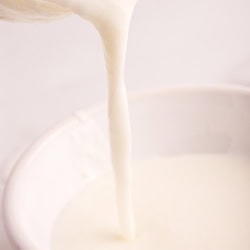
Learn How to Make Buttermilk at home with just three simple ingredients in minutes. This easy homemade buttermilk substitute uses milk and an acid like lemon juice or vinegar and cream of tartar to create the same tangy flavor and texture as store-bought buttermilk.
With grocery prices out of reach for many of us, it is nice to use what you have bought and make it into something that you need. You can also try How to Make Butter and How to Make Ghee, more fun things to do with dairy.
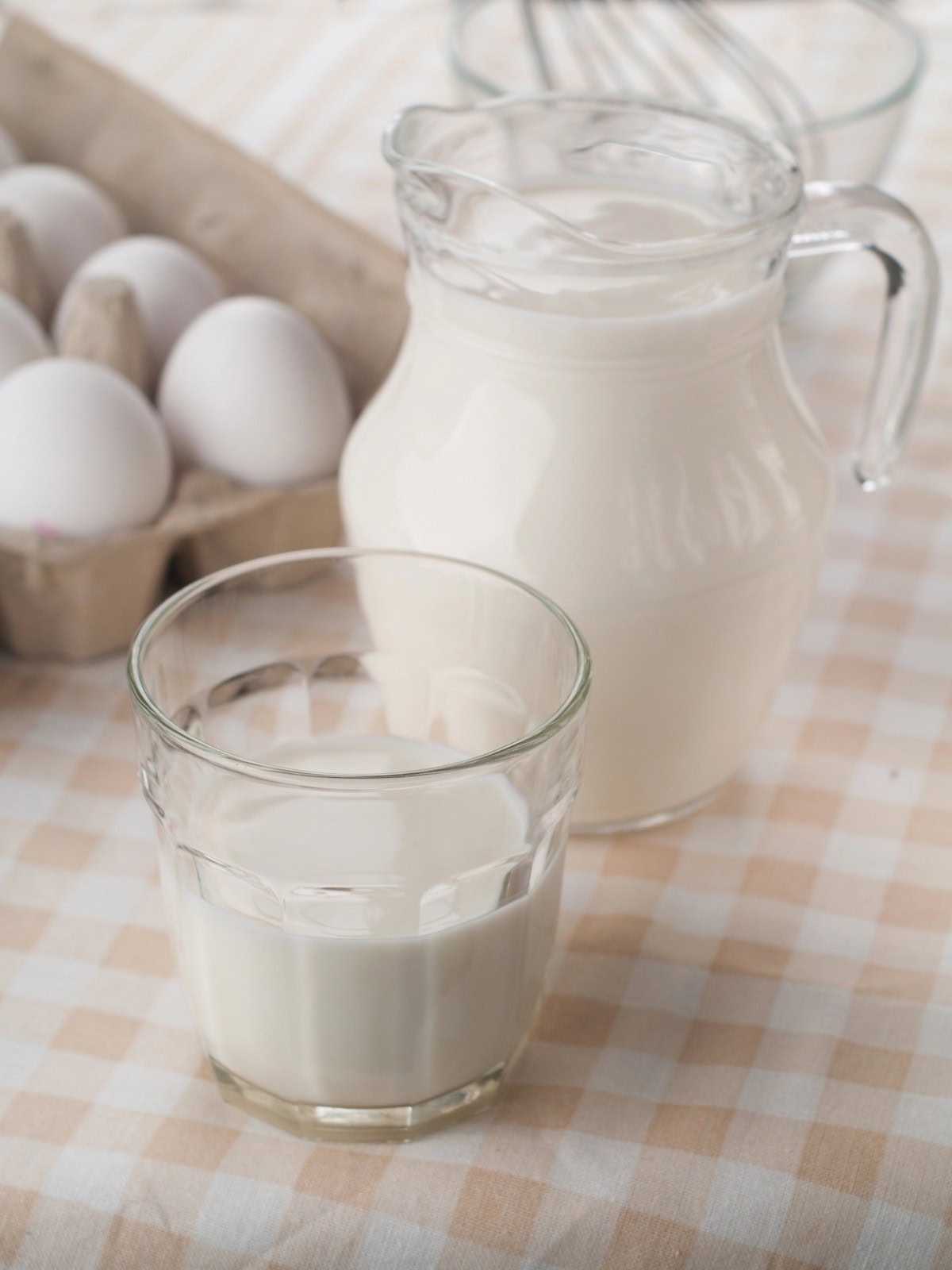
Buttermilk is a tangy, slightly thick dairy product commonly used in baking and cooking. Despite the name, it’s not high in fat; in fact, most modern buttermilk is low-fat or cultured milk. Buttermilk is the milk left behind after making cream into butter, but today, it is cultured buttermilk that we use. It is manufactured by adding bacteria to milk to mimic the natural fermentation process.
Whether you’ve run out or want a convenient alternative, this how to make buttermilk guide is a must-know kitchen tip for home cooks and bakers.
Why I Love This Recipe
- Quick and easy methods
- Pantry Friendly, uses what you may already have on hand
- Money savings, make exactly what you need instead of buying and wasting some
- No extra need to run out, freshly made when you need it
- Same results for most recipes as store-bought buttermilk
Helpful Items For This Recipe
This post contains affiliate links. As an Amazon Associate, I earn a small portion from qualifying purchases at no extra charge to you.
16pc Set of Small Glass Bowls with Airtight Lids – 8oz Stackable Custard Cups
Stainless Steel Magnetic Measuring Spoons Set with Strong Magnets, Set of 8
Homemade Buttermilk Recipe Ingredients
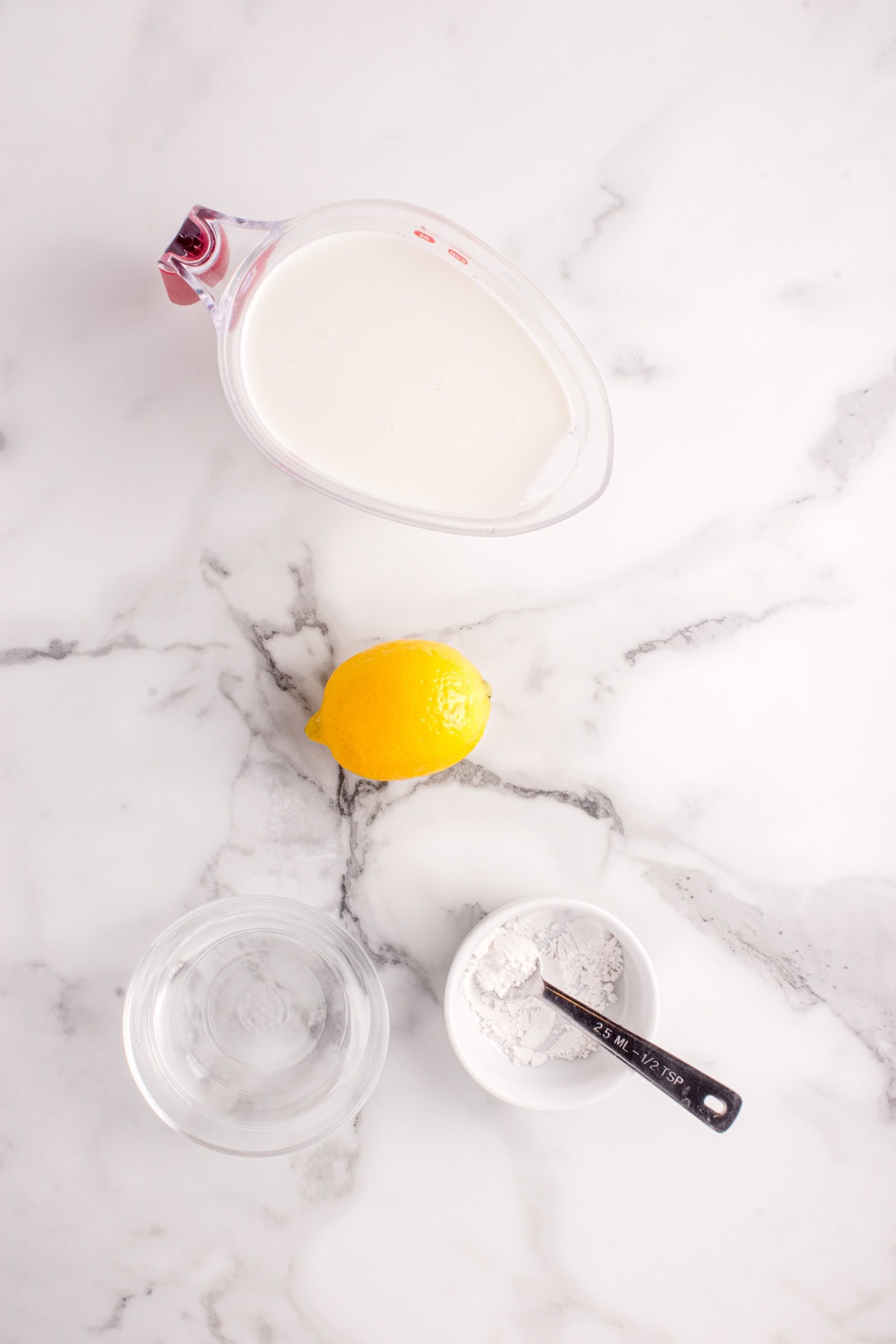
Ingredients
Whole milk – Have your milk at room temperature. Whole milk is what I prefer because of its richness. 2% or skim milk can be used if that’s what you have on hand.
Acid (Lemon Juice or Vinegar): Lemon juice adds a bright, citrusy tang to the milk, while white vinegar gives a neutral acidity. Both work well at curdling the milk and creating the buttermilk effect. Apple cider vinegar can also be used for a milder flavor.
Cream of Tartar (Alternative Method): This method is perfect if you prefer not to use lemon juice or vinegar.
How to make Buttermilk from Milk
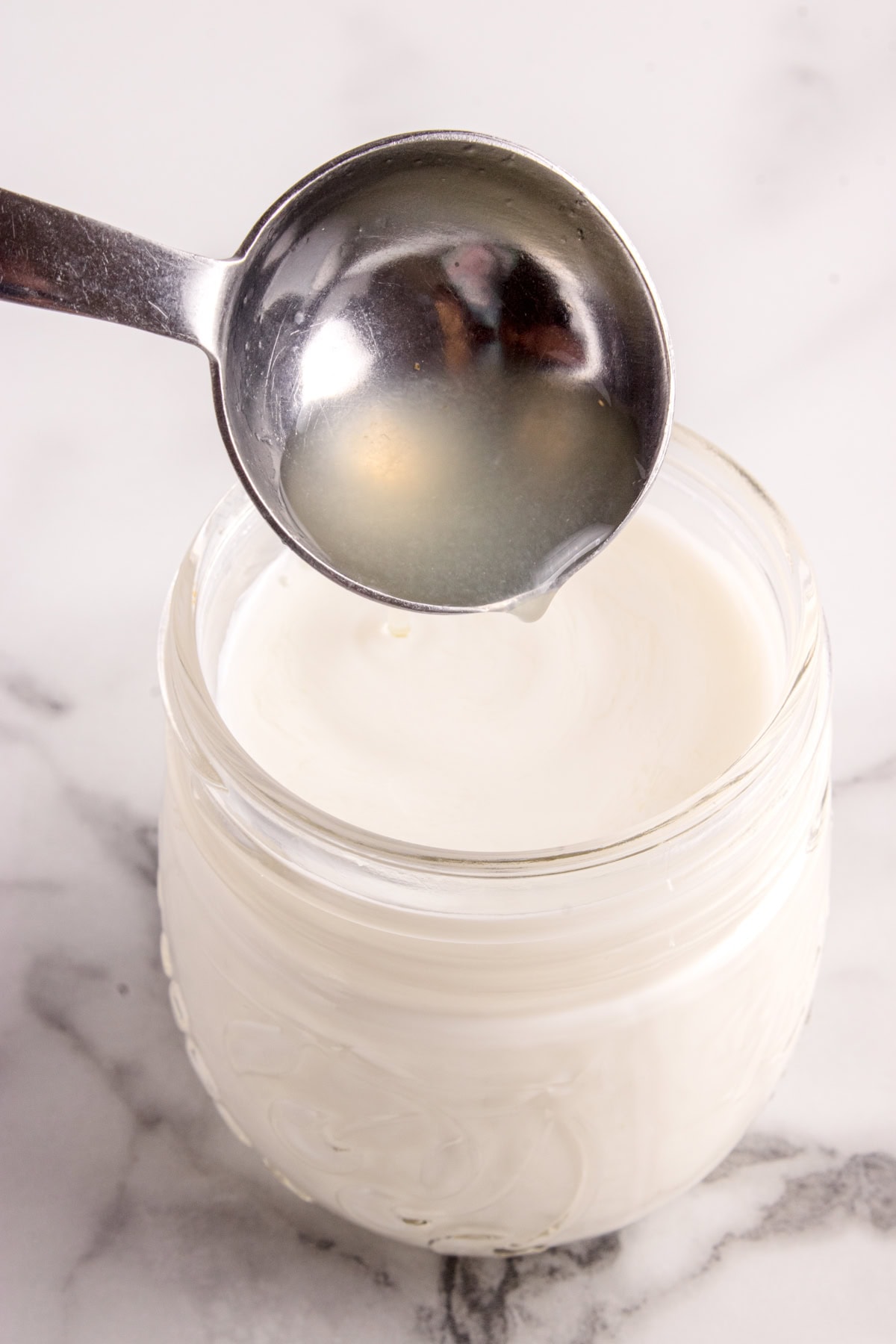
Lemon Juice
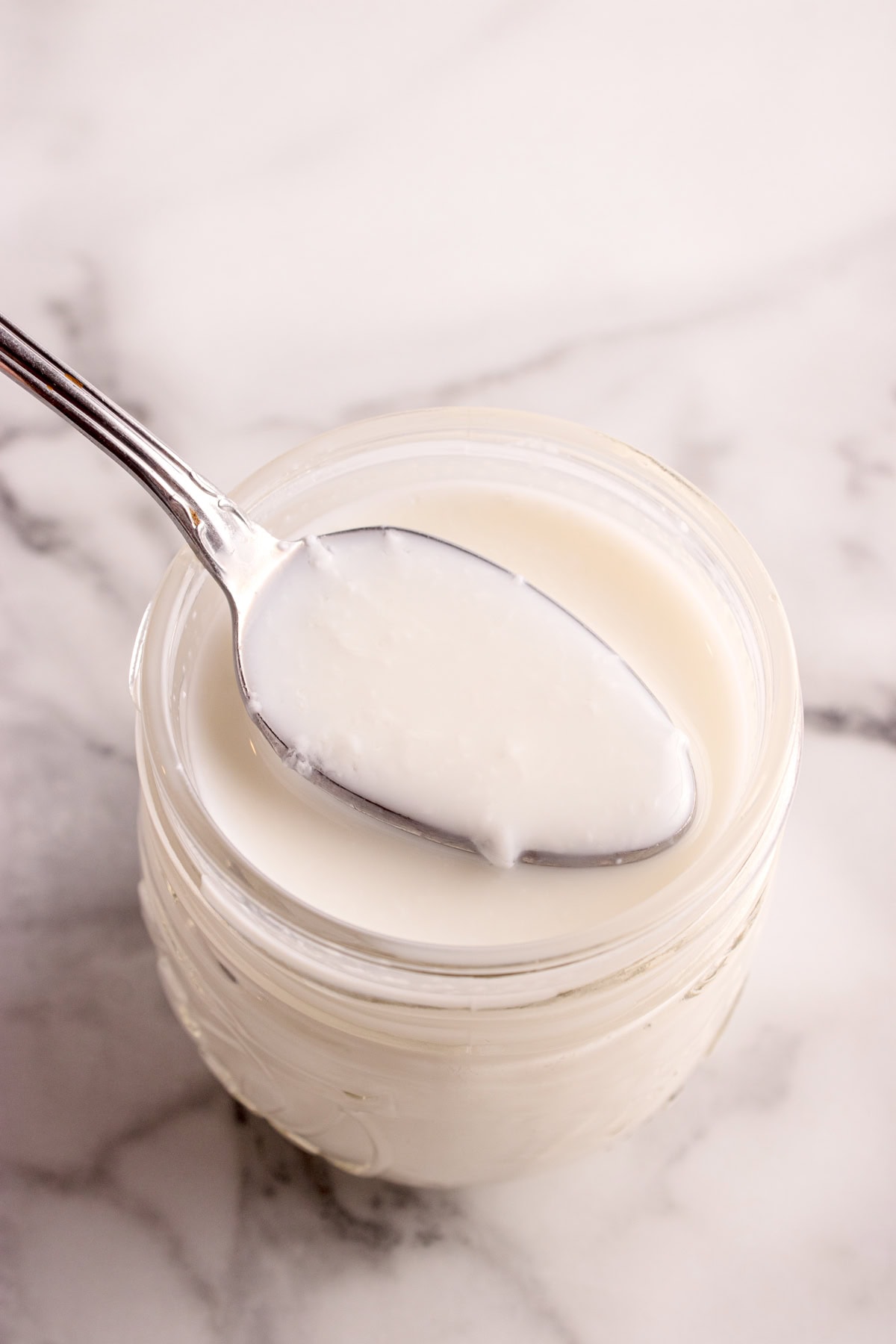
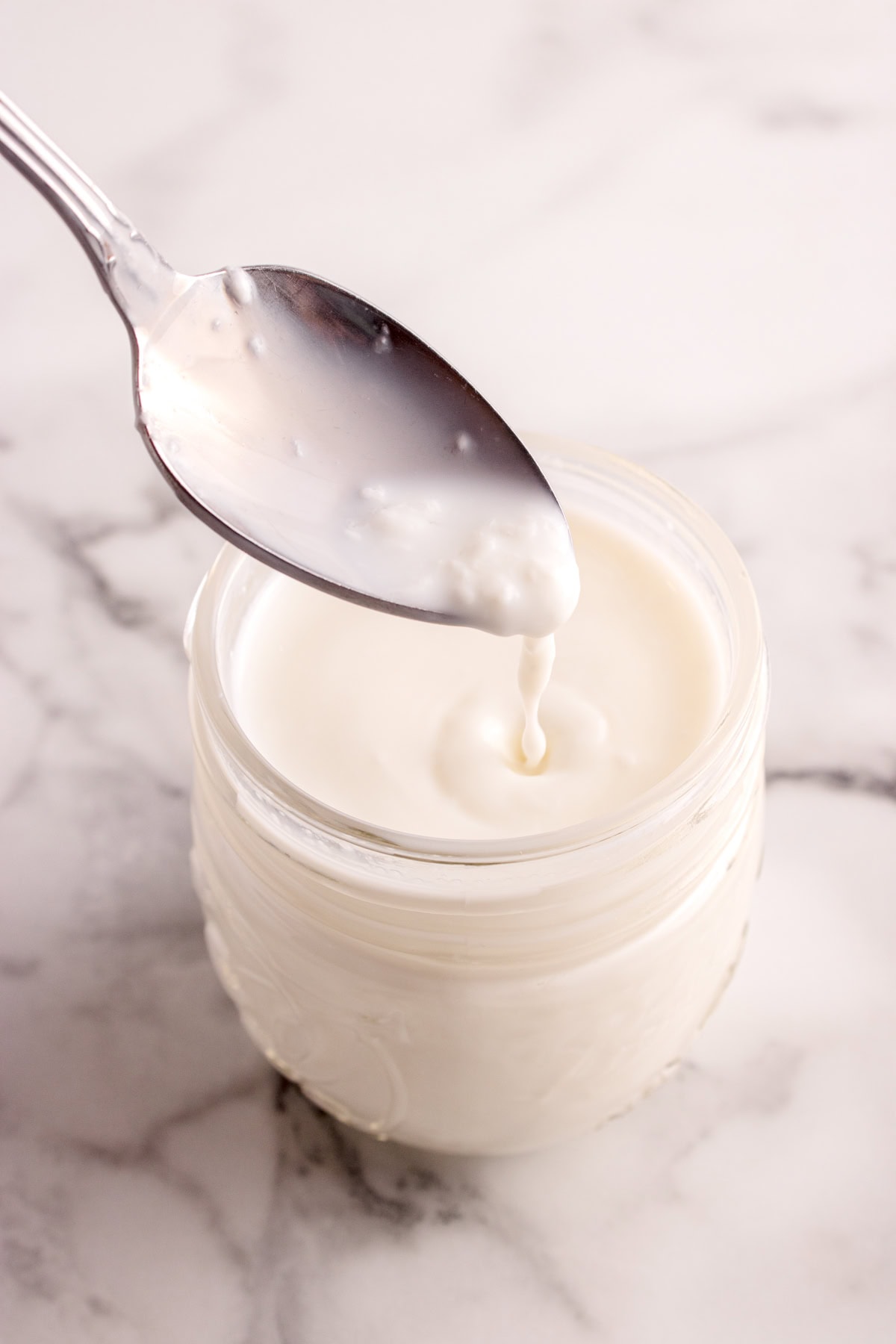
Vinegar
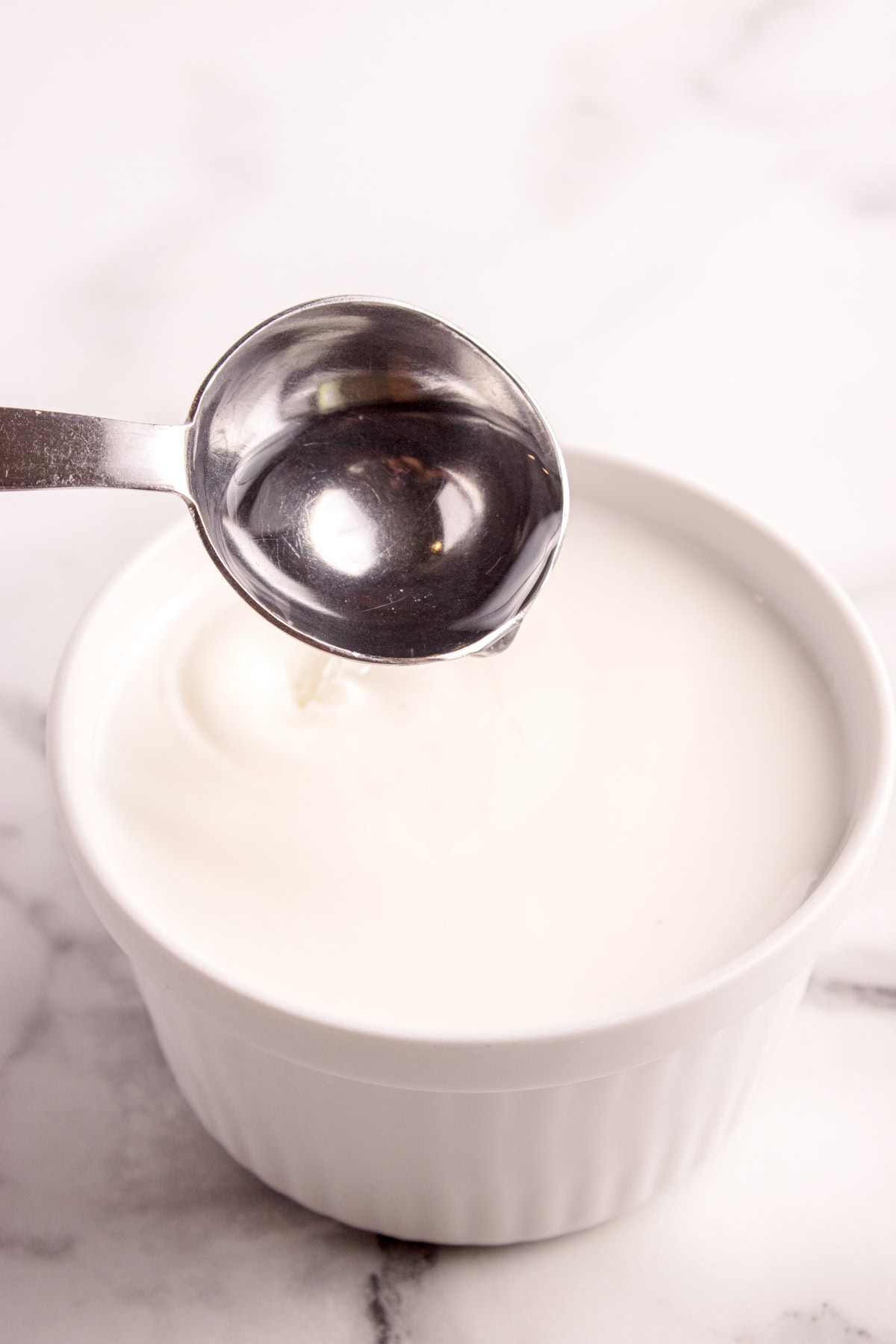
Method 1: Lemon Juice or Vinegar
Pour 1 cup of room temperature milk into a glass container or small bowl. Add 1 tablespoon of lemon juice or vinegar. Stir it gently to combine.
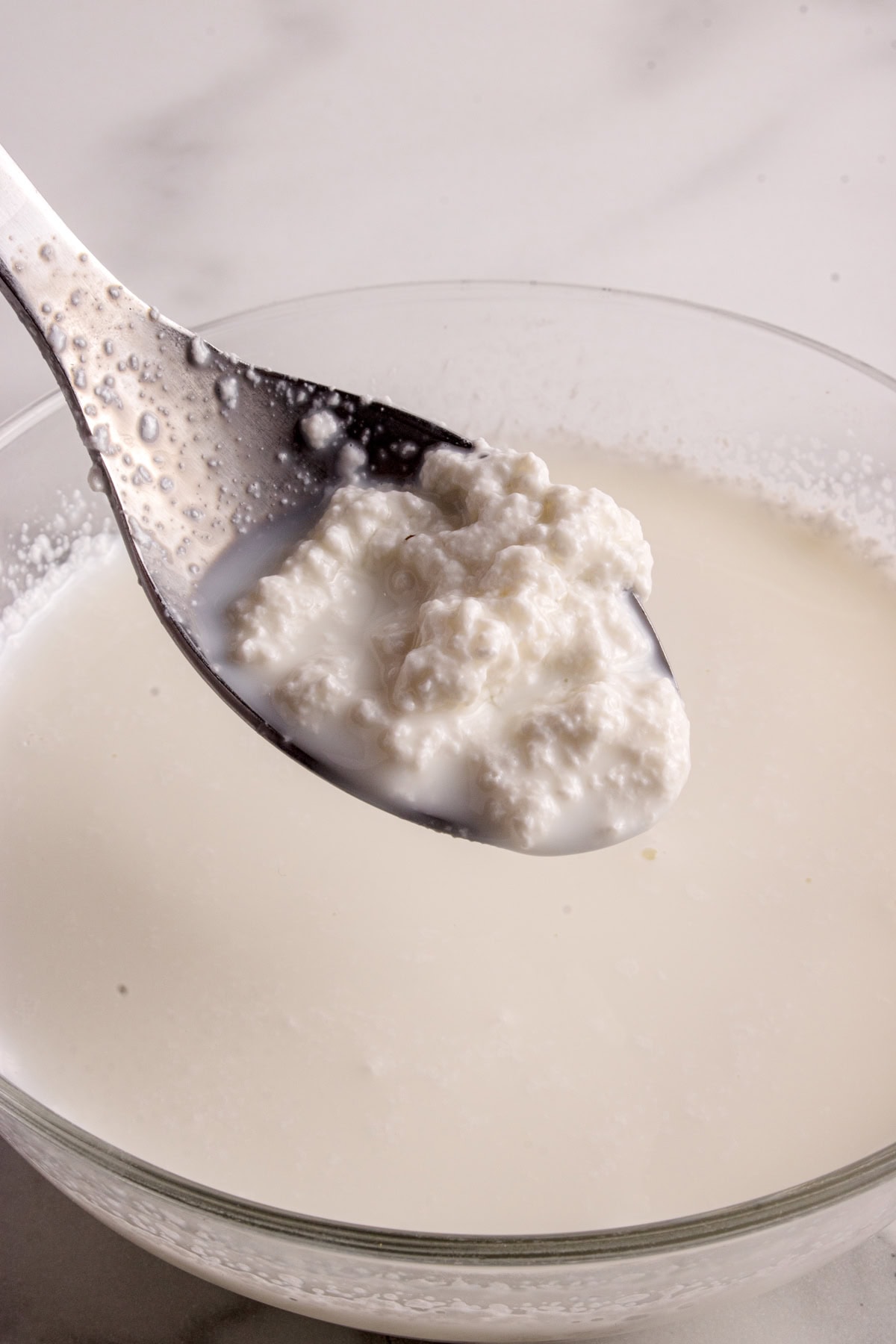
Let the mixture sit at room temperature for 10–15 minutes. Tiny curds should form.
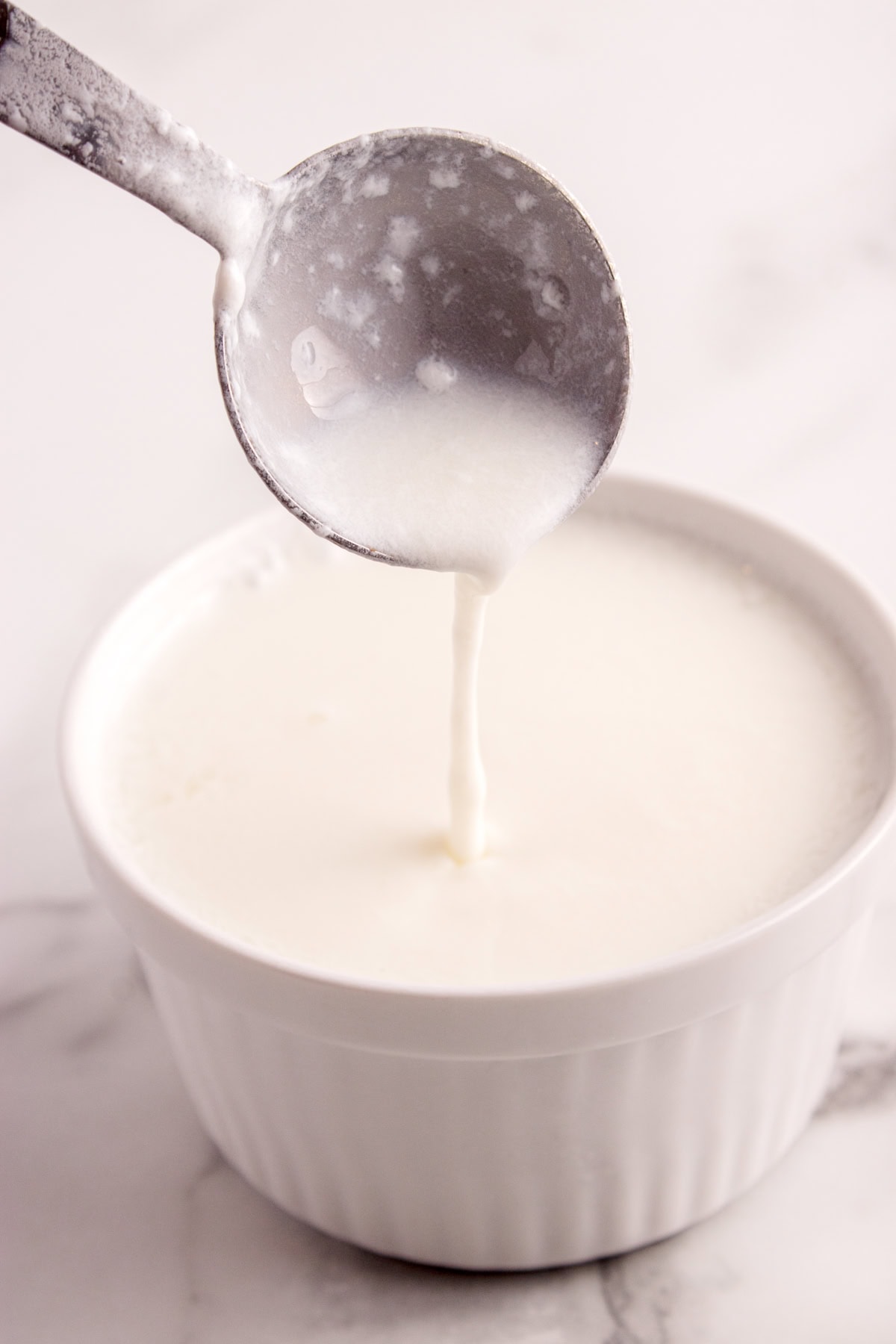
Stir your homemade buttermilk gently before using in your recipe.
Tip: If your milk is cold, warm it in the microwave for about 20–30 seconds to take the chill off before adding your acid. This helps it curdle properly and gives you the best texture for your buttermilk.
Method 2: Cream of Tartar
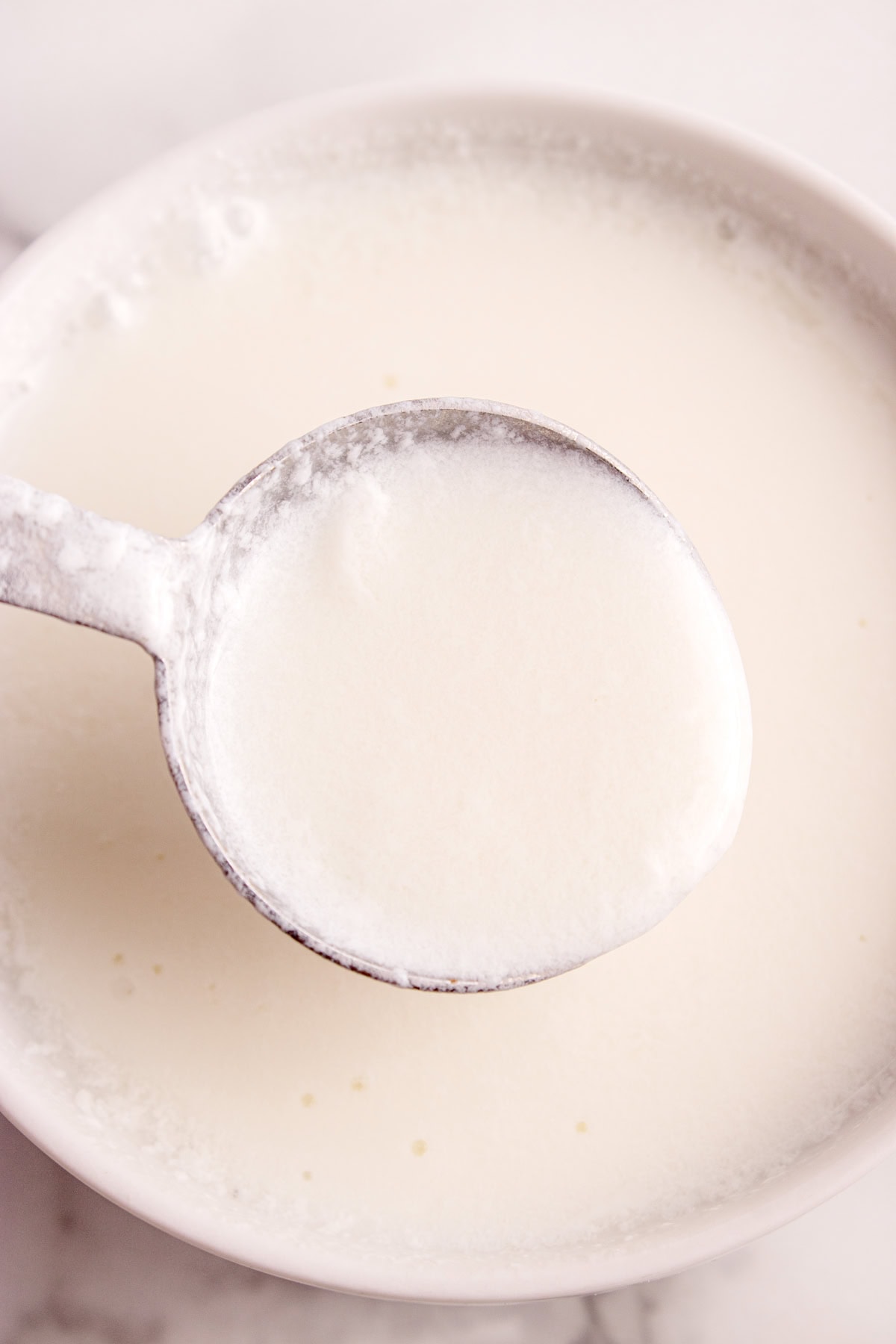
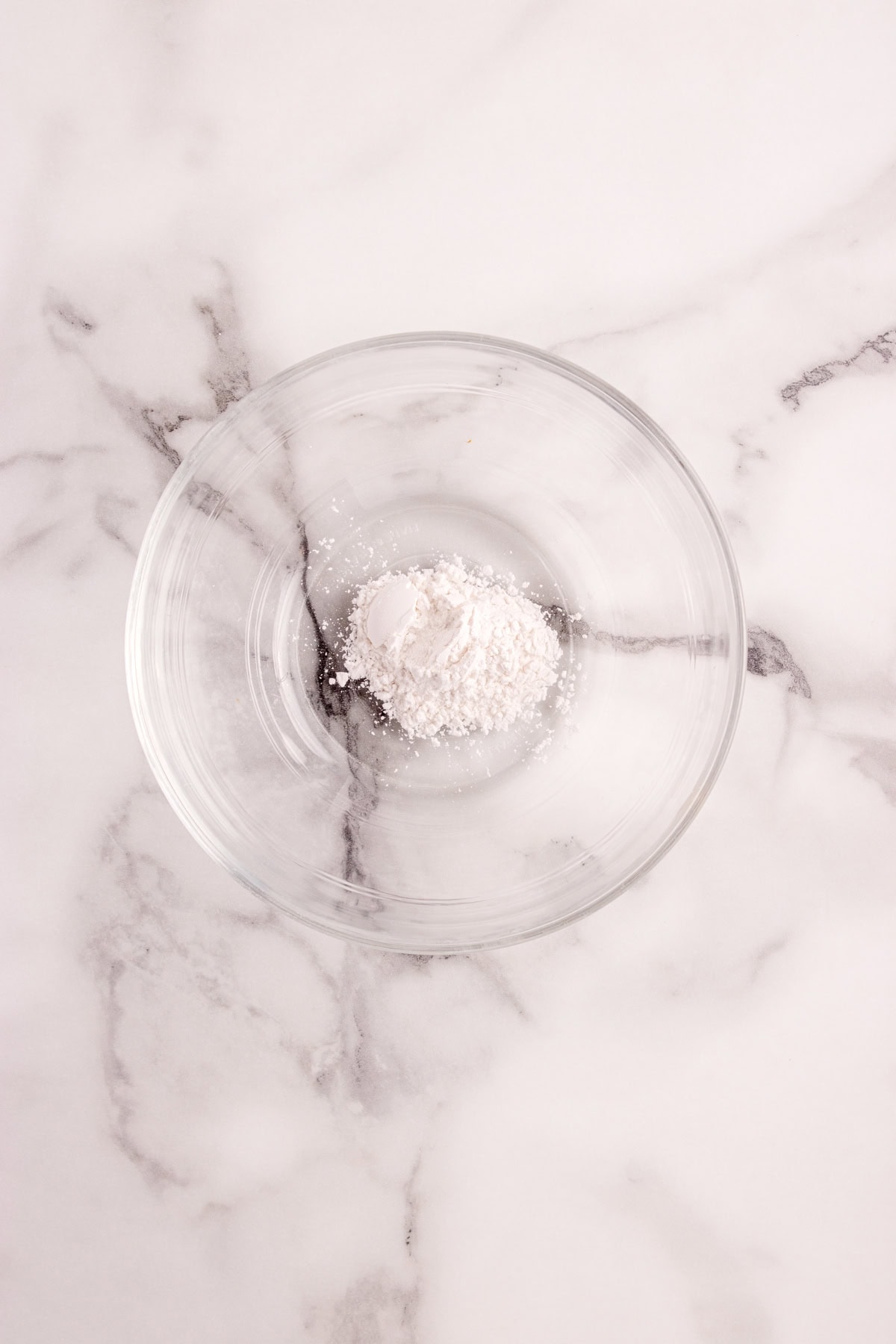
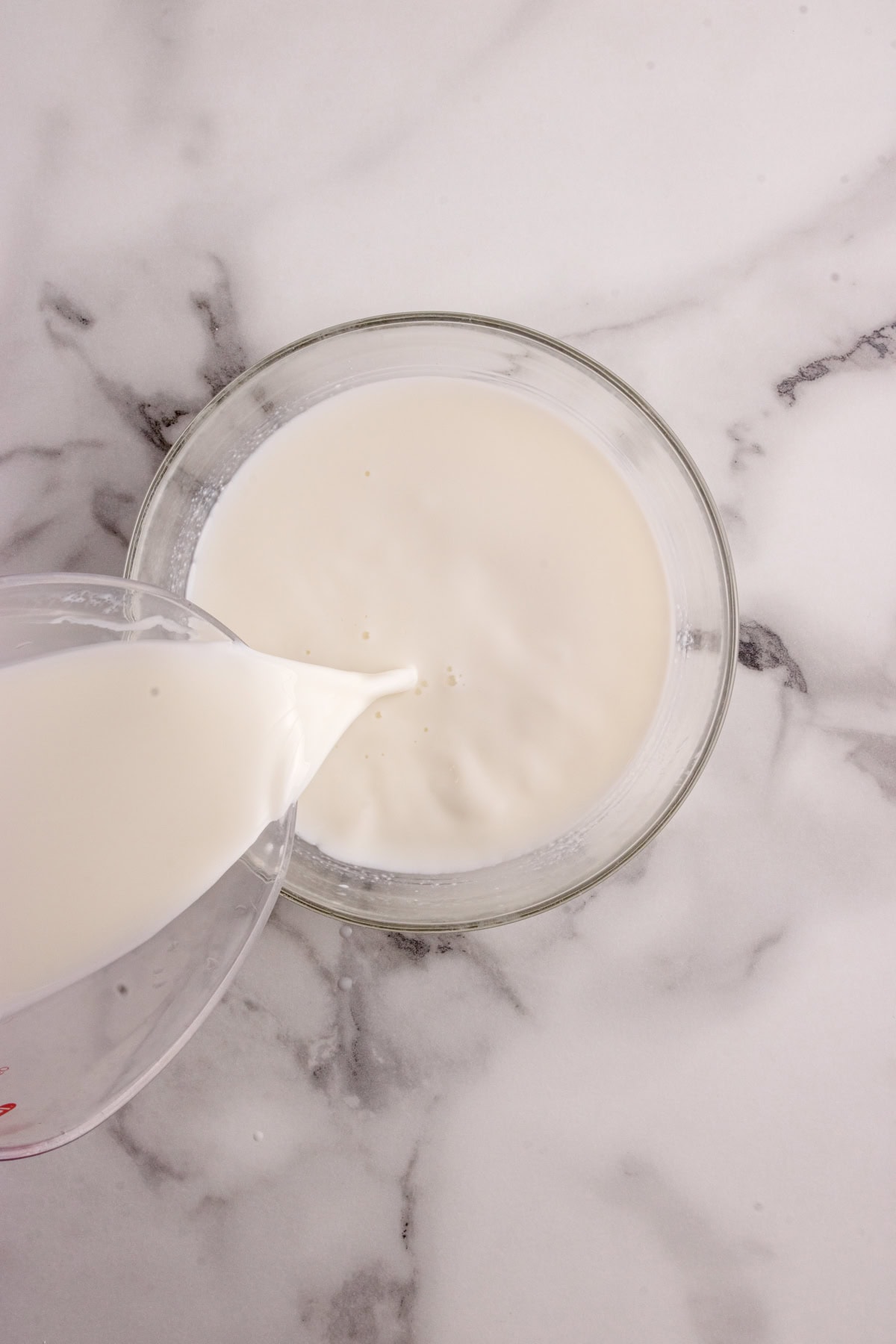
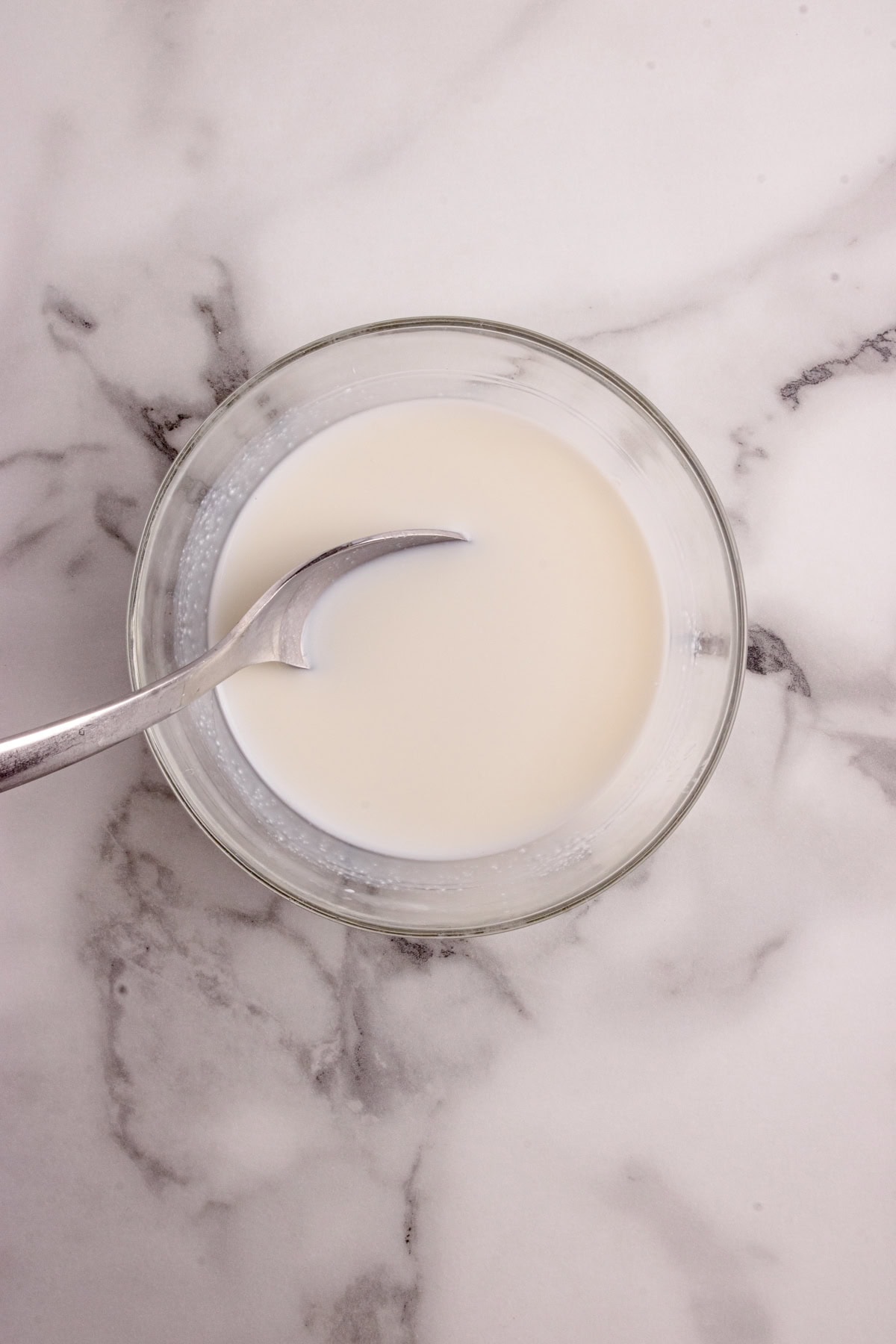
Add 1½ teaspoons of cream of tartar to a bowl or jar, then pour in half of the 1 cup of milk. Stir it until the powder is dissolved, then add the remaining milk and mix it gently to combine.
Let it sit for 10–15 minutes for the mixture to thicken slightly and develop a tangy flavor.
Stir it gently before using it in your recipe.
Tip: If curdles don’t form, warm the milk in the microwave in 15-second bursts, stirring in between. Do this a couple of times. The milk should begin to curdle.
Storage
Refrigerate it in a sealed jar for up to 2 days. Shake or stir before using it.
Freeze it in an airtight container for up to 3 months and thaw it in the refrigerator overnight before using.
Recipe Pro Tips
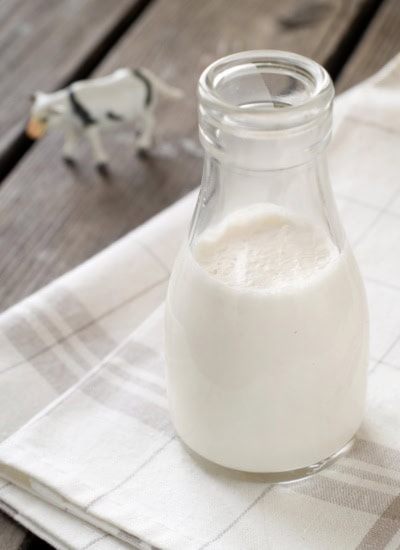
Recipe Tips & Tricks
Use Room Temperature Milk: Allowing the milk to come to room temperature before mixing with the acid helps the milk curdle better.
Stir Gently: Mix the acid and milk gently to avoid over-agitating, which can affect the texture.
Best When Fresh: This substitute works best when used immediately or within a few hours of making it.
For Thicker Buttermilk: Use full-fat milk and allow the mixture to sit for the full 15 minutes.
For Lighter Texture: Use 2% milk and a smaller amount of acid for a milder tang.
4th method: This is untested by us, but you can use 1/2 cup yogurt or sour cream with 1/2 cup milk. This produces a thicker mixture but doesn’t need any resting time.
I added the acid to my milk, but it didn’t curdle!
That usually means your milk was too cold. Warm it in the microwave for about 15–20 seconds, then stir it again. You should see it start to thicken and curdle within a few minutes. You may need to repeat this step a couple of times.
Can I use this substitute in all recipes?
Absolutely! This substitute works really well in most recipes that call for buttermilk, including pancakes, biscuits, cakes, and marinades.
How do I adjust the acidity for different recipes?
You can play around with the amount of acid depending on how tangy you like your buttermilk. A little extra acid will give it more tang and help it curdle faster. Using a touch less will keep the flavor mild and smooth.
How do I store leftover buttermilk?
Store it in a sealed container in the refrigerator for up to 2 days or freeze it for up to 3 months. Thaw this frozen buttermilk substitute in the refrigerator overnight and shake well before using.
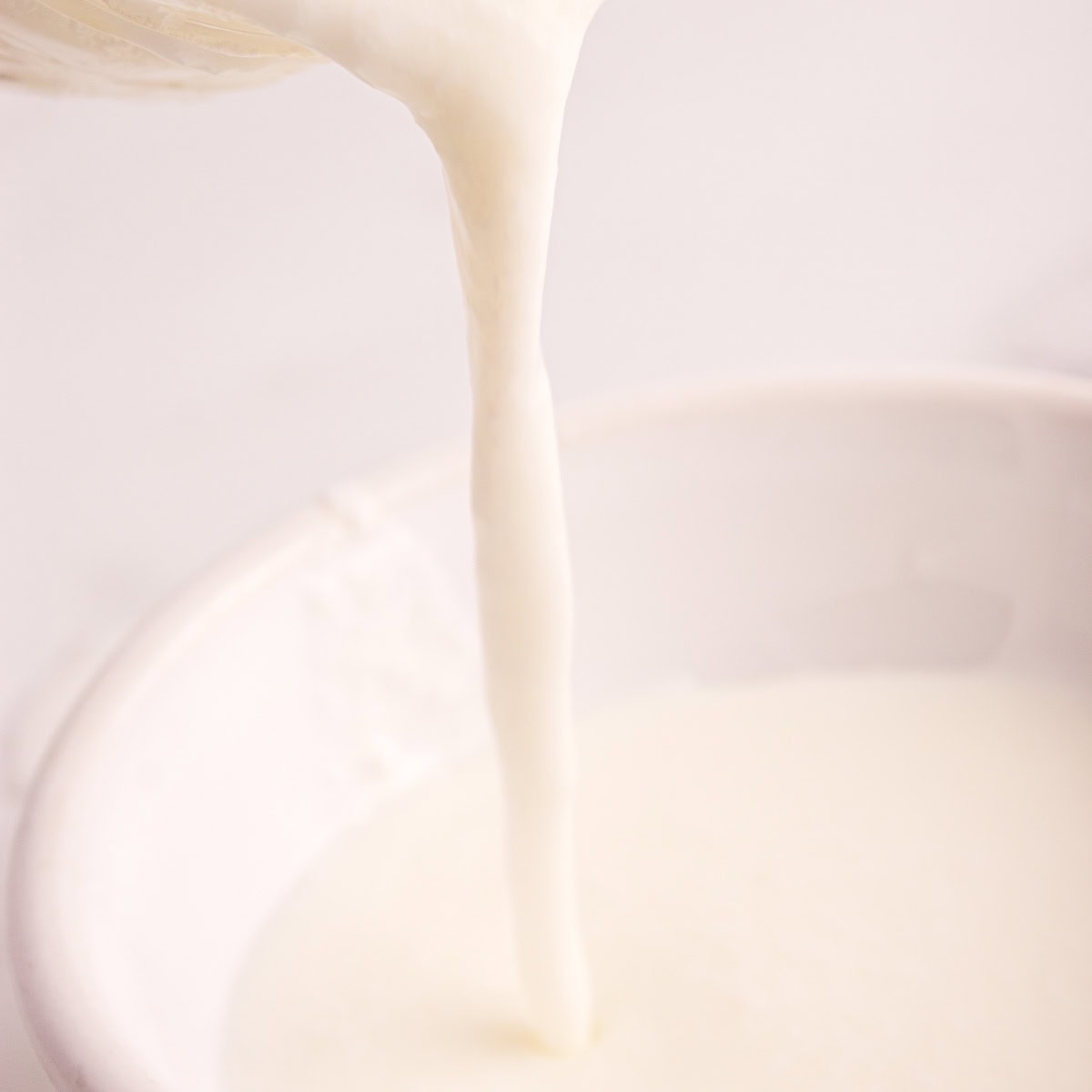
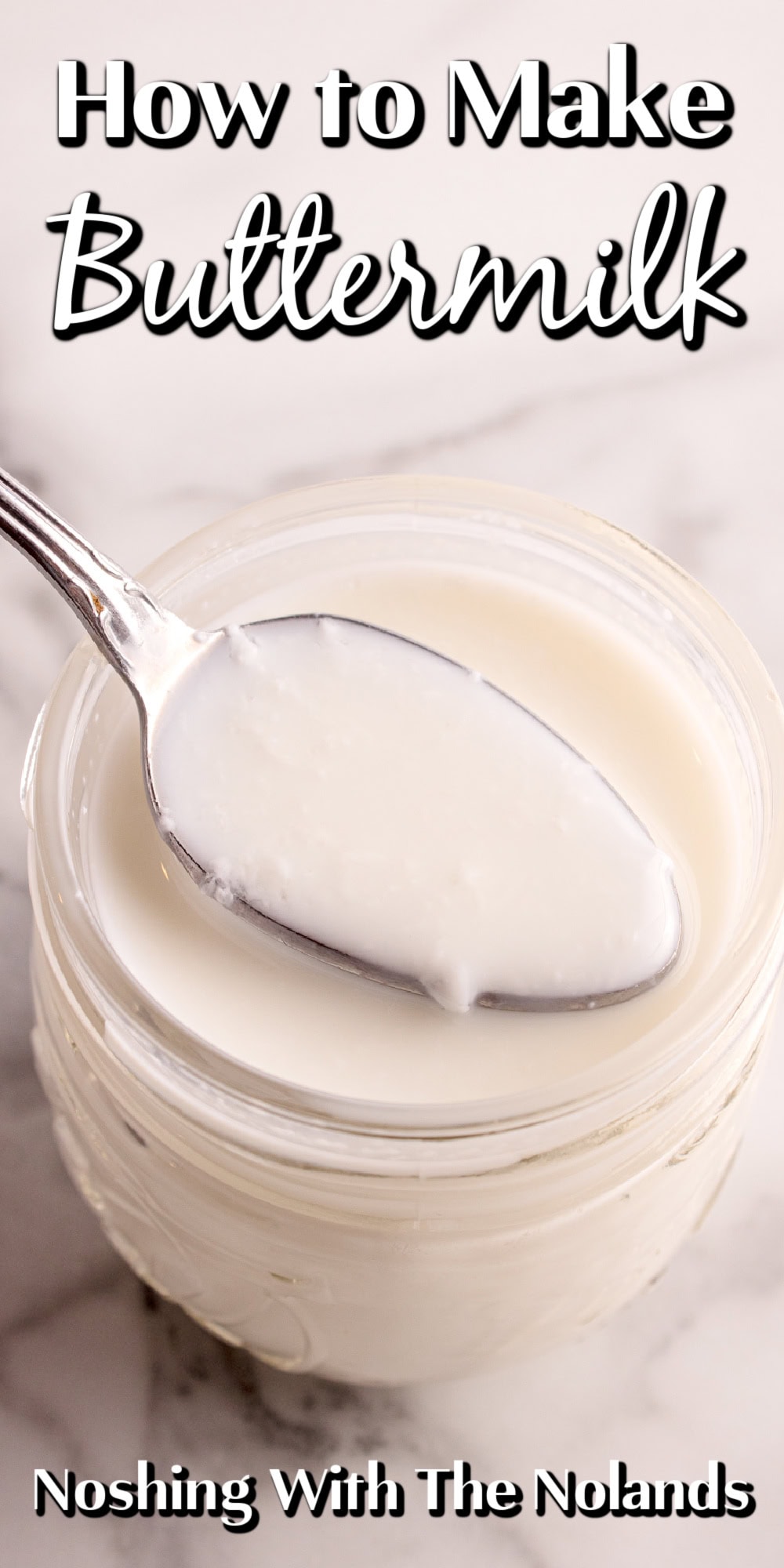
How to Make Buttermilk Recipes
Ingredients
- 1 cup whole milk room temperature
- 1 tablespoon lemon juice or white vinegar OR 1½ teaspoons cream of tartar
Instructions
Method 1: Lemon Juice or Vinegar
- Pour 1 cup of room temperature milk into a glass container or small bowl. Add 1 tablespoon of lemon juice or vinegar. Stir it gently to combine.
- Let the mixture sit at room temperature for 10–15 minutes. Tiny curds should form.
- Stir your homemade buttermilk gently before using in your recipe.
- Tip: If your milk is cold, warm it in the microwave for about 20–30 seconds to take the chill off before adding your acid. This helps it curdle properly and gives you the best texture for your buttermilk.
Method 2: Cream of Tartar
- Add 1½ teaspoons of cream of tartar to a bowl or jar, then pour in half of the 1 cup of milk. Stir it until the powder is dissolved, then add the remaining milk and mix it gently to combine.
- Let it sit for 10–15 minutes for the mixture to thicken slightly and develop a tangy flavor.
- Stir it gently before using it in your recipe.








Let us know what you think!
We’d love to know what you and your family think! Make sure to leave a review below and follow us on your favorite social network!